
Finding the right rum bottle manufacturer shapes how your brand looks on the shelf, how much you pay per case, and how fast you can get from a design file to a full container. Rum brands sit in an unusual spot: white rums want to look crystal clean, spiced and aged expressions want to look premium and amber, and craft distilleries need all of it at MOQs that don’t bankrupt a first production run. This guide walks through mold programs, glass color, closures, decoration and realistic minimums so you can brief a supplier with confidence.
Mold Programs: Stock, Semi-Custom or Full Custom
A rum bottle manufacturer typically offers three levels of customization, and picking the right one is the single biggest factor in your unit cost and timeline. Stock molds are shapes already in production — you customize the label, closure and decoration, but the glass silhouette itself is shared with other brands. Semi-custom programs modify an existing mold (a new shoulder, a debossed logo, a punt change) without commissioning tooling from scratch. Full custom means a unique bottle designed only for your brand, built on new tooling.
| Program | Typical MOQ | Lead Time | Best For |
|---|---|---|---|
| Stock mold | 1,000–3,000 units | 3–5 weeks | New brands testing a market |
| Semi-custom mold | 5,000–10,000 units | 8–10 weeks | Brands wanting a distinct silhouette without full tooling cost |
| Full custom mold | 20,000+ units | 12–16 weeks | Established brands with proven volume |
Most craft and independent rum brands start on a stock or semi-custom bottle, then move to a full custom mold once volume justifies the tooling investment. A good manufacturer will walk you through the trade-off rather than pushing you straight to a custom mold you don’t yet need.
Glass Color and Weight for Rum
Glass color communicates positioning before a customer reads the label. White and silver rums are almost always bottled in flint (clear) glass to show off the spirit’s clarity, while aged, dark and spiced rums frequently use amber or deep green glass to reinforce a premium, barrel-aged story and to cut down on light exposure during storage and transit. Bottle weight matters too: a heavier base and thicker punt read as premium on a back-bar shelf, while a lighter bottle helps brands control freight cost on high-volume export runs.
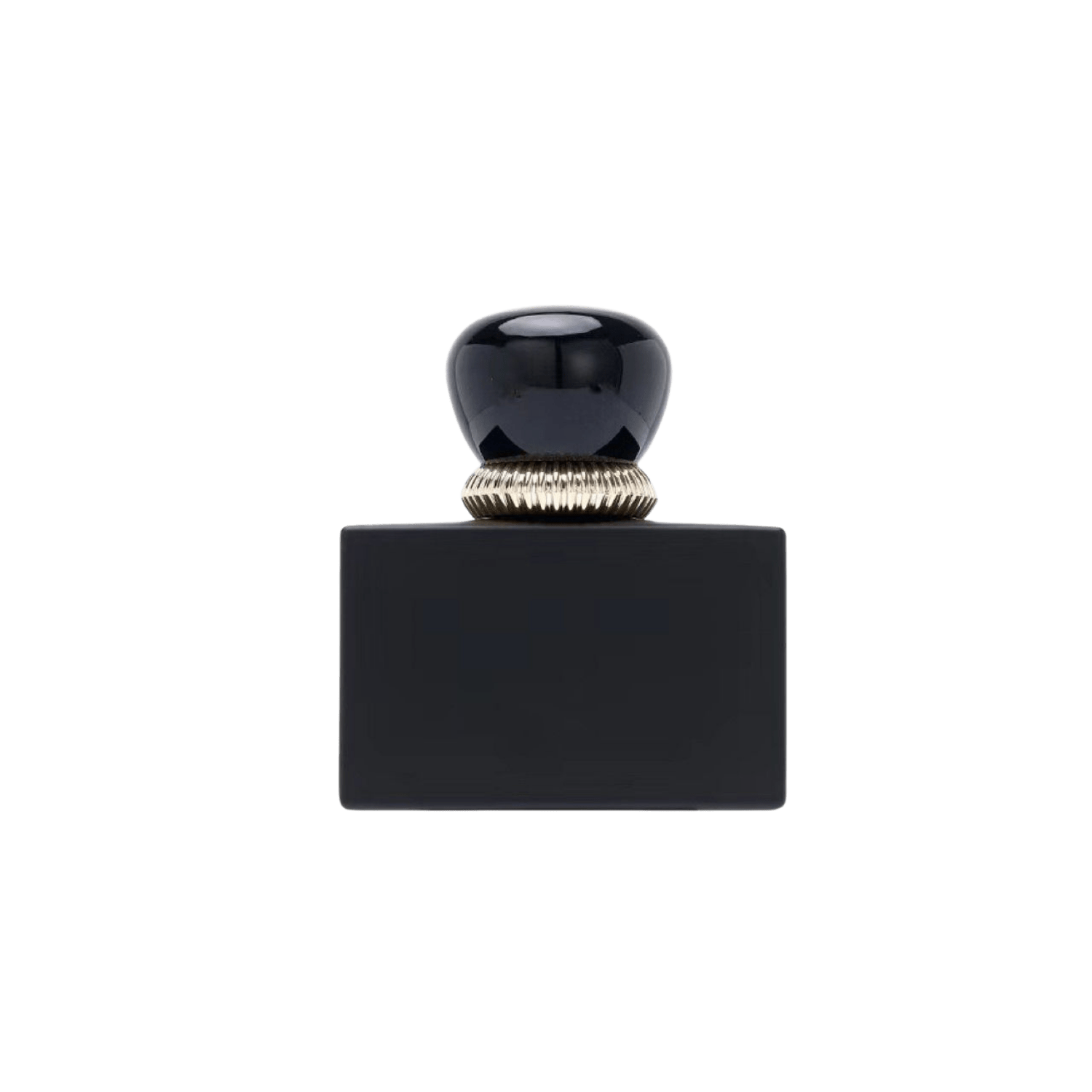
The mold-making and color-matching process is shared across GlassRock’s product lines — the زجاجة عطر GR_261 above, for example, shows the kind of bespoke silhouette and finish our tooling team can develop from a sketch, at MOQs comparable to a semi-custom spirits program. The same forming and mold engineering applies whether the end product is a fragrance bottle or a rum bottle.
Closures and Neck Finishes
Neck finish determines which closures physically fit your bottle, so it needs to be locked early in the design process. Premium aged rums often use natural or synthetic cork with a T-top or wood-capped closure to signal craftsmanship. Everyday and RTD-adjacent rum expressions more commonly use ROPP (roll-on pilfer-proof) aluminum screw caps for tamper evidence and easier retail handling. Spiced and flavored rums sometimes split the difference with a screw cap dressed up with shrink capsules or wax dipping.
- Cork + T-top: premium and aged rum, standard bar-back presentation
- ROPP screw cap: tamper-evident, faster line speeds, common for white and mixing rums
- Wax dip over screw cap: artisanal look for small-batch and spiced rum
Confirm your chosen closure supplier’s finish standard (typically GPI or a manufacturer-specific spec) with your glass supplier before finalizing molds — a finish that’s off by even half a millimeter can cause capping line rejects.
Decoration Techniques for Rum Brands
Decoration is where a rum brand differentiates itself on a shelf full of similarly shaped bottles. Silk screen printing puts opaque, durable color directly onto the glass — useful for a logo or nautical motif that needs to survive ice buckets and condensation. Frosting (acid-etch or sandblast) creates a matte, tactile finish that pairs well with a debossed or embossed brand mark. Embossing itself — raising or recessing a design into the glass during molding — lets a bottle be recognized by silhouette alone, even with the label removed.
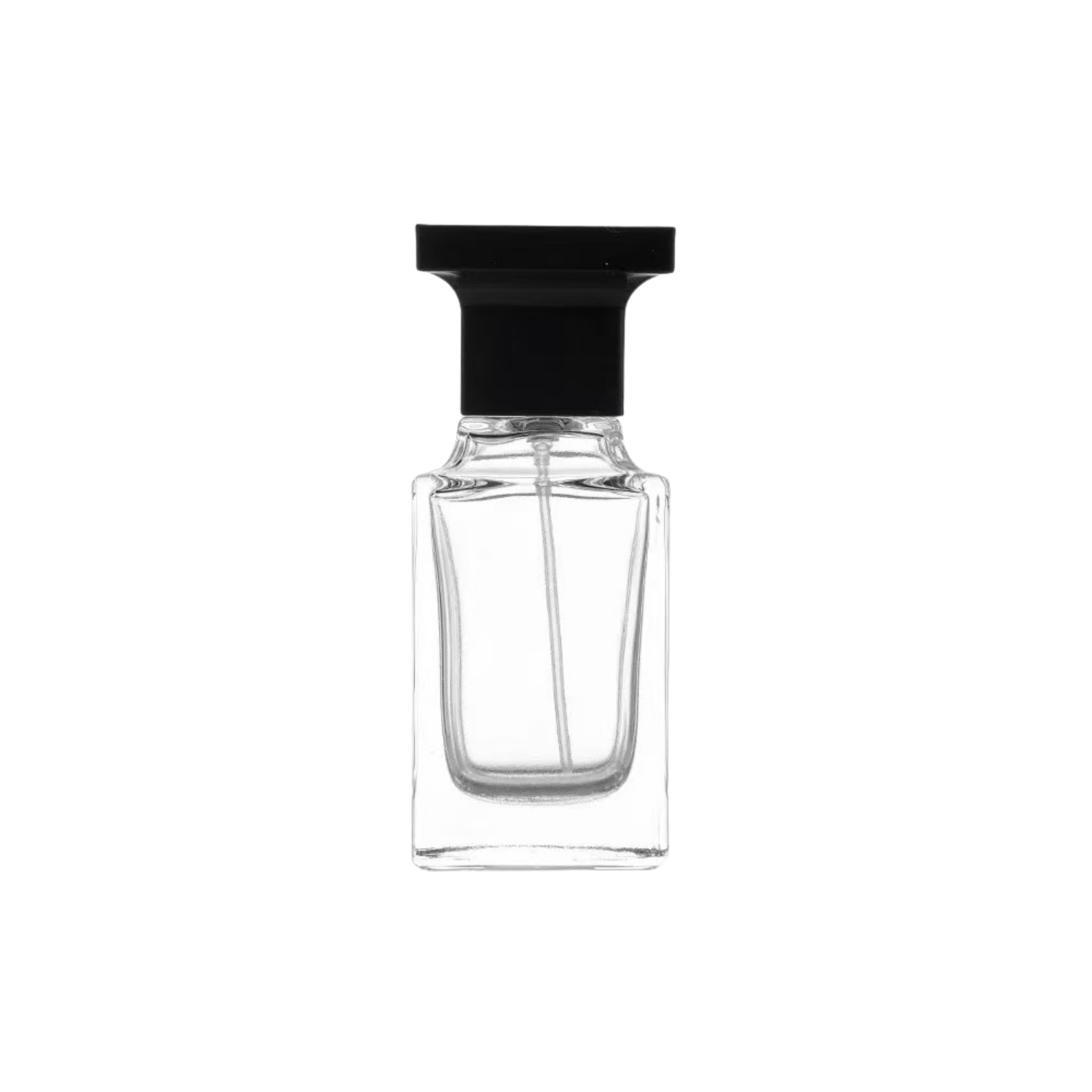
Combining two techniques — frosted glass with a silk-screened logo, for instance — is common for premium rum packaging and doesn’t require a new mold, only tooling changes at the decoration stage.
MOQs, Lead Times and Working With a Rum Bottle Manufacturer
Beyond the mold program itself, a few practical factors decide how smoothly a production run goes. Confirm whether your glass bottle manufacturer quotes MOQ per SKU or per color/finish combination — a white rum and a spiced rum in the same silhouette but different glass color can sometimes count as two separate MOQs. Ask for a pre-production sample before committing to a full run, and check whether the quoted lead time includes mold modification time or only production once tooling is ready.

Custom rum bottles are also easier to plan around when you share your annual volume projection upfront, even if it’s an estimate — it helps a manufacturer recommend the right program instead of over- or under-tooling for your first order.
الأسئلة الشائعة
What is the minimum order quantity for a custom rum bottle manufacturer?
MOQs typically start around 1,000–3,000 units on a stock mold, rise to 5,000–10,000 for a semi-custom mold, and 20,000 or more for a full custom mold built on new tooling.
What glass color is best for rum bottles?
White and silver rums are usually bottled in flint (clear) glass to show clarity, while aged, dark and spiced rums commonly use amber or green glass for a premium look and added light protection.
How long does it take to get custom rum bottles produced?
Stock molds can ship in 3–5 weeks, semi-custom mold modifications typically take 8–10 weeks, and full custom tooling usually runs 12–16 weeks before regular production begins.
Does a new rum brand need a full custom bottle mold?
Not usually. Most new and craft rum brands start with a stock or semi-custom mold to control cost and lead time, then move to full custom tooling once sales volume justifies the investment.
What closure works best for premium rum packaging?
Cork with a T-top or wood-capped closure is the standard for premium and aged rum presentation, while ROPP aluminum screw caps are more common for everyday and mixing rum expressions.
 English
 French
 Spanish
 Portuguese
 German
 Italian
 Japanese
 Korean
 Arabic
 Russian