
mL to Cups: Conversion Chart for US, Metric and Imperial Cups
To convert mL to US cups, divide the number of milliliters by 236.5882365. So 250 mL is 1.06 US cups, and 500 mL is 2.11 US cups. The catch: « cup » means four different volumes around the world — 236.59 mL in US recipes, 240 mL on US nutrition labels, 250 mL in metric countries and 284.13 mL in old imperial recipes. This guide gives the chart for each, and shows when the difference actually matters.
mL to cups conversion chart
| mL | US cups (236.59 mL) | Metric cups (250 mL) | Imperial cups (284.13 mL) | US fl oz |
|---|---|---|---|---|
| 50 mL | 0.21 | 0.20 | 0.18 | 1.69 |
| 100 mL | 0.42 | 0.40 | 0.35 | 3.38 |
| 125 mL | 0.53 | 0.50 | 0.44 | 4.23 |
| 150 mL | 0.63 | 0.60 | 0.53 | 5.07 |
| 200 mL | 0.85 | 0.80 | 0.70 | 6.76 |
| 236.59 mL | 1 | 0.95 | 0.83 | 8.00 |
| 250 mL | 1.06 | 1 | 0.88 | 8.45 |
| 300 mL | 1.27 | 1.20 | 1.06 | 10.14 |
| 350 mL | 1.48 | 1.40 | 1.23 | 11.83 |
| 473 mL | 2.00 | 1.89 | 1.66 | 15.99 |
| 500 mL | 2.11 | 2 | 1.76 | 16.91 |
| 750 mL | 3.17 | 3 | 2.64 | 25.36 |
| 1 000 mL | 4.23 | 4 | 3.52 | 33.81 |
Cups to mL: the reverse chart
| US cups | mL | US fl oz | Tablespoons |
|---|---|---|---|
| ¼ cup | 59.15 | 2 | 4 |
| ⅓ cup | 78.86 | 2.67 | 5⅓ |
| ½ cup | 118.29 | 4 | 8 |
| ⅔ cup | 157.73 | 5.33 | 10⅔ |
| ¾ cup | 177.44 | 6 | 12 |
| 1 cup | 236.59 | 8 | 16 |
| 1½ cups | 354.88 | 12 | 24 |
| 2 cups (1 pint) | 473.18 | 16 | 32 |
| 4 cups (1 quart) | 946.35 | 32 | 64 |
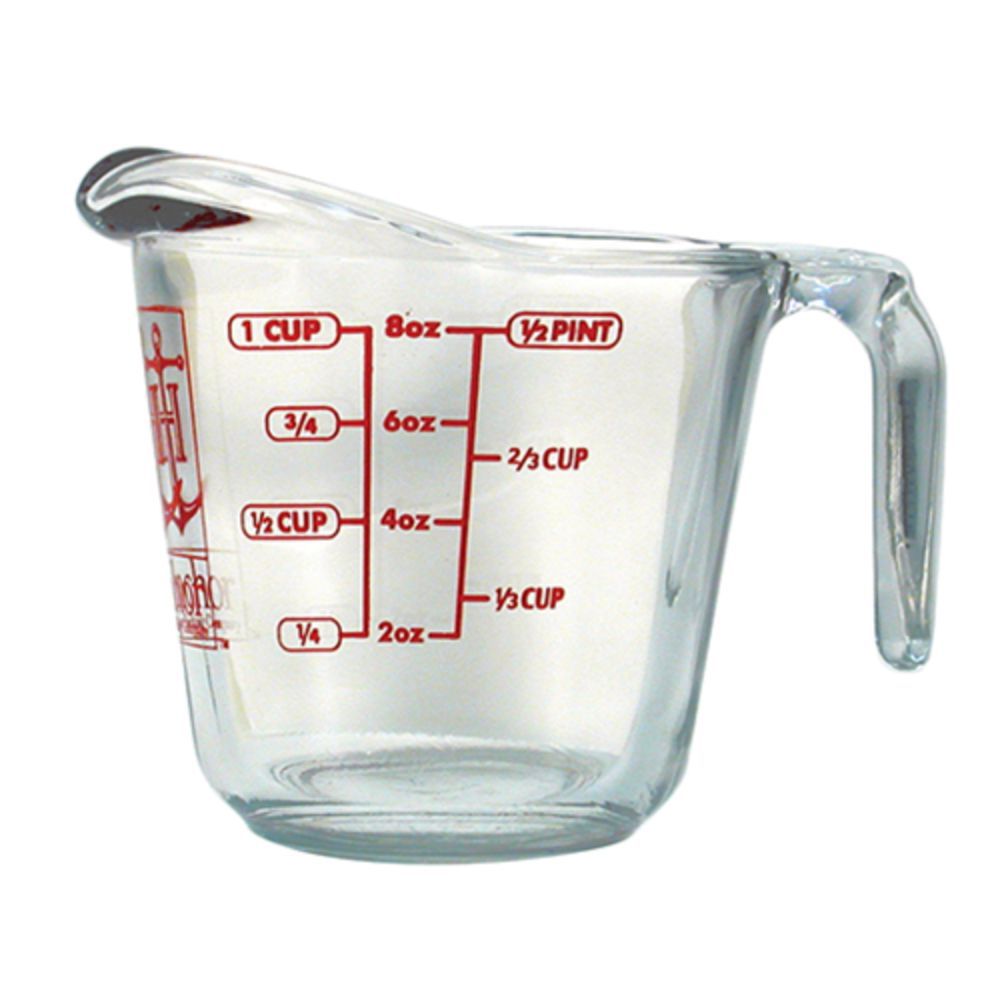
Need a value that isn’t listed, or a conversion to imperial ounces? Our mL to oz converter handles any figure with the exact factors.
Which cup does your recipe mean?
Four standards are in circulation, and recipes rarely say which one they use:
- US customary cup — 236.5882365 mL (8 US fl oz). The default in American cookbooks and blogs.
- US legal cup — 240 mL. Defined by the FDA for nutrition labeling only; you’ll see it on packaging, not in recipes.
- Metric cup — 250 mL. Standard in Australia, New Zealand and most metric-country recipe writing; Canada uses both.
- Imperial cup — 284.131 mL (10 imperial fl oz). Found in older British and Commonwealth cookbooks; rare today.
The practical rule: the gap between a US and a metric cup is about 5.6% — invisible in a soup, decisive in bread or pastry. If a recipe comes from Australia or the UK and the result feels dry, that 13 mL per cup is a likely culprit. When precision matters, weigh the ingredient instead.
Why 1 cup of flour isn’t 1 cup of water
A cup is a volume. Fill it with different ingredients and the weight changes completely: about 236 g of water, 200 g of granulated sugar, but only 125 g of all-purpose flour — and that flour figure swings by 20% depending on whether you scoop or spoon it in. This is why professional bakers weigh: 125 g of flour is always 125 g, while « one cup » is a negotiation. The same distinction between volume and weight applies to jar capacities and net weight declarations in packaging.
Cups and container capacities
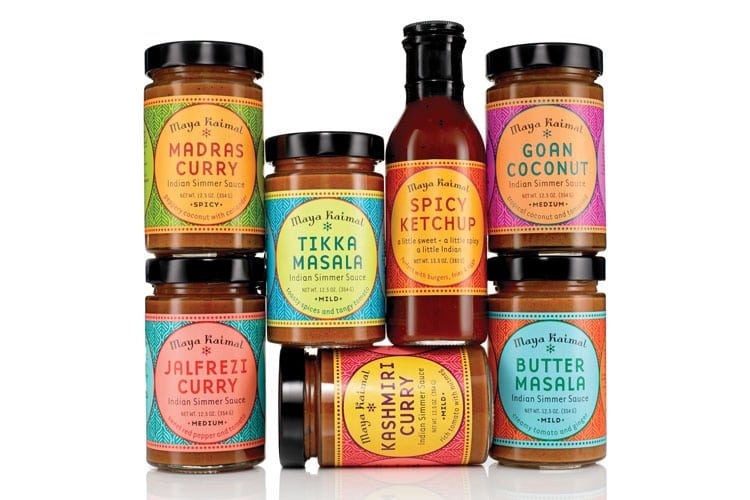
Container sizes rarely align with cups, because they are designed in metric or in fluid ounces. A 250 mL jar is 1.06 US cups; a 473 mL pint jar is exactly 2 cups; a 946 mL quart is exactly 4. The clean conversions come from the ounce side: 8 oz = 1 cup, 16 oz = 2 cups, 32 oz = 4 cups — which is why mason jar sizes map so neatly onto cup measures while metric jars don’t. For a full capacity comparison, see our glass jar sizes guide.
الأسئلة الشائعة
How many mL in a cup?
236.59 mL in a US customary cup, 240 mL in a US legal (labeling) cup, 250 mL in a metric cup and 284.13 mL in an imperial cup.
How many cups is 250 mL?
1.06 US cups — or exactly 1 metric cup. In practice most recipes treat 250 mL and 1 cup as interchangeable, an approximation that costs about 5.6%.
How many cups is 500 mL?
2.11 US cups, or exactly 2 metric cups. In fluid ounces, 500 mL is 16.91 US fl oz.
Is 240 mL a cup?
It is the US « legal » cup used by the FDA for nutrition labels. Recipes use the customary cup of 236.59 mL; the 3.4 mL difference is negligible in cooking.
How many mL is half a cup?
118.29 mL (US customary) or 125 mL if the recipe uses metric cups.
Is an Australian cup the same as an American cup?
No. An Australian metric cup is 250 mL; a US cup is 236.59 mL — about 5.6% smaller. Australian tablespoons also differ (20 mL versus 15 mL), which matters more than the cup gap in small quantities.
How many cups are in a liter?
4.23 US cups, or exactly 4 metric cups.

 English
 French
 Spanish
 Portuguese
 German
 Italian
 Japanese
 Korean
 Arabic
 Russian