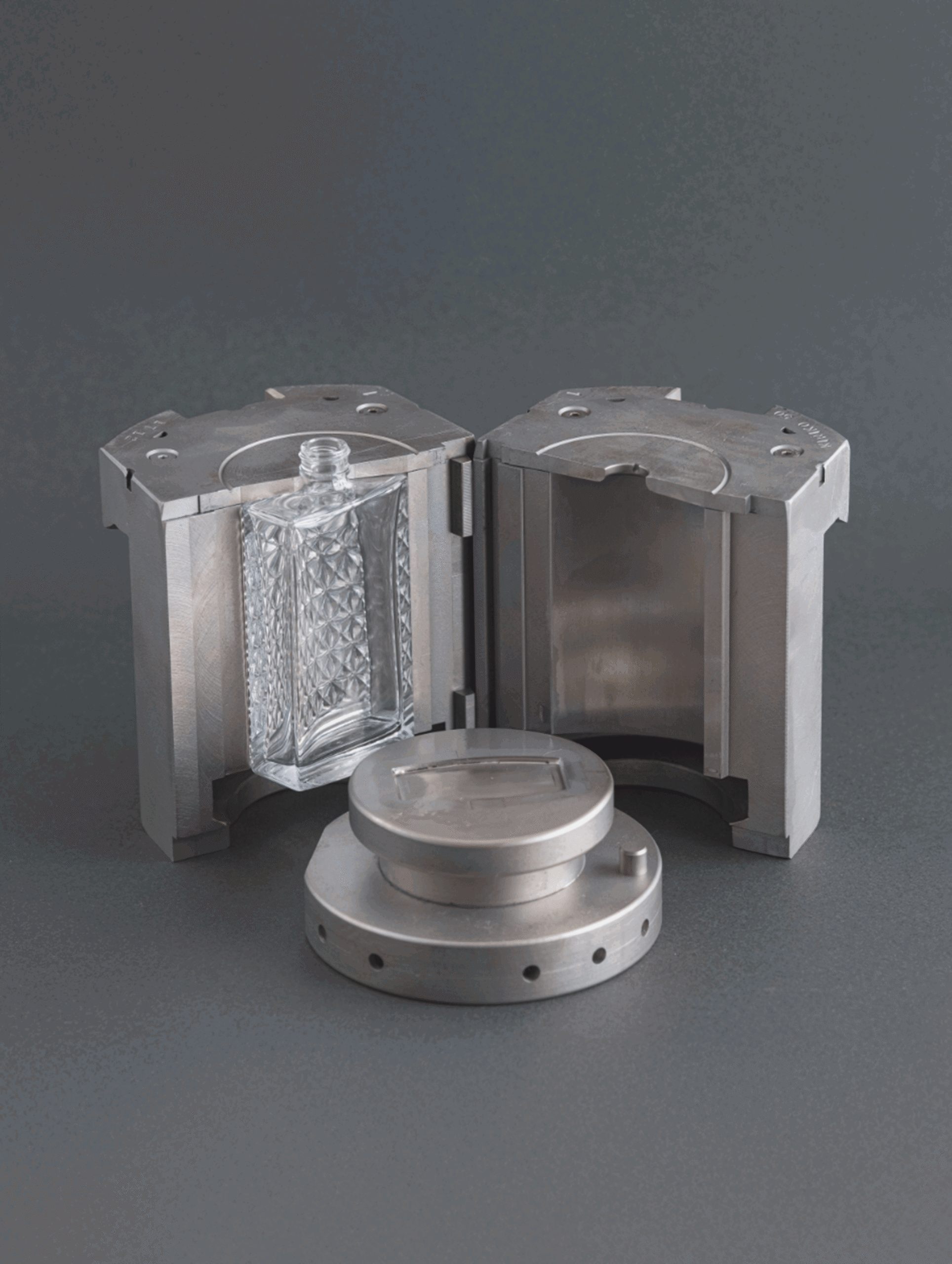
Behind every premium glass bottle lies a mold that shapes not only the product’s form but its surface quality, dimensional accuracy, and consistency. For wine, spirits, or cosmetics producers, understanding mold materials is essential to ensure packaging performance, aesthetics, and cost-efficiency. Our company works closely with manufacturers to align mold selection with product expectations and production realities.
Glass bottle molds operate under intense conditions. Molten glass, often over 1000°C, drops repeatedly into the mold cavity. Over time, heat, friction, and oxidation degrade the mold surface. Poor mold performance leads to visual defects, dimensional distortion, or even labeling issues. This is why mold material selection is key to product quality and operational longevity.

When it comes to aging wine, most discussions focus on grape variety, oak barrels, or storage conditions. Yet one critical element is often overlooked: the shape of the bottle itself. For wine producers and packaging buyers, understanding how bottle shape influences the aging process is more than tradition , it’s a strategic decision that can enhance quality, protect integrity, and elevate brand value. GlassRock works with wineries worldwide to match the right bottle geometry to each wine’s aging goals.
In the competitive world of spirits, packaging plays a pivotal role in setting a product apart from the rest. The bottle’s shape, design, and closure are just as important as the liquid inside, influencing both consumer perception and the overall brand image. In this case study, we examine five iconic liquor bottles and the thought process behind their designs.

When John Paul DeJoria and Martin Crowley launched Patrón Tequila in 1989, they needed to change public perception of tequila. The solution? A unique bottle design. Instead of following the traditional tall, slender design of the era, Patrón’s bottle was short, squat, and slope-shouldered, crafted from recycled glass and topped with a plump cork. This instantly recognizable bottle became an emblem of luxury and quality, helping to elevate the brand’s premium status.
For rum producers, The role of glass bottles in preserving rum is maintaining product quality from distillation to consumption is essential. A key factor in ensuring that rum maintains its flavor, aroma, and visual appeal over time is the packaging. Glass bottles are the gold standard for storing rum. But how does glass help preserve the rum’s integrity, and why is it a better choice than other packaging materials?
In the era of green branding and sustainability pledges, glass has earned a shiny spot in the world of cosmetic packaging. It’s marketed as eco-friendly, pure, and infinitely recyclable. But how accurate is that narrative? Is glass really the most sustainable option, or is it just the prettiest?
Let’s look beyond the surface.
Walk into any high-end skincare boutique, and one detail quickly stands out: most of the bottles are glass. Whether it’s a facial serum, an essential oil blend, or a night elixir, glass packaging dominates the luxury segment. While the look is undeniably elegant, there’s more to this choice than meets the eye.
Glass is a brand statement more than merely a choice for packaging. For skincare companies at the top of the market, it checks multiple boxes: quality, protection, aesthetics, and sustainability.