BLOG

The glass bottle industry is experiencing a powerful transformation as artificial intelligence (AI) integrates deeper into every stage of production. From improved efficiency and precision to smarter designs and more sustainable processes, AI is reshaping how manufacturers approach both day-to-day operations and long-term strategy. At the center of this evolution, GlassRock is carefully and proactively positioning itself to embrace these innovations while staying true to its core values of quality and craftsmanship.

Increasing Efficiency Through Smart Systems

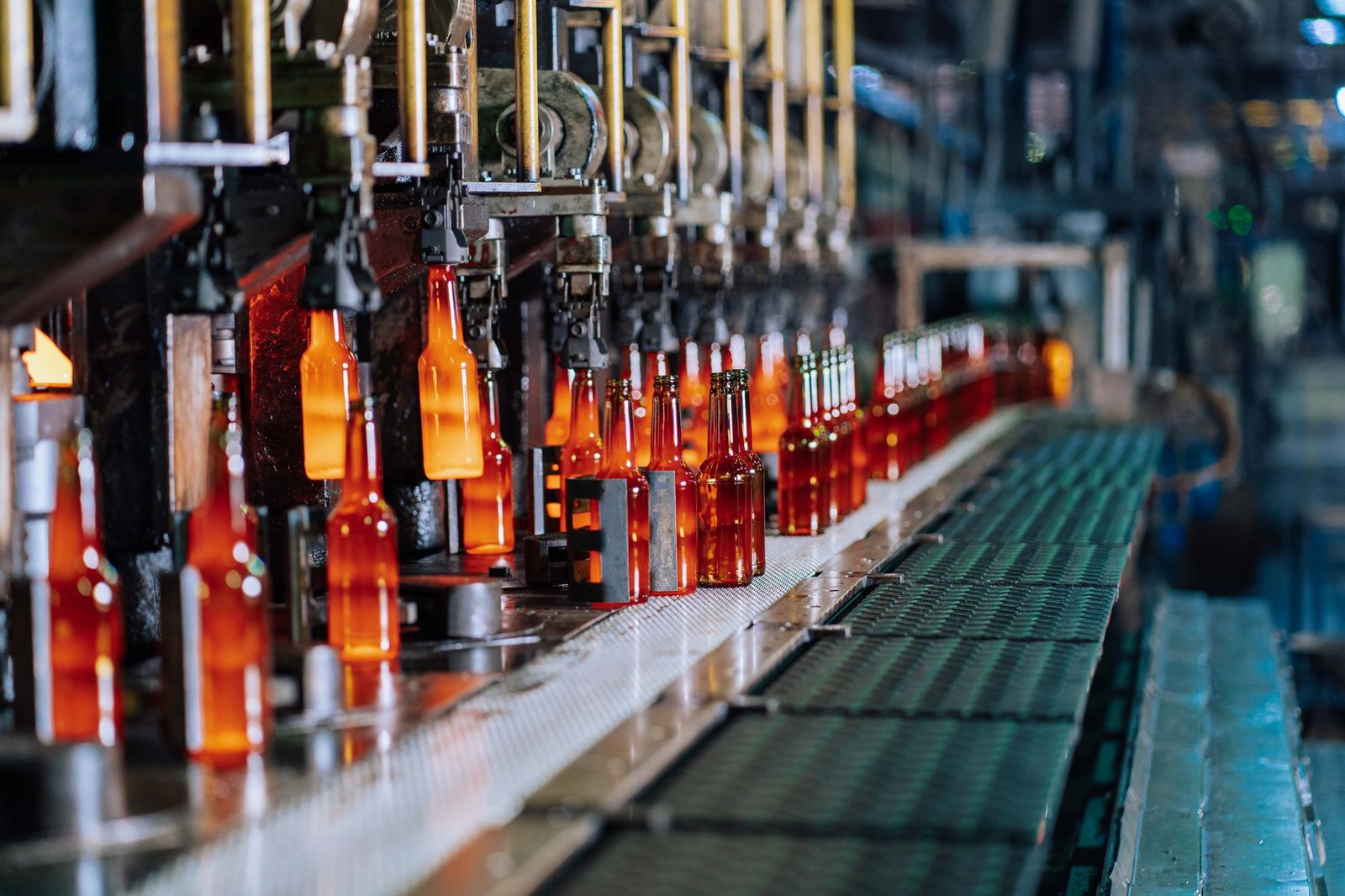
Efficiency has always been central to glass bottle manufacturing, and AI is unlocking new ways to optimize production. We are exploring AI-powered systems that monitor key variables, such as furnace temperature, forming pressure, and glass viscosity, in real time. These tools help fine-tune operations automatically, allowing for smoother workflows and consistent output.

Predictive maintenance is another area where our company sees strong potential. With machine learning algorithms tracking equipment performance, the company can anticipate wear and tear before it leads to costly breakdowns. This not only ensures continuous operation, but also extends the life of high-value machinery, reducing long-term costs and improving productivity.

Olive oil is a kitchen essential, because of its health benefits and its rich flavor. But what many people overlook is how crucial proper storage is to maintain the oil’s quality over time. Whether you’re a home cook or a brand in the oil industry, the container you choose can make a real difference in flavor, freshness, and shelf life.

In this article, we break down the key container options for olive oil storage and explore why glass remains one of the most trusted materials in the industry.

Why Storage Matters: Olive Oil Doesn’t Spoil, But It Does Age

Unlike perishable items that rot or mold, olive oil goes through a process called oxidation. This natural aging causes the oil to lose its aroma, flavor, and nutritional potency. While it won’t become unsafe to consume, it will lose what makes it extra virgin, the antioxidants, polyphenols, and taste profile that define high-quality oils.

Exposure to light, heat, air, and certain materials can accelerate this process. That’s why the choice of container, and where it’s kept, are key to slowing oxidation and preserving freshness.

When it comes to glass packaging, not all “clear” glass is created equal. The clarity, color, and purity of flint glass vary widely depending on the raw materials used and the production process. For brands in the liquor, wine, or food industries, understanding the different types of white (or “flint”) glass is key to choosing the right packaging quality for the product and market positioning.

In this article, we break down the three main grades of flint glass used in bottle manufacturing and explain where each type fits in the packaging world.

As trade tensions and tariff barriers continue to reshape global commerce, premium spirits producers are reevaluating their supply chains. Among the most notable cases is Hennessy, the iconic Cognac brand, which is reportedly exploring the possibility of bottling directly in China. This move marks a significant departure from the traditional model of bottling exclusively in France and reflects a broader trend toward regionalized production strategies in the face of rising costs.

Reinventado

Desde as antigas tradições cervejeiras até à próspera cultura atual da cerveja artesanal, o percurso da cerveja está profundamente ligado à evolução da sua embalagem. Embora as técnicas de fabrico de cerveja tenham avançado ao longo dos séculos, há uma constante que se mantém: o vidro continua a ser o material mais fiável para engarrafar cerveja. E hoje, empresas como a GlassRock estão a ajudar a remodelar o futuro das embalagens de cerveja com soluções de vidro mais inteligentes, mais fortes e mais sustentáveis.


Como a cerveja encontrou a sua garrafa

Embora a cerveja seja anterior a muitas civilizações modernas, só séculos mais tarde é que passou a ser armazenada em garrafas. Os primeiros fabricantes de cerveja usavam barris e grés, mas no final de 1600, o vidro começou a surgir como o recipiente de eleição. As primeiras garrafas de vidro tinham dificuldade em suportar a pressão dos gases de fermentação, partindo-se frequentemente com o esforço.

Eventualmente, foi introduzida a agora icónica garrafa longneck, uma forma que ajudou a distribuir a pressão interna de forma mais uniforme e a evitar a quebra. Esta simples inovação de design continua a ser um marco na indústria da cerveja. Atualmente, a GlassRock dá continuidade a este legado, concebendo garrafas de cerveja que combinam durabilidade com flexibilidade de design, oferecendo formas e acabamentos personalizados sem comprometer o desempenho.


Porque é que o vidro supera as alternativas

O vidro tornou-se popular por uma razão fundamental: mantém a cerveja fresca durante mais tempo. Mas a utilização precoce do vidro transparente deu origem a um problema inesperado: a cerveja armazenada à luz do sol adquiria um aroma desagradável e desnatado. Atualmente, sabemos que este problema era causado pelos raios UV que alteravam os compostos do lúpulo.

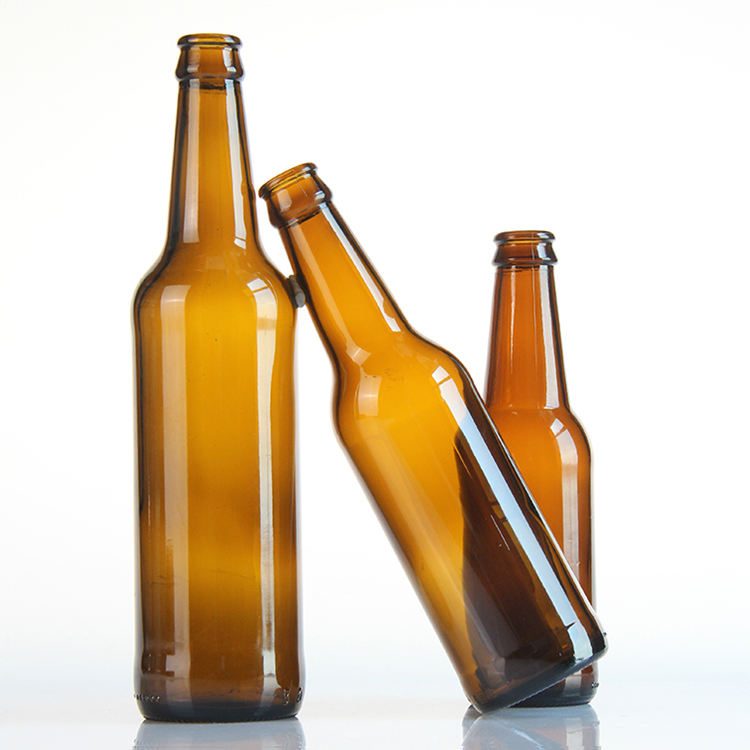
A solução? O vidro âmbar (castanho), que filtra a maior parte da luz UV nociva e preserva o sabor. Mais tarde, as garrafas verdes ganharam popularidade como uma alternativa elegante, especialmente na Europa, enquanto os fabricantes de cerveja actuais também podem utilizar vidro azul para tornar a garrafa mais marcante.

A GlassRock produz todas as três variações, âmbar, verde e azul, ajudando os fabricantes de cerveja a combinar a sua identidade de marca, garantindo simultaneamente a qualidade do produto.

Follow us on social media: