
Choosing the right olive oil glass bottles shapes the shelf appeal, shipping cost, and shelf life of every batch you export. Amber and antique green glass block the UV light that turns extra virgin olive oil rancid, while the bottle shape you pick — Dorica, Marasca, or a modern square panel — signals quality before a buyer ever opens the cap. This guide walks packaging buyers and small-brand founders through the shapes, custom molds, closures, and export requirements that matter when sourcing olive oil bottles at scale.
Why Glass Is the Standard for Olive Oil Packaging
Extra virgin olive oil degrades when exposed to UV and visible light, which breaks down chlorophyll and accelerates oxidation — the chemical process behind rancid flavor and lost polyphenols. Amber and antique green olive oil glass bottles filter out most of the damaging wavelengths, which is why nearly every quality-focused producer packages in tinted glass rather than clear glass or plastic.
Glass is also inert: it will not leach compounds into the oil or pick up plastic taste over a long shelf life, and it is fully recyclable, which matters to retailers and consumers evaluating a brand’s sustainability claims. For export specifically, glass also holds up better than PET under the temperature swings of ocean freight and long-haul trucking.
Popular Olive Oil Glass Bottles: Shapes and Sizes
Three shapes cover most of the market. Dorica bottles are the traditional Italian round-shouldered shape most consumers associate with olive oil. Marasca bottles have a narrower waist and a more boutique silhouette, popular with small-batch and gift-format brands. Square-panel bottles maximize pallet density and give label designers flat surfaces for large-format branding.
| Shape | Typical capacities | Best for |
|---|---|---|
| Dorica | 250ml – 1000ml | Retail shelf, traditional branding |
| Marasca | 100ml – 750ml | Gift sets, premium small-batch oils |
| Square panel | 250ml – 1000ml | Dense palletization, large label area |
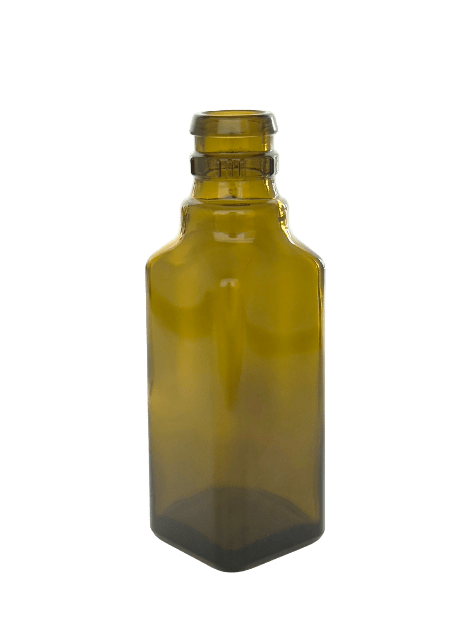
Smaller formats like the Mini Antique Green Olive Oil Bottle 100ml work well for tasting sets, gift boxes, and hospitality-channel sampling, where a compact antique green bottle keeps the product protected without adding shipping weight.
Custom Olive Oil Packaging: Molds, MOQs and Private Label
Stock molds are the fastest and lowest-cost route into custom olive oil packaging: you select an existing shape and capacity, then apply your own label and closure. This is usually the right starting point for a new brand testing a market before committing to tooling.
Once volumes justify it, a private mold lets you own a distinctive silhouette — a proprietary shoulder profile, embossed logo, or a nonstandard capacity — which is harder for competitors to copy off the shelf. Private molds carry a one-time tooling cost and typically require a higher minimum order quantity per production run than a stock shape, so it’s worth confirming both numbers with your supplier before committing to a design.
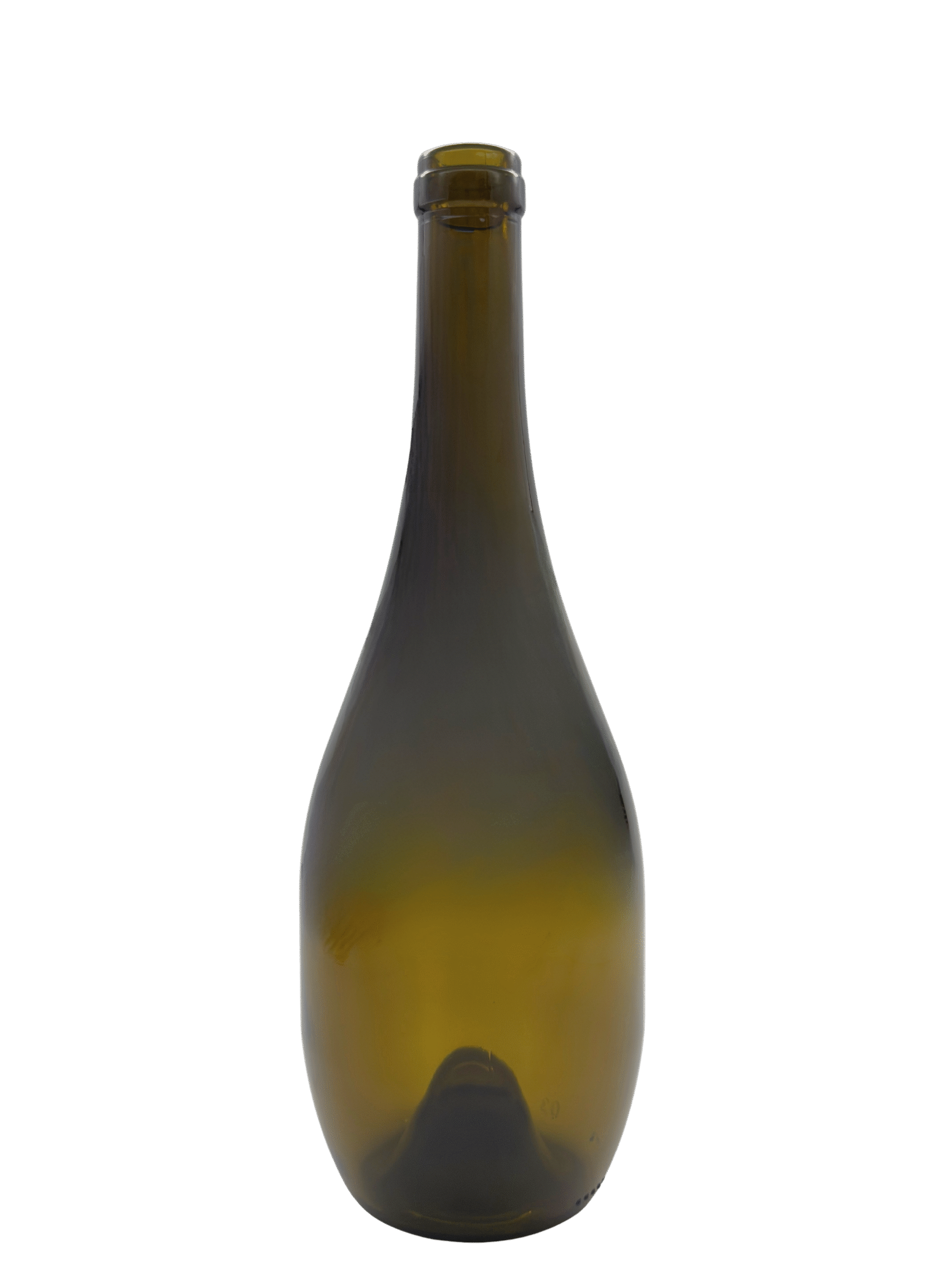
A bottle like the 750ml Antique Green Customized Bottle #480 shows how a custom antique green mold can still ship at accessible volumes once the tooling is in place, giving mid-size producers a distinctive look without a full bespoke program.
Closures and Finishing Options
Closure choice affects both shelf presentation and how well the oil is protected once opened. Common options for olive oil bottles include:
- Pourer inserts with a screw cap — control the flow and reduce oxidation once opened; the standard for retail.
- Natural or synthetic corks — used on premium and gift-format bottles for a traditional look, often paired with a capsule or wax seal.
- Tamper-evident screw caps — increasingly required by retailers and some export markets as a food-safety expectation.
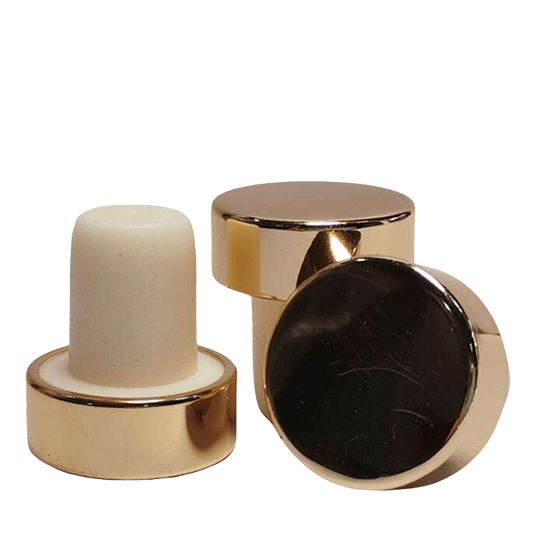
Cork remains a popular finishing choice for boutique and gift-set olive oils, and a supplier that also stocks components like the Wine Bottle Cork can simplify sourcing by pairing the bottle and closure in one order rather than coordinating two separate vendors.
Exporting Olive Oil in Glass: Compliance and Logistics
Olive oil is a food product, so export shipments need to satisfy both packaging and food-contact requirements in the destination market, in addition to standard customs paperwork. Buyers should confirm with their supplier that the glass and any coatings are certified food-contact safe for the destination market, and that labeling space accounts for required nutritional and origin declarations.
On the logistics side, glass adds weight and breakage risk that plastic does not, so freight terms matter more than they might for other packaging categories. Clarify whether your supplier quotes FOB (you arrange and insure ocean freight from the port of origin) or CIF (the supplier arranges freight and insurance to your destination port) and get a landed-cost estimate before comparing quotes across suppliers — a lower FOB price can still work out more expensive once freight, insurance, and duties are added.
Palletization also matters for breakage rates: square-panel and Dorica shapes typically stack more efficiently and with fewer void gaps than round bottles, which reduces movement and breakage over a multi-week ocean transit.
Choosing an Olive Oil Glass Bottle Supplier
A reliable Dorica bottles supplier — or one offering Marasca or square-panel shapes — should be able to answer these questions clearly before you place a first order:
| Question | Why it matters |
|---|---|
| What MOQ applies to stock vs. private molds? | Determines your minimum cash commitment and lead time to first shipment |
| Is the glass certified food-contact safe? | Required for most export destinations and retailer onboarding |
| What closure and capsule options are compatible? | Avoids a mismatched neck finish discovered after the bottles arrive |
| Do they quote FOB or CIF, and what’s the landed cost? | Lets you compare suppliers on true delivered cost, not just unit price |
| What’s the typical breakage/claim rate on ocean freight? | A track record here predicts how much of your order actually arrives usable |
A supplier that can walk through each of these points without hedging is usually one that ships olive oil packaging regularly, rather than treating it as a one-off order.
ЧАСТО ЗАДАВАЕМЫЕ ВОПРОСЫ
What is a Dorica bottle?
A Dorica bottle is the classic round-shouldered glass shape most associated with Italian olive oil, typically available in capacities from 250ml to 1000ml in clear, amber, or antique green glass.
What color glass is best for olive oil bottles?
Amber and antique green glass block most of the UV and visible light that causes oxidation and rancidity, making them the preferred choice over clear glass for extra virgin olive oil.
What is a typical MOQ for custom olive oil glass bottles?
MOQs vary by supplier and whether you use a stock mold or a private mold; stock shapes generally require a lower minimum order than a custom mold, which carries an upfront tooling cost tied to a higher production run.
Can I get private label olive oil packaging from a supplier?
Yes. Most glass packaging suppliers offer private label programs on stock bottle shapes, and private molds for brands that want a proprietary silhouette once volumes justify the tooling investment.
Do olive oil glass bottles need special certification for export?
Export shipments generally need food-contact safety certification for the glass and any coatings, plus compliance with the destination market’s labeling requirements for nutritional and origin information.
Which closure works best for olive oil bottles?
A pourer insert with a tamper-evident screw cap is the standard for retail olive oil, while natural cork closures remain popular for premium and gift-format bottles.
 English
 French
 Spanish
 Portuguese
 German
 Italian
 Japanese
 Korean
 Arabic
 Russian