
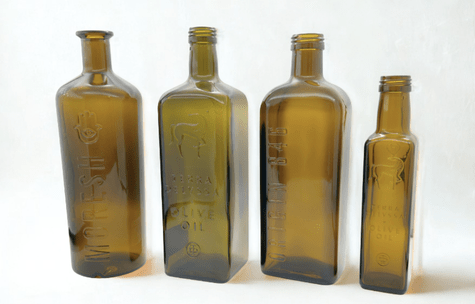
Olive oil is a kitchen essential, because of its health benefits and its rich flavor. But what many people overlook is how crucial proper storage is to maintain the oil’s quality over time. Whether you’re a home cook or a brand in the oil industry, the container you choose can make a real difference in flavor, freshness, and shelf life.
In this article, we break down the key container options for olive oil storage and explore why glass remains one of the most trusted materials in the industry.
Unlike perishable items that rot or mold, olive oil goes through a process called oxidation. This natural aging causes the oil to lose its aroma, flavor, and nutritional potency. While it won’t become unsafe to consume, it will lose what makes it extra virgin, the antioxidants, polyphenols, and taste profile that define high-quality oils.
Exposure to light, heat, air, and certain materials can accelerate this process. That’s why the choice of container, and where it’s kept, are key to slowing oxidation and preserving freshness.
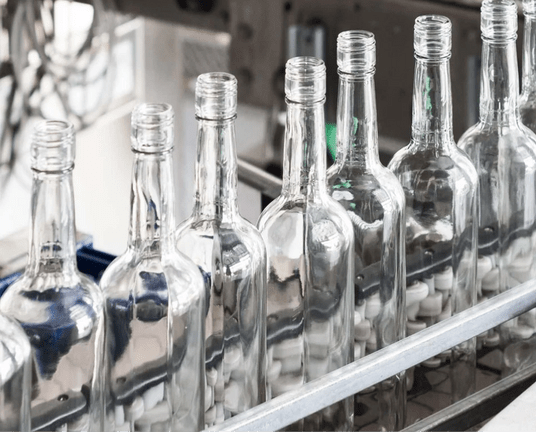
When it comes to glass packaging, not all “clear” glass is created equal. The clarity, color, and purity of flint glass vary widely depending on the raw materials used and the production process. For brands in the liquor, wine, or food industries, understanding the different types of white (or “flint”) glass is key to choosing the right packaging quality for the product and market positioning.
In this article, we break down the three main grades of flint glass used in bottle manufacturing and explain where each type fits in the packaging world.

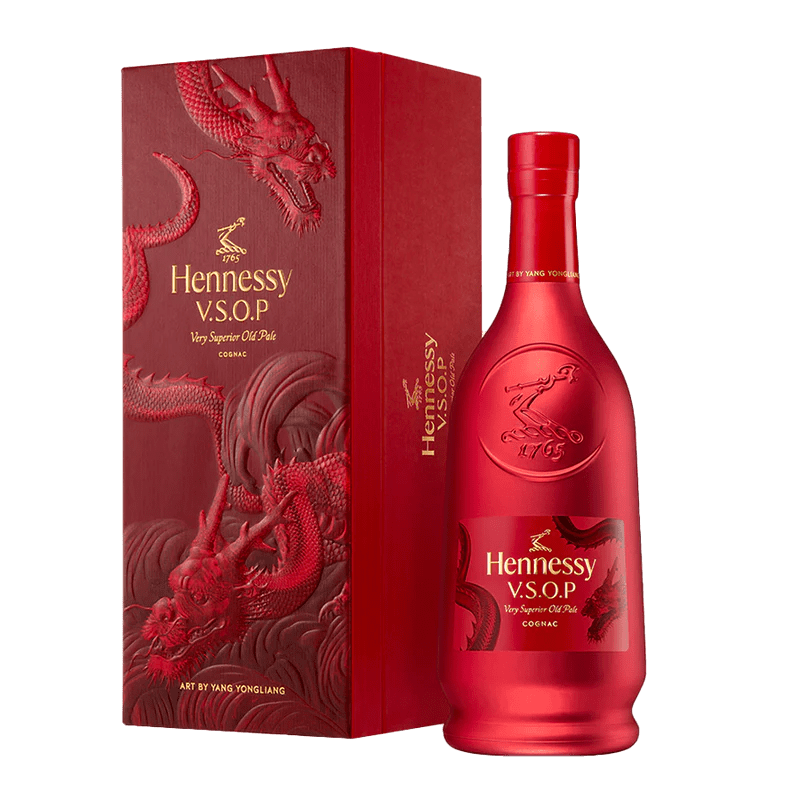
As trade tensions and tariff barriers continue to reshape global commerce, premium spirits producers are reevaluating their supply chains. Among the most notable cases is Hennessy, the iconic Cognac brand, which is reportedly exploring the possibility of bottling directly in China. This move marks a significant departure from the traditional model of bottling exclusively in France and reflects a broader trend toward regionalized production strategies in the face of rising costs.


From ancient brewing traditions to today’s thriving craft beer culture, the journey of beer is deeply tied to the evolution of its packaging. While brewing techniques have advanced over the centuries, one constant remains: glass is still the most trusted material for bottling beer. And today, companies like GlassRock are helping reshape the future of beer packaging with smarter, stronger, and more sustainable glass solutions.
Though beer predates many modern civilizations, it wasn’t until centuries later that it was stored in bottles. Early brewers relied on barrels and stoneware, but by the late 1600s, glass began to emerge as a vessel of choice. The shift didn’t come without challenges, early glass bottles struggled to withstand the pressure from fermentation gases, often shattering under the strain.
Eventually, the now-iconic longneck bottle was introduced, a shape that helped distribute internal pressure more evenly and prevent breakage. This simple design innovation remains a staple in the beer industry. Today, GlassRock continues this legacy by engineering beer bottles that combine durability with design flexibility, offering custom shapes and finishes without compromising on performance.
Glass became popular for one key reason: it keeps beer fresher, longer. But early use of clear glass led to an unexpected problem , beer stored in sunlight would take on a foul, skunky aroma. We now know this was caused by UV rays altering the compounds in hops.
The solution? Amber (brown) glass, which filters out most harmful UV light and preserves the flavor. Green bottles later gained popularity as a stylish alternative, especially in Europe, while today’s brewers can also use blue glass to make the bottle more outstanding.
GlassRock produces all three variations , amber, green, and blue, helping brewers match their brand identity while ensuring product quality.