BLOG

As sustainability becomes a growing priority, the beer industry is revisiting returnable beer bottles as an eco-friendly packaging solution. This article explores the costs and sustainability benefits of using returnable bottles and their role in shaping future trends.

What Are Returnable Beer Bottles?

Returnable beer bottles are glass bottles that can be reused multiple times. After consumption, the empty bottles are returned, cleaned, and refilled. While they were common in the past, they are now gaining traction as breweries look to reduce waste and lower production costs.

Why Are Returnable Bottles So Durable?

A key reason returnable beer bottles are suitable for reuse lies in their glass thickness. These bottles are made with significantly thicker and stronger walls than one-way bottles, allowing them to withstand repeated washing, handling, and filling without breaking or degrading. This enhanced durability is what makes them viable for commercial return systems.

At GlassRock, we provide beer bottles that can be returned with the appropriate thickness and strength required for repeated use while maintaining aesthetic appeal and brand identity. Our solutions balance performance with sustainability, making it easier for breweries to implement returnable programs without compromising on quality or design.

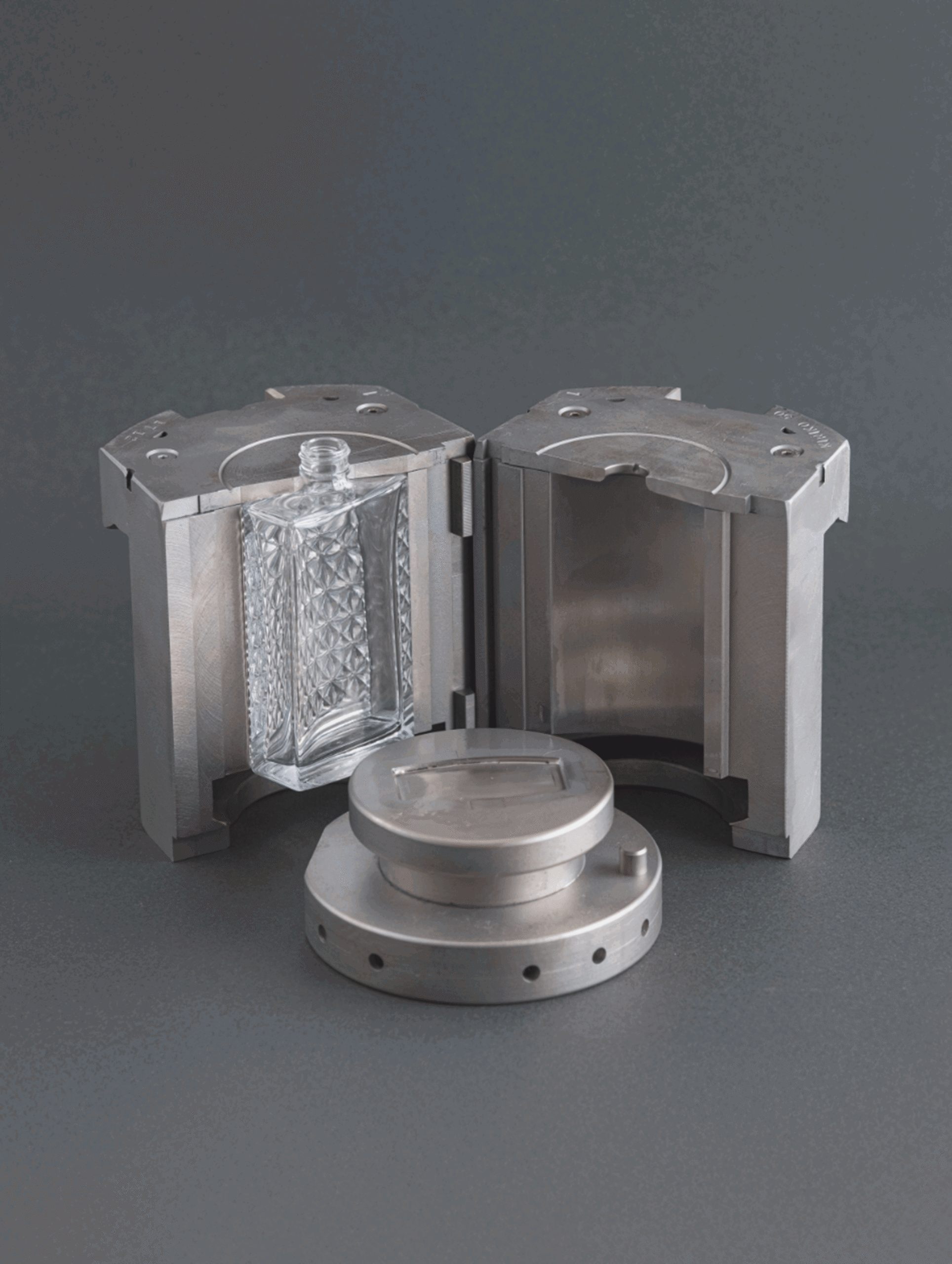
Using AI to Realize Liquor Bottle Glass Design Concepts: From Imagination to Industrial Feasibility

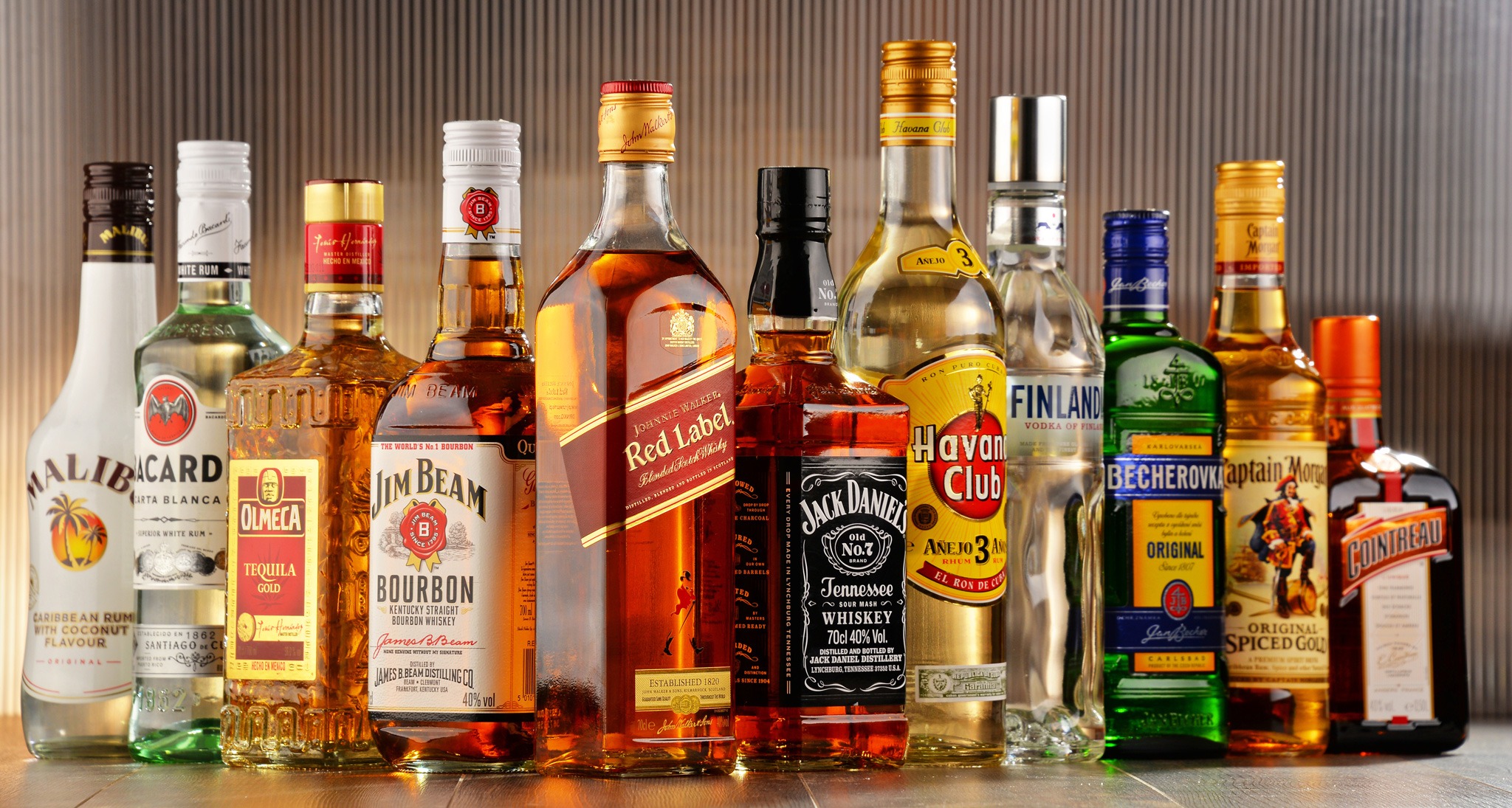
In today’s premium spirits market, a bottle is more than a container ,  it’s a signature of the brand. A compelling design can capture attention, tell a story, and set a product apart at first glance. With the growing demand for distinct, high-impact packaging, artificial intelligence (AI) is emerging as a powerful tool to transform how glass bottle concepts are imagined and brought to life.

Rather than replacing human creativity, AI is enhancing it ,  making it easier to translate bold design ideas into technical reality, and reducing the gap between inspiration and industrial feasibility.

The glass bottle industry is experiencing a powerful transformation as artificial intelligence (AI) integrates deeper into every stage of production. From improved efficiency and precision to smarter designs and more sustainable processes, AI is reshaping how manufacturers approach both day-to-day operations and long-term strategy. At the center of this evolution, GlassRock is carefully and proactively positioning itself to embrace these innovations while staying true to its core values of quality and craftsmanship.

Increasing Efficiency Through Smart Systems

Efficiency has always been central to glass bottle manufacturing, and AI is unlocking new ways to optimize production. We are exploring AI-powered systems that monitor key variables, such as furnace temperature, forming pressure, and glass viscosity, in real time. These tools help fine-tune operations automatically, allowing for smoother workflows and consistent output.

Predictive maintenance is another area where our company sees strong potential. With machine learning algorithms tracking equipment performance, the company can anticipate wear and tear before it leads to costly breakdowns. This not only ensures continuous operation, but also extends the life of high-value machinery, reducing long-term costs and improving productivity.

Olive oil is a kitchen essential, because of its health benefits and its rich flavor. But what many people overlook is how crucial proper storage is to maintain the oil’s quality over time. Whether you’re a home cook or a brand in the oil industry, the container you choose can make a real difference in flavor, freshness, and shelf life.

In this article, we break down the key container options for olive oil storage and explore why glass remains one of the most trusted materials in the industry.

Why Storage Matters: Olive Oil Doesn’t Spoil, But It Does Age

Unlike perishable items that rot or mold, olive oil goes through a process called oxidation. This natural aging causes the oil to lose its aroma, flavor, and nutritional potency. While it won’t become unsafe to consume, it will lose what makes it extra virgin, the antioxidants, polyphenols, and taste profile that define high-quality oils.

Exposure to light, heat, air, and certain materials can accelerate this process. That’s why the choice of container, and where it’s kept, are key to slowing oxidation and preserving freshness.

When it comes to glass packaging, not all “clear” glass is created equal. The clarity, color, and purity of flint glass vary widely depending on the raw materials used and the production process. For brands in the liquor, wine, or food industries, understanding the different types of white (or “flint”) glass is key to choosing the right packaging quality for the product and market positioning.

In this article, we break down the three main grades of flint glass used in bottle manufacturing and explain where each type fits in the packaging world.

As trade tensions and tariff barriers continue to reshape global commerce, premium spirits producers are reevaluating their supply chains. Among the most notable cases is Hennessy, the iconic Cognac brand, which is reportedly exploring the possibility of bottling directly in China. This move marks a significant departure from the traditional model of bottling exclusively in France and reflects a broader trend toward regionalized production strategies in the face of rising costs.

Follow us on social media: