
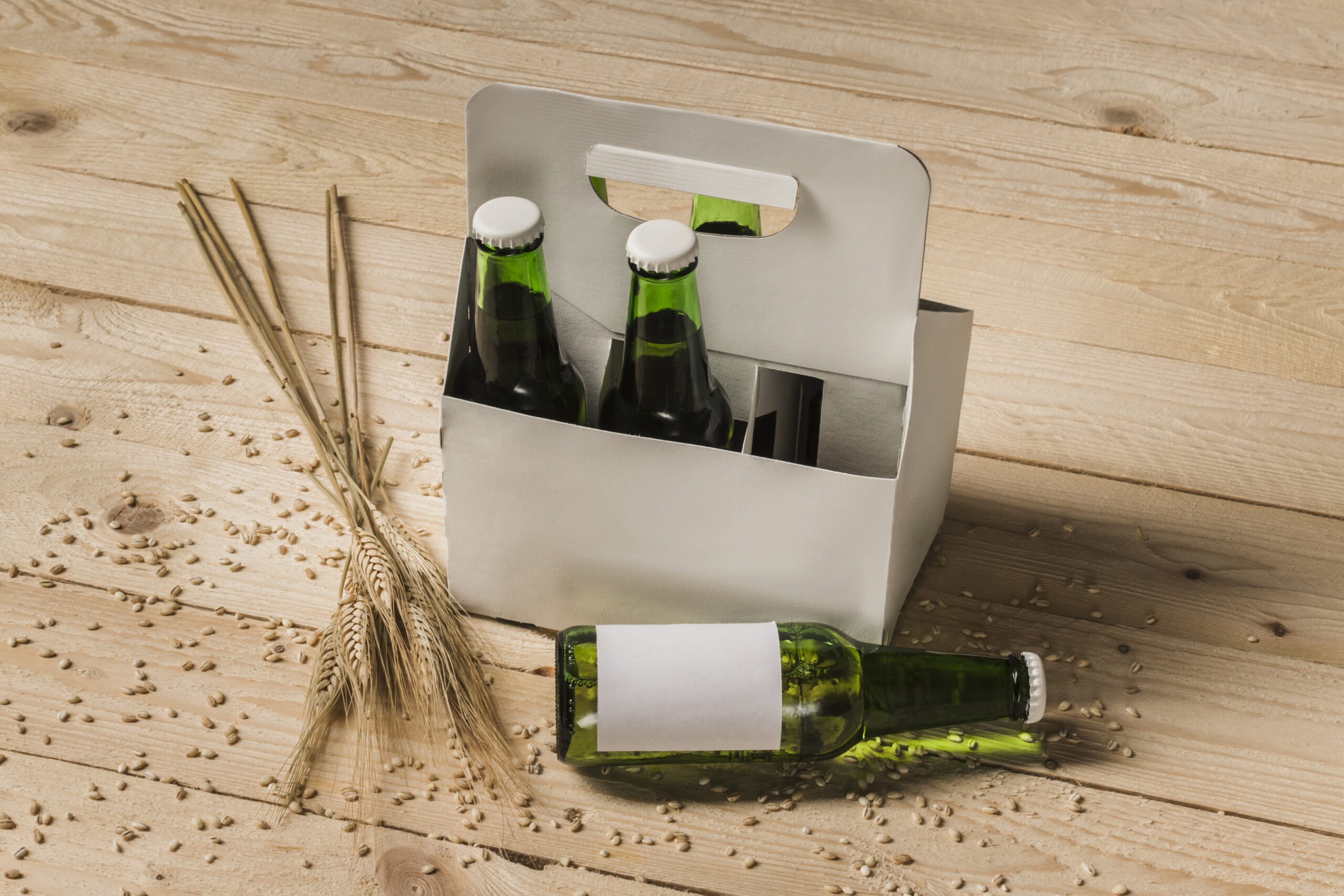
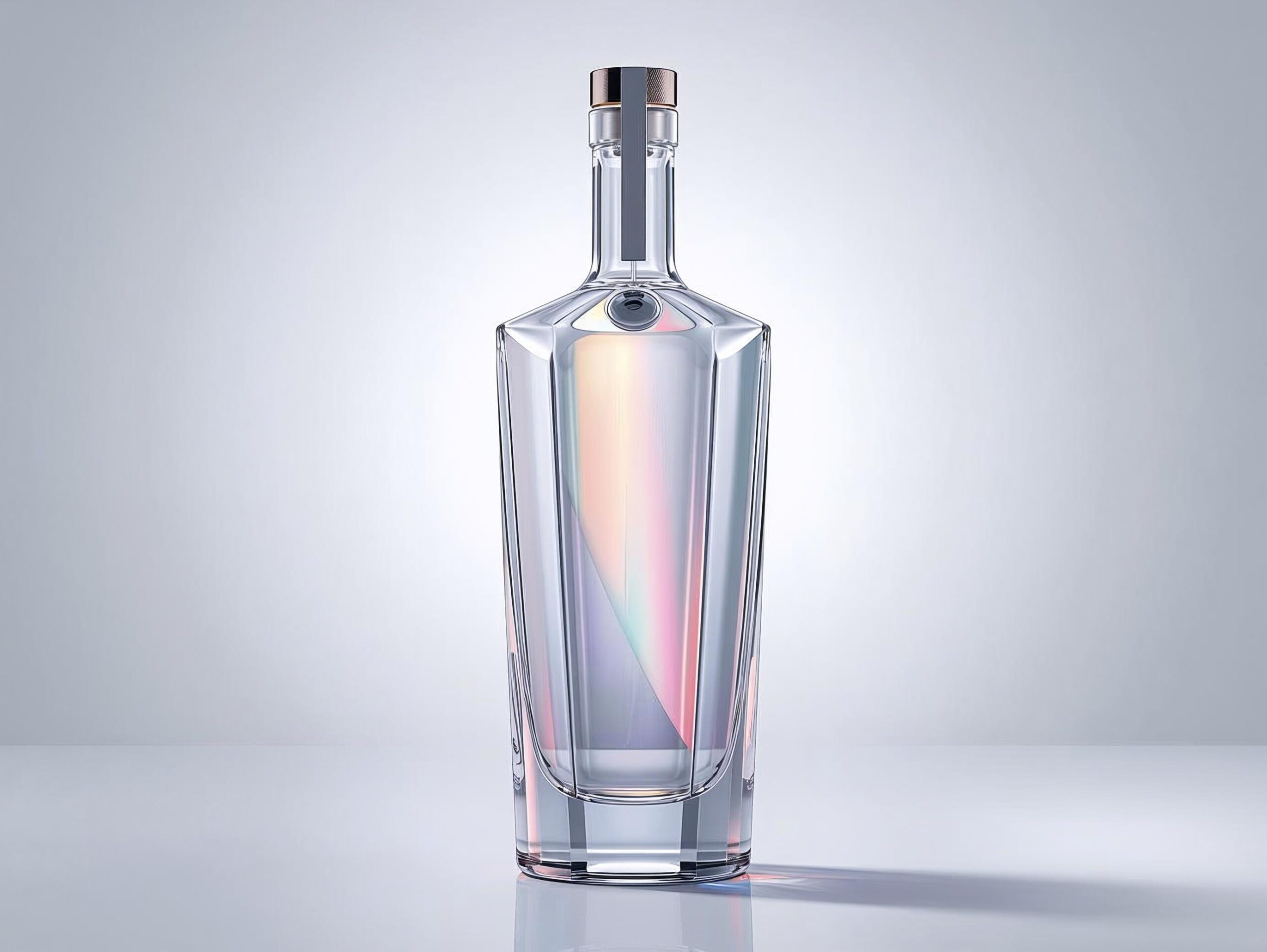

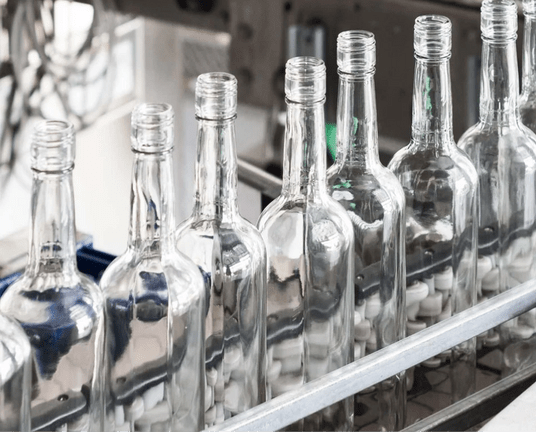
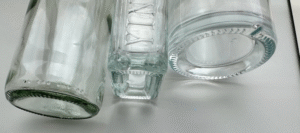
When it comes to glass packaging, not all “clear” glass is created equal. The clarity, color, and purity of flint glass vary widely depending on the raw materials used and the production process. For brands in the liquor, wine, or food industries, understanding the different types of white (or “flint”) glass is key to choosing the right packaging quality for the product and market positioning.
In this article, we break down the three main grades of flint glass used in bottle manufacturing and explain where each type fits in the packaging world.
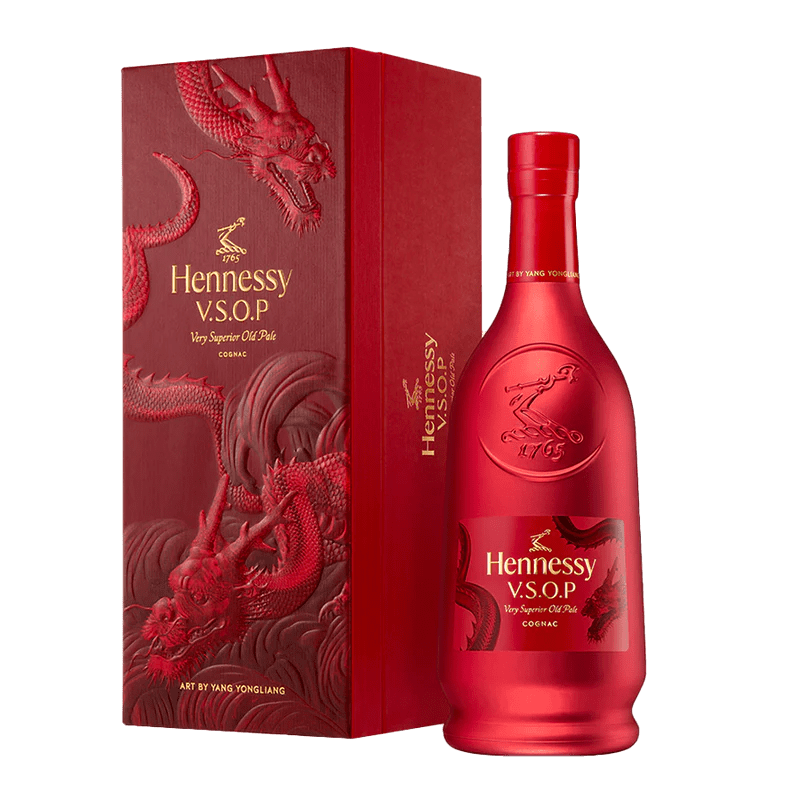
As trade tensions and tariff barriers continue to reshape global commerce, premium spirits producers are reevaluating their supply chains. Among the most notable cases is Hennessy, the iconic Cognac brand, which is reportedly exploring the possibility of bottling directly in China. This move marks a significant departure from the traditional model of bottling exclusively in France and reflects a broader trend toward regionalized production strategies in the face of rising costs.


 English English
 French
 Spanish
 Portuguese
 German
 Italian
 Dutch
Dutch Vietnamese
 Japanese
 Korean
 Indonesian
 Arabic
 Thai
Thai Russian
 Turkish
 Hindi
Hindi Chinese (China)
 Chinese (Taiwan)
 Cantonese
 Czech
Czech