
To import glass bottles from China, a buyer needs five things in place: a vetted supplier, an approved sample, agreed Incoterms, a pre-shipment inspection, and a cleared customs entry. Skip any one of these and a shipment that looked cheap on paper can turn into a warehouse full of bottles you can’t sell. This playbook walks through each step in order, from finding a reliable glass bottle supplier in China to getting cartons off the dock.
Why Buyers Source Glass Packaging from China
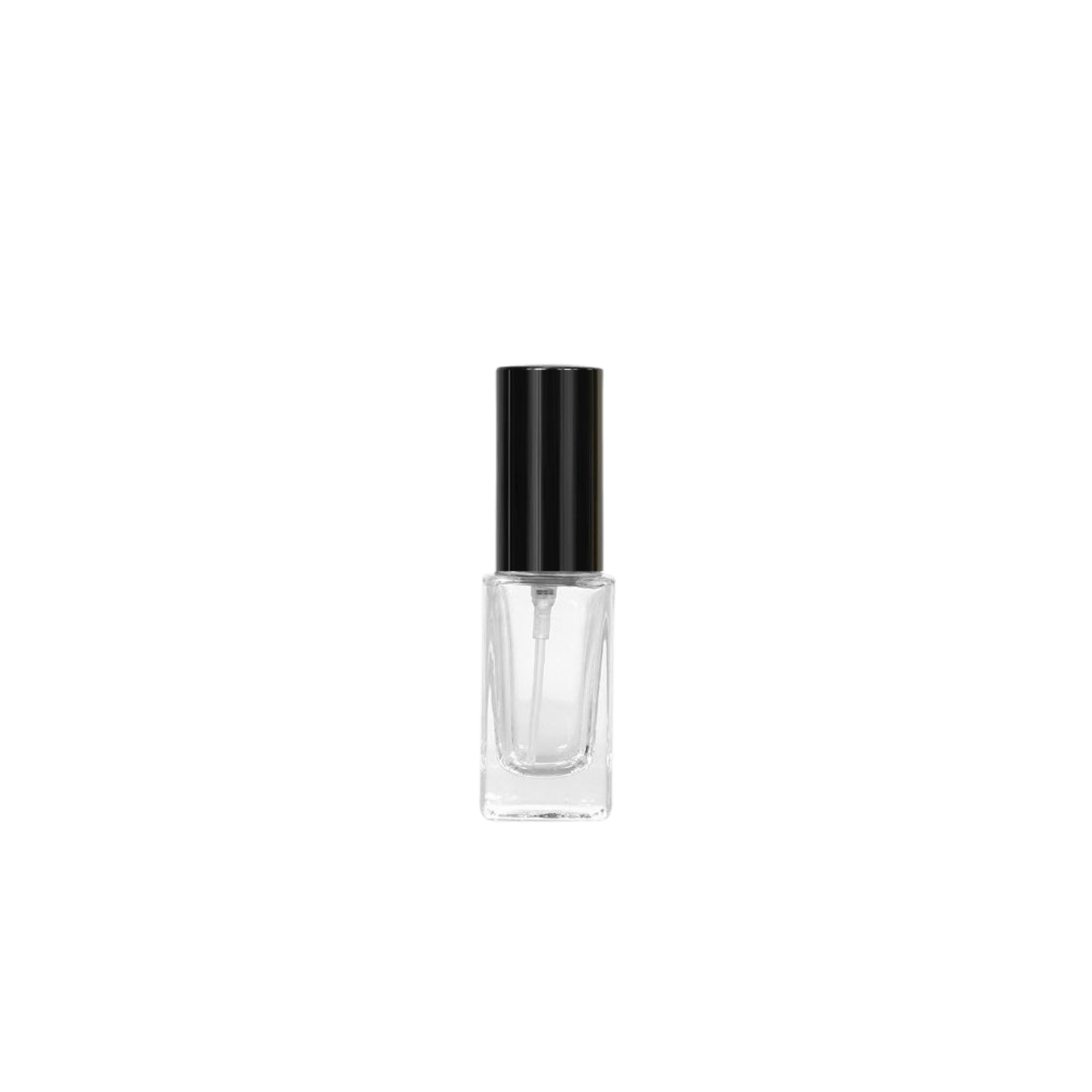
China remains the largest global producer of glass bottles and jars, with a supply base covering everything from stock-mold 330ml Long Neck Blue Beer Bottle to custom cosmetic packaging like Perfume Bottle GR_264. Buyers import from China for three main reasons: broader mold tooling capacity for custom shapes, competitive unit pricing at mid-to-high volumes, and factories that already run compliant food-contact and cosmetic-grade production lines.
That said, distance changes the risk profile. A defect that would be a quick phone call with a domestic supplier becomes a multi-week delay when the factory is 7,000 miles away. The process below is built around catching problems before the container leaves China, not after it lands.

Finding a Reliable Glass Bottle Supplier in China
Start by narrowing the field to suppliers who can prove three things: an export track record with your product category, a real factory (not a trading company reselling capacity you can’t audit), and English-language technical support for specs and QC reports.
Questions to ask before requesting a quote
- Can you provide export references for buyers in my country or industry?
- Do you own the molds, or are they subcontracted to a third-party factory?
- What is your minimum order quantity for this bottle shape and color?
- Can you supply a certificate of food-contact or cosmetic-grade compliance?
- Who inspects the goods before loading — your staff, or an independent third party?
A glass bottle supplier in China that answers these clearly, with documentation rather than verbal assurance, is far less likely to cause problems once production starts.
Samples, Production and Quality Control
Never approve a bulk order from photos alone. Request a physical pre-production sample and inspect it for wall thickness consistency, base stability, neck finish dimensions (critical for closure compatibility), and color match if you’re ordering amber, flint, or antique green glass.
Once production starts, a third-party pre-shipment inspection — typically scheduled when 80% of the order is complete — is the single most effective way to avoid receiving a container of out-of-spec bottles. Inspectors check dimensional tolerance, visual defects (bubbles, stones, checks), carton packing strength, and quantity against the packing list.
| Check | Why it matters |
|---|---|
| Dimensional tolerance (height, diameter, neck finish) | Ensures closures and labeling equipment fit without line stoppages |
| Visual defects (bubbles, stones, checks) | Cosmetic flaws affect brand perception and can indicate weak spots |
| Carton and pallet packing | Poor packing is the leading cause of breakage in transit |
| Quantity vs packing list | Prevents short shipments going undetected until arrival |
FOB vs CIF: Choosing the Right Incoterm
Every quote from a Chinese glass bottle supplier will reference an Incoterm, most commonly FOB (Free On Board) or CIF (Cost, Insurance and Freight). The choice affects who controls freight booking, who carries insurance risk, and how easily you can compare quotes across suppliers.
| Factor | FOB (Free On Board) | CIF (Cost, Insurance, Freight) |
|---|---|---|
| Who books ocean freight | Buyer (via their own freight forwarder) | Seller |
| Risk transfers to buyer | Once goods are loaded on the vessel | Once goods are loaded on the vessel (cost only shifts later) |
| Freight cost control | Buyer negotiates rates directly, can compare carriers | Bundled into supplier’s quote, harder to benchmark |
| Best suited for | Buyers with an established freight forwarder relationship | First-time importers who want a single all-in quote |
| Insurance | Buyer arranges separately (recommended) | Seller arranges minimum-coverage insurance |
For most repeat buyers, FOB gives better long-term control and pricing transparency once a freight forwarder relationship is in place. First-time importers often start with CIF to simplify the process, then switch to FOB as order volumes grow.
Customs, Documentation and Landed Cost
Glass bottles typically clear customs under HS code headings in the 7010 series (containers for conveyance or packing of goods, of glass). Your customs broker will need the commercial invoice, packing list, bill of lading, and — for food or cosmetic contact bottles — any compliance certificates requested by your destination country’s import regulations.
| Document | Purpose |
|---|---|
| Commercial invoice | Declares value for customs duty calculation |
| Packing list | Itemizes carton counts, weights and dimensions |
| Bill of lading | Proof of shipment and title to the goods |
| Certificate of compliance (food/cosmetic contact) | Confirms the glass meets destination-market regulations |
| Pre-shipment inspection report | Supports quality claims if a dispute arises |
Landed cost is more than the FOB or CIF price: add ocean freight (if FOB), marine insurance, destination port handling, customs duty, broker fees, and inland trucking to your facility. Buyers who only compare per-bottle factory quotes routinely underestimate true cost by 15-25%.

FAQ
How do I import glass bottles from China as a first-time buyer?
Start with a vetted glass bottle supplier in China, approve a physical pre-production sample, agree on FOB or CIF terms, schedule a pre-shipment inspection, and confirm your customs broker has the commercial invoice, packing list and bill of lading ready before the container arrives.
What’s the difference between FOB and CIF for glass bottles?
Under FOB, the buyer books and pays for ocean freight and insurance directly, giving more pricing control. Under CIF, the supplier bundles freight and minimum insurance into a single quote, which is simpler for first-time importers but harder to benchmark against other suppliers.
What MOQ should I expect from a glass bottle supplier in China?
Stock mold bottles often start at a few thousand units per SKU, while custom mold shapes typically require higher minimums to offset tooling costs. Always confirm MOQ per color and per bottle shape, since it can vary even within the same supplier’s catalog.
Do I need a pre-shipment inspection when importing glass bottles?
Yes, for any order beyond sample quantities. A third-party inspection scheduled at roughly 80% production completion catches dimensional and visual defects while there’s still time to correct them before the container is sealed.
What customs documents are required to import glass bottles from China?
At minimum: a commercial invoice, packing list and bill of lading. Food-contact or cosmetic-contact bottles may also require a compliance certificate depending on your destination country’s import regulations.
 English
 French
 Spanish
 Portuguese
 German
 Italian
 Japanese
 Korean
 Arabic
 Russian