
Liquor Bottle Sizes: Complete Guide from Miniatures to Handles
Liquor bottles range from 50 mL miniatures to 1.75 L handles and larger specialty formats. The most familiar US retail sizes are 50 mL, 200 mL, 375 mL, 750 mL, 1 L and 1.75 L. A 750 mL bottle is commonly called a fifth, while a 1.75 L bottle is known as a handle. In much of Europe, 700 mL is the standard spirits format.
| Bottle size | US fl oz | Approx. 1.5 oz pours | Common name or use |
|---|---|---|---|
| 50 mL | 1.69 | 1.1 | Miniature, mini, nip |
| 100 mL | 3.38 | 2.3 | Small-format bottle |
| 200 mL | 6.76 | 4.5 | Often called half-pint informally |
| 250 mL | 8.45 | 5.6 | Quarter-liter |
| 350 mL | 11.83 | 7.9 | Regional small format |
| 355 mL | 12.00 | 8.0 | 12 US fl oz |
| 375 mL | 12.68 | 8.5 | Half bottle; sometimes called a pint |
| 500 mL | 16.91 | 11.3 | Half-liter |
| 700 mL | 23.67 | 15.8 | Common European spirits format |
| 750 mL | 25.36 | 16.9 | Fifth; common North American format |
| 1 L | 33.81 | 22.5 | Liter bottle |
| 1.5 L | 50.72 | 33.8 | Large-format bottle |
| 1.75 L | 59.17 | 39.4 | Handle |
| 3 L | 101.44 | 67.6 | Large promotional format |
| 3.75 L | 126.80 | 84.5 | Largest current US standard size |
Bottle nicknames are informal and can vary by country, retailer and product category. Wine uses an entirely separate naming system — see our wine bottle sizes guide. The metric volume printed on the label is the reliable reference.
Sourcing glass for a spirits brand? Browse GlassRock spirits bottles in every format on this chart.
Try it now: pick any bottle volume and pour size — the calculator returns theoretical pours, full pours and the exact remainder.
How many pours are in my bottle?
A 750 mL bottle yields 16.91 theoretical 1.5 oz pours — 16 full pours with about 40.24 mL (1.36 US fl oz) left over. It is not exactly 16 shots.
One 1.5 US fl oz pour is considered one US standard drink only when the spirit is approximately 40% ABV.
Need to convert a volume that isn’t on the chart? Use our mL to oz converter for any custom volume, in US or imperial fluid ounces.
1. Liquor bottle sizes at a glance
Spirits are bottled in a wider range of capacities than almost any other beverage category. At the small end, 50 mL miniatures hold barely more than a single pour; at the large end, US regulations now authorize formats up to 3.75 liters. Between those extremes sit the workhorse sizes that dominate retail shelves: 375 mL half bottles, 700 and 750 mL standard bottles, 1 L bottles common in travel retail and bars, and the 1.75 L handle that anchors the value segment in North America.
Two reference points make every size on the chart easier to interpret. First, one US fluid ounce equals 29.5735295625 mL, so a 750 mL bottle holds 25.36 US fl oz. Second, a typical US spirits pour is 1.5 fl oz (44.36 mL), which means a 750 mL bottle yields 16.91 theoretical pours — not a clean 16, a distinction that matters when you calculate cost per serving. A 1.5 oz pour counts as one US standard drink only when the spirit is around 40% ABV; stronger or weaker products shift that math.
The quick-reference table above covers the sizes you will actually encounter. The next section covers the full legal list for the United States, and section 3 walks through each family in detail — what it’s called, where it sells, and what to consider before you put your product in it.
2. The 25 US standards of fill for distilled spirits (TTB, 2026)
In the United States, distilled spirits may only be sold in container sizes authorized by the Alcohol and Tobacco Tax and Trade Bureau (TTB), known as standards of fill. A final rule effective January 10, 2025 added fifteen new sizes and eliminated the old distinction between cans and other containers, bringing the authorized list to 25 formats — the largest it has ever been. The full list, current as of 2026:
| Authorized capacity | Approx. US fl oz | Approx. 1.5 oz pours |
|---|---|---|
| 50 mL | 1.7 | 1.1 |
| 100 mL | 3.4 | 2.3 |
| 187 mL | 6.3 | 4.2 |
| 200 mL | 6.8 | 4.5 |
| 250 mL | 8.5 | 5.6 |
| 331 mL | 11.2 | 7.5 |
| 350 mL | 11.8 | 7.9 |
| 355 mL | 12.0 | 8.0 |
| 375 mL | 12.7 | 8.5 |
| 475 mL | 16.1 | 10.7 |
| 500 mL | 16.9 | 11.3 |
| 570 mL | 19.3 | 12.8 |
| 700 mL | 23.7 | 15.8 |
| 710 mL | 24.0 | 16.0 |
| 720 mL | 24.3 | 16.2 |
| 750 mL | 25.4 | 16.9 |
| 900 mL | 30.4 | 20.3 |
| 945 mL | 32.0 | 21.3 |
| 1 L | 33.8 | 22.5 |
| 1.5 L | 50.7 | 33.8 |
| 1.75 L | 59.2 | 39.4 |
| 1.8 L | 60.9 | 40.6 |
| 2 L | 67.6 | 45.1 |
| 3 L | 101.4 | 67.6 |
| 3.75 L | 126.8 | 84.5 |
These are authorized US standards of fill for distilled spirits. Authorization does not mean every size is commonly stocked by retailers or suitable for every country. Brands should verify the requirements of each intended market before finalizing a bottle and label.
3. Every liquor bottle size family, explained
Each entry below gives the exact conversion (at 29.5735295625 mL per US fl oz), the common name, typical use, primary markets, and the packaging consideration we most often discuss with brands sourcing that format.
50 mL — the miniature
50 mL = 1.69 US fl oz ≈ 1.1 pours at 1.5 oz. Universally called a miniature, mini, or nip, this is the airline and hotel-minibar format, and in recent years a checkout-counter impulse buy. It is also the standard sampling and gifting size for premium brands. Sold in the US, Europe and most world markets. B2B consideration: miniatures run on dedicated high-speed filling lines with small neck finishes; glass weight per mL is the highest of any format, so unit economics depend on large runs and simple decoration.
100 mL — the small format
100 mL = 3.38 US fl oz ≈ 2.3 pours. A small-format bottle used for premium samples, travel-retail multipacks and trial sizes where 50 mL feels insubstantial. Authorized in the US and common in duty-free worldwide. B2B consideration: 100 mL bottles often reuse miniature neck finishes but allow more label area, making them a cost-effective sampling vehicle for brands whose 50 mL label becomes unreadable.
187 mL and 200 mL — the “half-pint” family
187 mL = 6.32 US fl oz (4.2 pours); 200 mL = 6.76 US fl oz (4.5 pours). The 200 mL bottle is often called a half-pint informally, a carryover from the pre-metric 8 oz size it replaced. The 187 mL size was added to the spirits list in 2025, mainly for ready-to-drink cocktails in cans and small bottles. Strong in the US convenience channel. B2B consideration: flask-style 200 mL bottles need thicker side walls to survive back-pocket handling; the flat panel also constrains label application speed.
250 mL — the quarter-liter
250 mL = 8.45 US fl oz ≈ 5.6 pours. A quarter-liter format newly authorized for US spirits in 2025, already common internationally and the dominant size for many canned RTD cocktails. B2B consideration: 250 mL sits at the crossover point between can and glass; brands choosing glass here usually do so for premium cues, so decoration quality (embossing, heavy base) drives the specification.
331, 350 and 355 mL — the “beer-adjacent” sizes
331 mL = 11.19 US fl oz (7.5 pours); 350 mL = 11.83 US fl oz (7.9 pours); 355 mL = 12.00 US fl oz (8.0 pours). All three entered the US spirits list in 2025. The 355 mL size is exactly 12 US fl oz — the classic North American beer can (see our beer bottle sizes guide) — and 331/350 mL serve regional formats and RTD lines. B2B consideration: these sizes let spirits-based RTDs share filling and packing infrastructure with beer; if that is your plan, confirm crown versus screw finish early, because it dictates the neck mold.
375 mL — the half bottle
375 mL = 12.68 US fl oz ≈ 8.5 pours. Exactly half of 750 mL, universally stocked, and sometimes called a pint even though a true US pint is 16 fl oz. It serves premium trial purchases, high-proof products sold in smaller volumes, and price-sensitive segments. Sold in the US, Canada and most export markets. B2B consideration: many brands shrink their 750 mL design to 375 mL; check that embossing and label artwork remain legible at half scale before cutting the mold.
475, 500 and 570 mL — the half-liter family
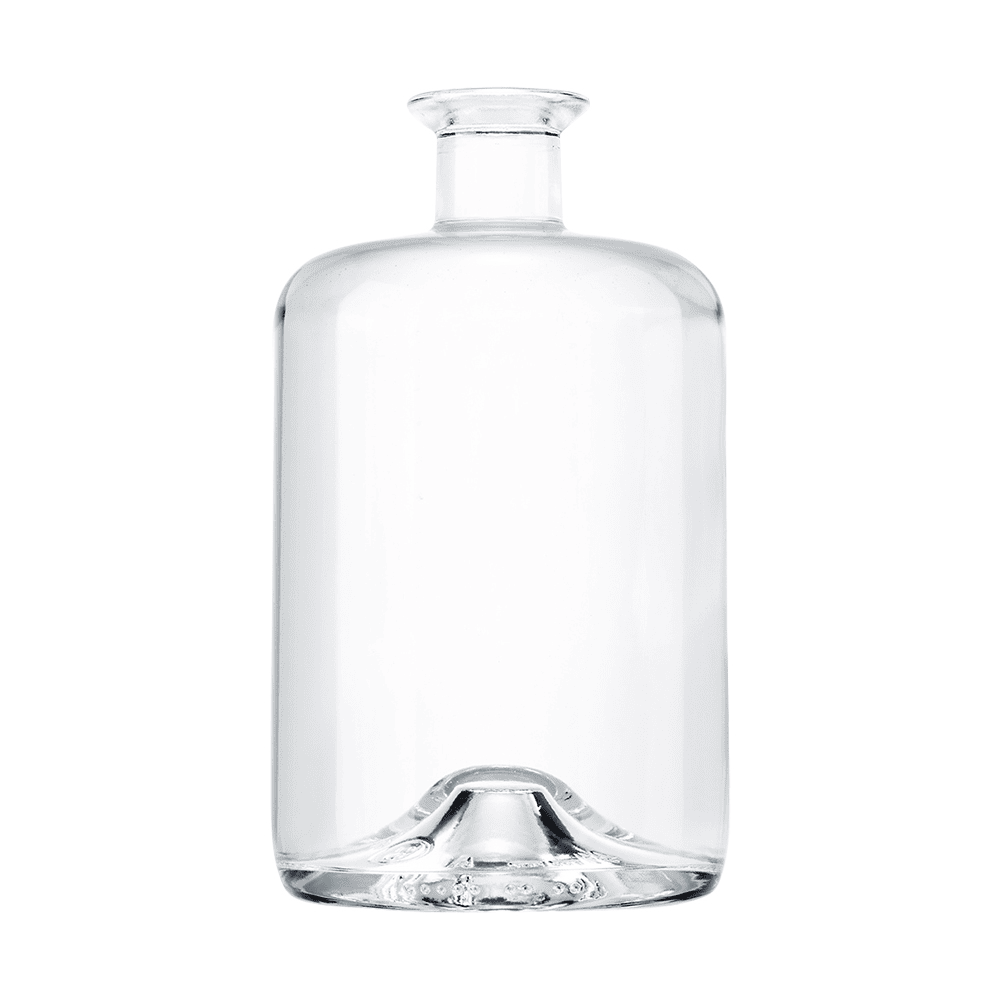
475 mL = 16.06 US fl oz (10.7 pours); 500 mL = 16.91 US fl oz (11.3 pours); 570 mL = 19.27 US fl oz (12.8 pours). The half-liter is a long-standing European format for liqueurs, aquavit and regional spirits, authorized for US distilled spirits since 2025. The 570 mL size corresponds to the imperial pint (20 imp fl oz), relevant to UK-influenced markets. B2B consideration: 500 mL is the classic liqueur format, and buyers expect distinctive glass here — squat, square or apothecary shapes — rather than a scaled-down spirits round.
700, 710, 720 and 750 mL — the standard bottle
700 mL = 23.67 US fl oz (15.8 pours); 710 mL = 24.01 US fl oz (16.0 pours); 720 mL = 24.35 US fl oz (16.2 pours); 750 mL = 25.36 US fl oz (16.9 pours). This family is where most of the world’s spirits are sold. 750 mL is the standard North American retail format — the “fifth” — while 700 mL is the reference format across Europe, the UK and many other markets. The 720 mL size serves Japanese sake and shochu traditions, and 710 mL (24 US fl oz) was authorized in 2025. Since the US now accepts 700 mL, a single 700 mL bottle can serve both sides of the Atlantic — see section 7 for the decision framework. B2B consideration: the same glass design can often be cut as 700 and 750 mL molds with a shared finish, letting one brand identity serve every market with only a label change.
900 mL, 945 mL and 1 L — the large retail sizes
900 mL = 30.43 US fl oz (20.3 pours); 945 mL = 31.95 US fl oz (21.3 pours); 1 L = 33.81 US fl oz (22.5 pours). The liter bottle is the standard in duty-free and a bar-well favorite, offering a third more servings than a 750 with nearly identical shelf footprint. The 900 mL size is established in Brazil for cachaça, and 945 mL (a US quart, 32 fl oz) was authorized in 2025. B2B consideration: liter bottles for the on-trade should be specified with pour-control-friendly finishes and durable shoulders — bar bottles are handled far more roughly than retail ones.
1.5 L — the magnum-style format
1.5 L = 50.72 US fl oz ≈ 33.8 pours. Authorized for US spirits in 2025, the 1.5 L bottle holds exactly two standard 750 mL bottles. It serves value brands in some markets and display or celebration bottles for premium ones. B2B consideration: at 1.5 L, filled weight approaches 3 kg; verify shelf and carton compliance, and consider a cradle or handle for consumer handling.
1.75 L — the handle
1.75 L = 59.17 US fl oz ≈ 39.4 pours. The largest mainstream US retail format, called a handle because most bottles this size are molded with one. It anchors the value segment, club-store channel, and high-volume home entertaining. Despite the nickname “half-gallon,” it is meaningfully smaller than a true half gallon — see section 5. Primarily a North American format. B2B consideration: the integral handle complicates the mold and decoration; label panels must be planned around it, and PET is increasingly specified alongside glass in this size for weight reasons.
1.8 L to 3.75 L — specialty and promotional formats
1.8 L = 60.87 US fl oz (40.6 pours); 2 L = 67.63 US fl oz (45.1 pours); 3 L = 101.44 US fl oz (67.6 pours); 3.75 L = 126.80 US fl oz (84.5 pours). The 1.8 L size serves the Japanese isshobin tradition; 2 L, 3 L and 3.75 L — the largest authorized US size — are display, promotional and on-premise formats. B2B consideration: above 2 L, hand-filling and case-of-one packing are common; discuss dispensing (pourers, cradles) and secondary packaging at the design stage, not after.
4. What is a fifth of liquor?
A fifth is the everyday name for a 750 mL bottle in North America. The name is a fossil from the pre-metric era: American spirits were long sold in bottles holding one fifth of a US gallon — 4/5 of a quart, or about 757.08 mL. When the US moved to mandatory metric standards of fill for spirits on January 1, 1980 (under TTB regulations), the 757 mL fifth was replaced by the 750 mL bottle, a difference of only about 7 mL — less than a quarter of an ounce. The name survived the conversion, and half a century later, “a fifth” still means the standard 750 mL bottle.
Strictly speaking, then, a modern fifth holds 25.36 US fl oz rather than the 25.6 fl oz of the original 1/5 gallon. For any practical purpose — recipes, bar inventory, cost-per-pour math — treat “fifth” and “750 mL” as the same thing, and use the number on the label: 750 mL.
5. What is a handle of liquor?
A handle is the common name for a 1.75 L bottle, so called because bottles this size are usually molded with a built-in carrying handle. At 59.17 US fl oz, a handle holds exactly as much as two and one-third 750 mL fifths, and yields 39.4 pours at 1.5 oz — which is why it dominates the club-store and party-supply segment in the United States.
The handle is often loosely described as a “half gallon,” a habit left over from the pre-1980 US half-gallon bottle. The nickname doesn’t survive arithmetic:
That 143 mL gap is more than three 1.5 oz pours. If you’re costing servings for an event or building a bar program, use 1.75 L — never “half a gallon” — as the working number.
6. Pour math: theoretical pours, full pours and the remainder
Serving counts are where most bottle-size math goes wrong, because real bottles don’t divide evenly into standard pours. A 750 mL bottle at a 1.5 oz pour yields 16.91 theoretical pours: 16 full pours, with about 40.24 mL (1.36 oz) left in the bottle. Enter any bottle volume and pour size in the calculator at the top of this page to get the exact breakdown — theoretical pours, full pours, and the remainder.
Remember that a 1.5 US fl oz pour equals one US standard drink only when the spirit is approximately 40% ABV. Cask-strength whiskeys, overproof rums and lower-proof liqueurs all shift the standard-drink equivalence even when the pour volume is identical.
7. 700 mL vs 750 mL: which one does your market expect?
The 50 mL difference between these two bottles carries more commercial weight than any other size decision. 750 mL is the standard North American retail format; 700 mL is the reference format across Europe, the UK and much of the rest of the world. Neither is a “global standard” — the world genuinely runs on two bottles. For decades US rules forced dual-market brands to bottle twice; since 700 mL became an authorized US standard of fill, a single bottle can legally serve both, and the question has become strategic rather than regulatory.
| Your situation | Recommended format | Why |
|---|---|---|
| US-only distribution | 750 mL | Retail shelves, pricing surveys and consumer expectations are built around 750 mL; a 700 mL bottle invites unfavorable price-per-mL comparisons. |
| Europe/UK-only distribution | 700 mL | 700 mL is the required or expected retail format in most European markets. |
| Both markets, one SKU, cost priority | 700 mL | Now legal in the US; one bottle, one mold, one inventory. Accept the slight US shelf disadvantage. |
| Both markets, premium positioning | 700 and 750 mL twin molds | Shared design and finish with two capacities preserves local expectations; only the mold cavity and label change. |
| Travel retail / duty-free focus | 1 L (with 700/750 core range) | Duty-free buyers favor the liter format; align the design family across all three. |
Whichever you choose, keep the label’s stated capacity, the actual fill and the target market’s rules aligned — and remember that some export markets restrict which capacities may be imported regardless of what the US or EU allows.
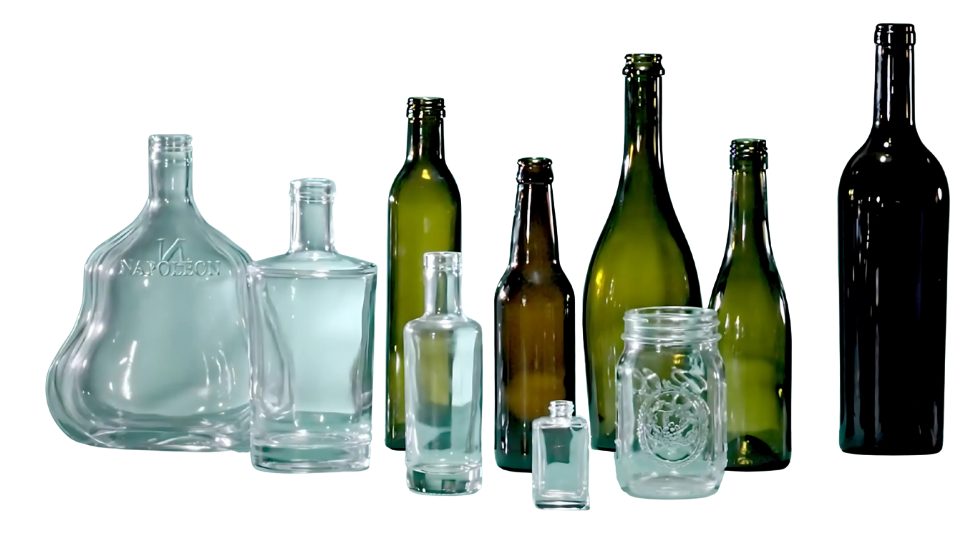
8. Choosing a bottle size for your brand: a B2B guide
For a spirits brand, capacity is a commercial decision before it is a packaging one. The size you choose sets your price point, your channel options, your cost per serving on the back bar, and how many markets one SKU can serve. The matrix below maps the most common commercial objectives to the formats that serve them best.
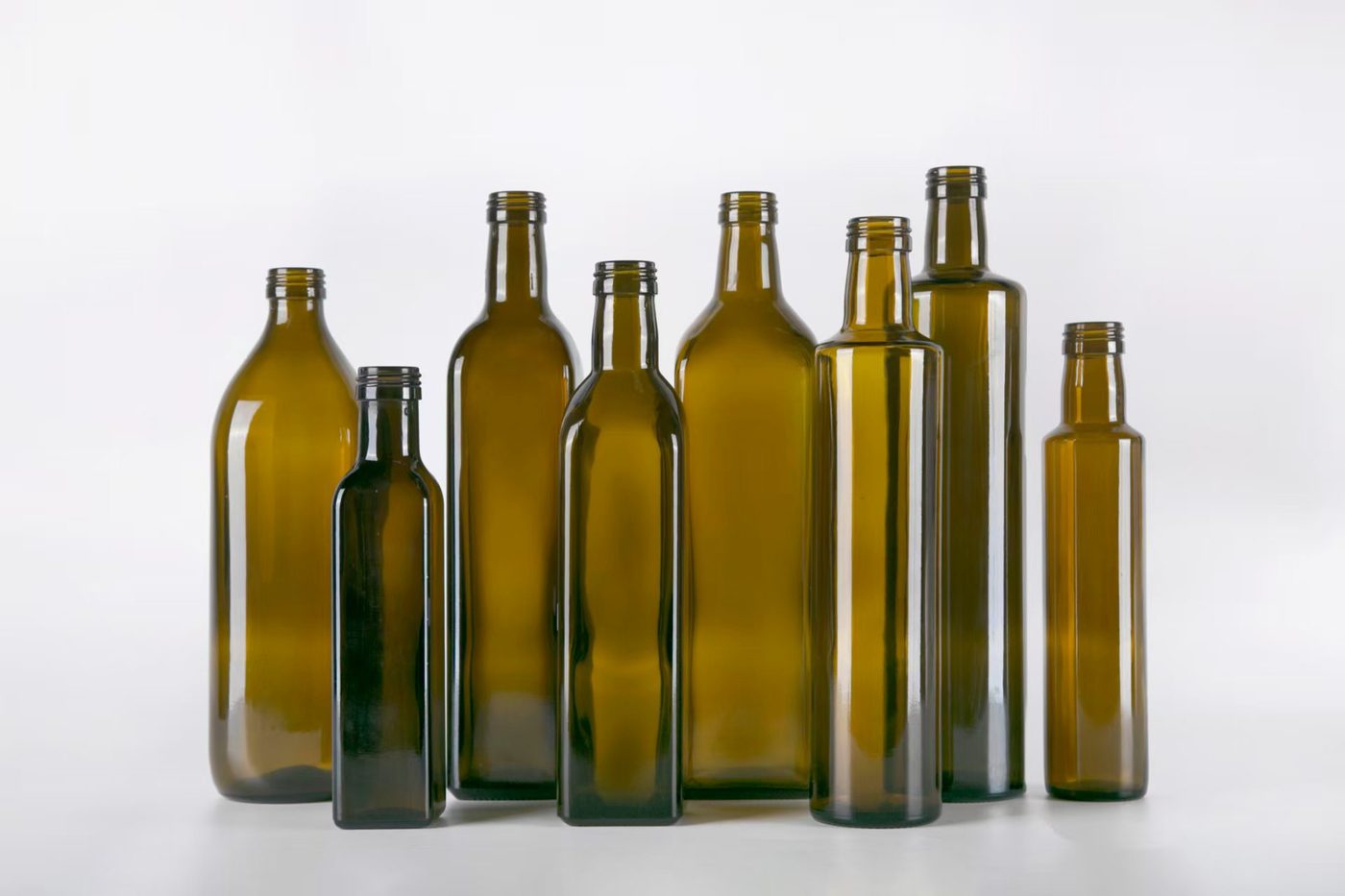
| Commercial objective | Primary format | Supporting formats | Notes |
|---|---|---|---|
| Premium retail launch (US) | 750 mL | 375 mL for trial, 50 mL for sampling | The 750 anchors the brand; small formats recruit new drinkers at low risk. |
| Premium retail launch (EU/UK) | 700 mL | 500 mL for liqueurs, 50 mL for sampling | Mirror of the US play with the European reference capacity. |
| Transatlantic single-SKU strategy | 700 mL | — | Legal in the US since 2025; simplest possible supply chain. |
| On-trade / bar program | 1 L | 750 or 700 mL | More pours per bottle, fewer change-overs in the well. |
| Value / volume segment (US) | 1.75 L handle | 750 mL | Club-store and party channel; price per pour is the message. |
| RTD / spirits-based seltzer | 355 mL | 250, 200 mL | Shares beer infrastructure; can-vs-glass decision drives everything. |
| Gifting and travel retail | 1 L | 100 mL multipacks, 3 L display | Liter is the duty-free standard; large formats create theater. |
| Sampling / brand recruitment | 50 mL | 100 mL | Lowest-risk first purchase; also the format for advent-calendar packs. |
Not sure which format fits your brand plan? Our packaging team runs this analysis daily for distillers and importers. Request a bottle assessment — we’ll come back with format, glass and decoration recommendations for your target markets.
To make that assessment useful, we ask every brand the same twelve questions. Having answers ready shortens the process from weeks to days:
- Spirit category — whiskey, gin, vodka, liqueur, RTD… category norms shape size expectations.
- Target markets — each country’s authorized capacities and label rules apply on top of the TTB list.
- Capacities required — core size plus any trial, travel-retail or value formats.
- Estimated annual volume per capacity — determines whether a custom mold is economical.
- Stock mold or custom design — stock ships in weeks; custom molds take months and a tooling budget.
- Glass color — flint (clear), amber, green or black affects both brand look and UV protection.
- Closure and neck finish — bar-top cork, screw cap (GPI thread), or crown; this fixes the neck mold.
- Decoration — pressure-sensitive labels, screen printing, embossing, coating or a combination.
- Filling line constraints — maximum bottle height and diameter, and the neck finish your line can handle.
- Bottle weight target — heavier glass signals premium but raises freight and carbon costs.
- Budget per unit — glass, closure and decoration together, at your realistic volumes.
- Timeline — launch date, working back through decoration, molding and shipping lead times.
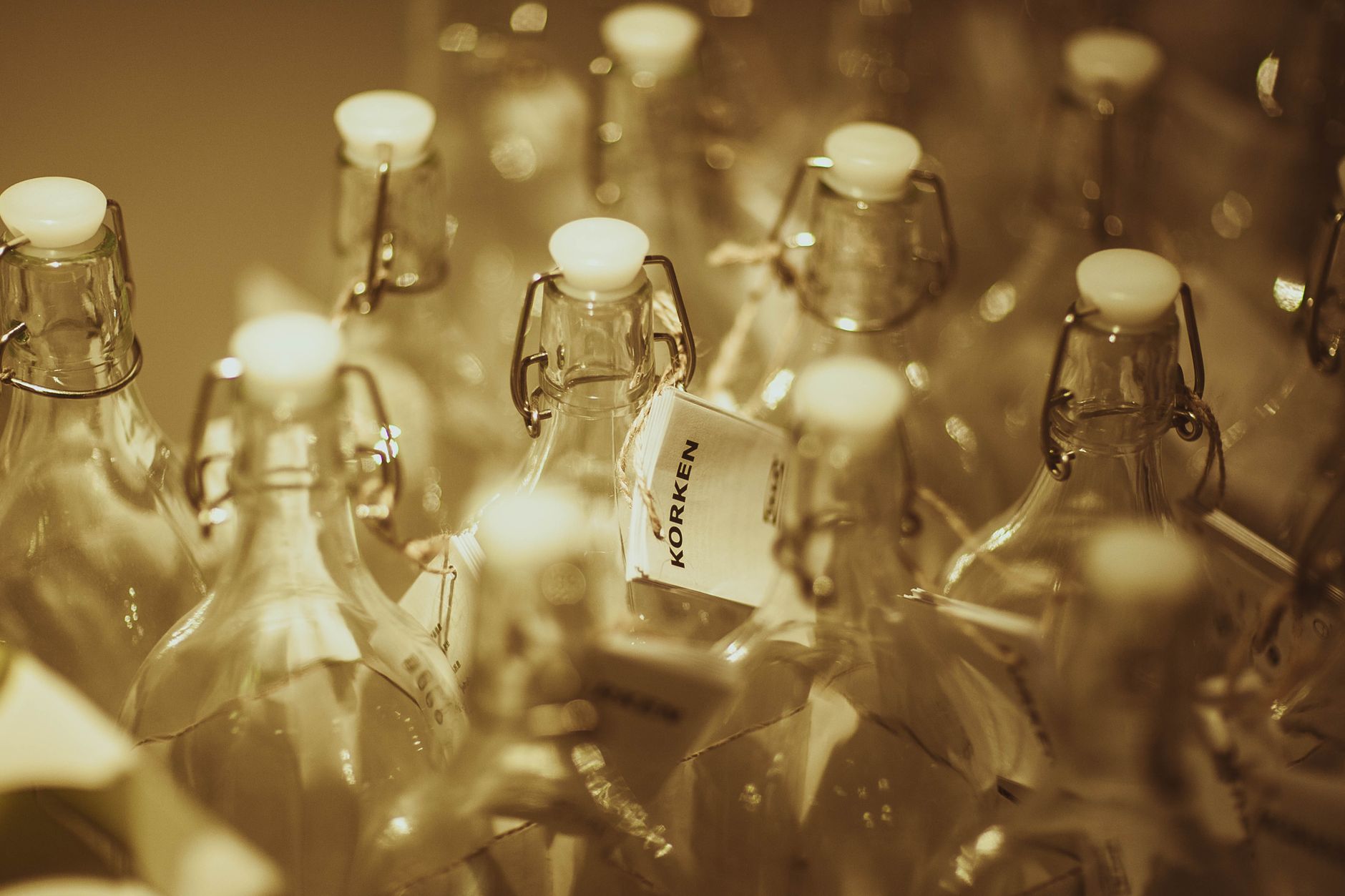
9. Capacity is not the same as bottle dimensions
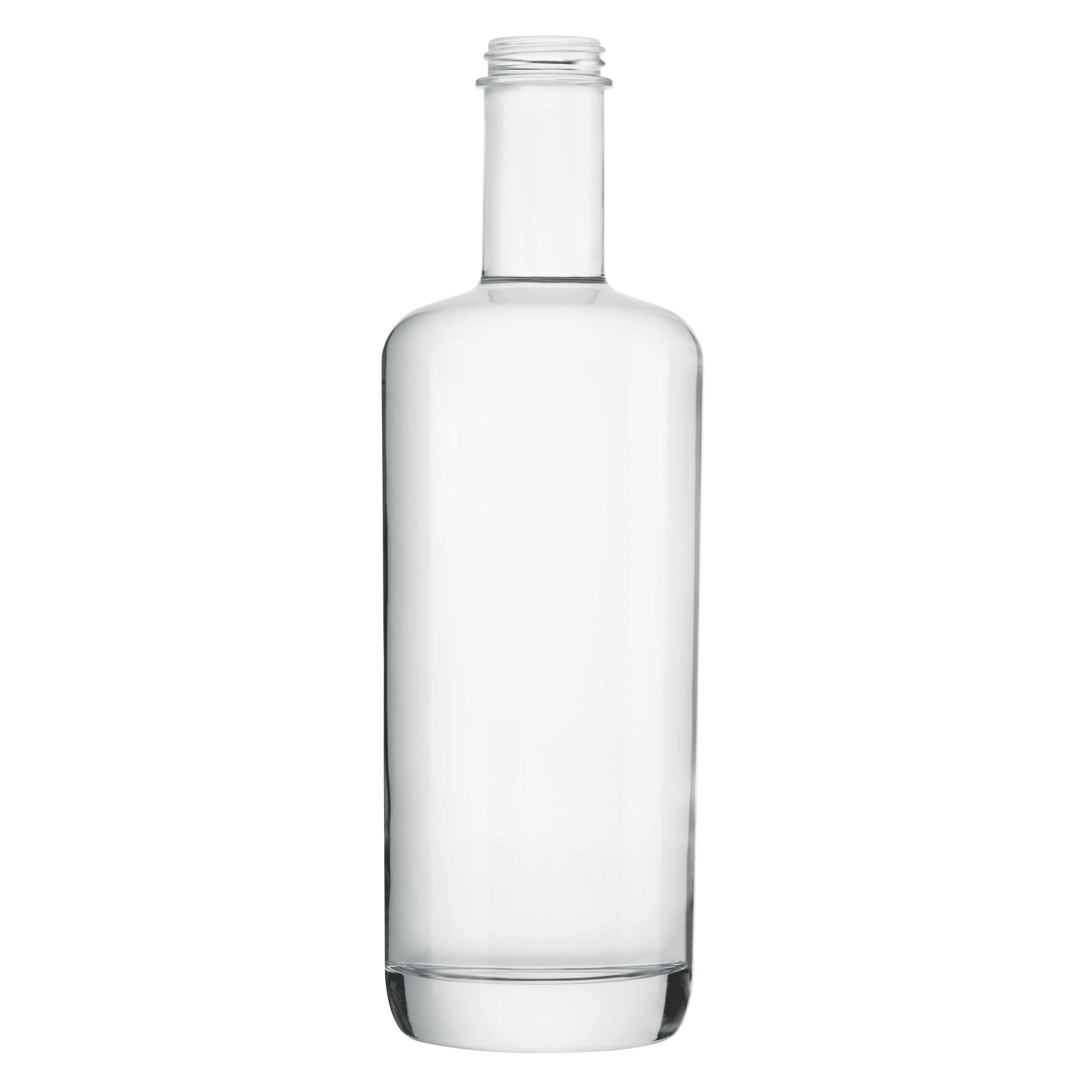
A recurring source of confusion: two bottles with the same capacity can have completely different heights, diameters and weights. Capacity is the volume of liquid the bottle holds; dimensions are the result of design choices — a tall slim gin bottle and a squat square bourbon bottle can both hold exactly 750 mL. That’s why filling lines, cartons, shippers and shelf planograms are specified against the bottle drawing, never against the capacity alone. How to read those dimensions — L×W×H for cartons and cases, Ø × H for round bottles — is covered in our guide to packaging dimensions.

How tall is a 750 mL bottle?
There is no universal height for a 750 mL bottle. Typical spirits bottles in this capacity run roughly 280–330 mm tall with base diameters around 70–90 mm, but tall-and-slim or short-and-broad designs fall well outside that band by design. Always work from the technical drawing of the specific bottle — height, diameter, weight, and finish — when planning secondary packaging, automation, or shelf placement.
10. Fill level and headspace rules
Choosing an authorized capacity is only half of US compliance; the bottle must also be filled in a way that doesn’t mislead. TTB design-and-fill regulations require that a spirits container be filled so that headspace — the air gap between the liquid and the closure — does not exceed 8% of the container’s total capacity for bottles larger than 200 mL. Combined with the standards of fill, this prevents oversized bottles that appear to hold more product than they do. Practical implications for packaging buyers: the bottle’s brimful capacity, its stated capacity and your filling tolerance must be engineered together, which is why capacity verification is part of any serious bottle qualification, and why fill height is specified on every GlassRock technical drawing.
This guide summarizes US federal packaging rules for orientation only and is not legal advice. Regulations change and state, provincial and export-market rules add further requirements — confirm current requirements with the TTB and qualified counsel before committing to a format.
11. Liquor bottle sizes: frequently asked questions
How many ounces are in a 750 mL bottle?
A 750 mL bottle contains 25.36 US fluid ounces (750 ÷ 29.5735295625). In imperial fluid ounces, used in the UK, the same bottle holds 26.40 imp fl oz. The difference exists because the US and imperial fluid ounces are different units — worth checking whenever a figure seems slightly “off” between American and British sources.
How many 1.5 oz shots are in a 750 mL bottle?
16.91 theoretical shots — in practice, 16 full 1.5 oz pours with about 40 mL left over. Round numbers like “16 shots” understate the real yield by nearly a full pour, which matters when you cost servings across hundreds of bottles. Our pour calculator gives the exact split for any bottle and pour size.
Is 750 mL the same as a fifth?
In everyday use, yes: “a fifth” is what North Americans call the 750 mL bottle. Historically a fifth was one-fifth of a US gallon, about 757 mL, and the metric transition of 1980 replaced it with 750 mL. The 7 mL difference is trivial, but the label volume — 750 mL — is the figure to use for any calculation.
What is a handle of liquor?
A handle is a 1.75 L bottle, named for the molded carrying handle most bottles this size include. It holds 59.17 US fl oz — equivalent to two and one-third standard 750 mL bottles — and yields about 39 full 1.5 oz pours, making it the go-to format for large gatherings and value buyers.
Is a handle half a gallon?
No. A US half gallon is 64 US fl oz (about 1.893 L), while a handle is 1.75 L or 59.17 US fl oz — roughly 143 mL less. The nickname is a leftover from pre-1980 half-gallon bottles. Anyone budgeting drinks for an event should calculate from 1.75 L, not from a half gallon.
Why is liquor sold in 700 mL bottles in Europe but 750 mL in the US?
The two regions standardized separately: the EU settled on 700 mL as its spirits format, while the US metric conversion of 1980 chose 750 mL as the closest round successor to the old fifth. Since January 2025 the US also authorizes 700 mL, so brands can now use one bottle for both markets if they accept the smaller US shelf size.
What is the smallest liquor bottle size?
The smallest US-authorized spirits size is the 50 mL miniature — about 1.69 US fl oz, or a generous single pour. It dominates airline and minibar service and is increasingly important as a sampling and gifting format. Some countries permit even smaller novelty sizes, but 50 mL is the practical floor for US retail.
What is the largest liquor bottle you can buy in the US?
The largest authorized US standard of fill for distilled spirits is 3.75 liters — 126.80 US fl oz, or about five 750 mL bottles. Formats above 1.75 L are specialty items: display bottles, promotional packs and on-premise dispensing rather than everyday retail purchases.
How many standard drinks are in a liter of spirits?
A 1 L bottle yields 22.5 pours at 1.5 US fl oz. Each such pour counts as one US standard drink only when the spirit is around 40% ABV; at higher or lower strengths the standard-drink count changes even though the pour count doesn’t. For 80-proof spirits, treat a liter as roughly 22 standard drinks.
Is a 375 mL bottle a pint?
Not literally. A US pint is 16 fl oz (473 mL), while a 375 mL bottle holds 12.68 US fl oz. The “pint” nickname is a holdover from older bottle sizes, like “fifth” and “half-pint.” The 375 mL format is precisely a half bottle — exactly half of 750 mL — which is the more accurate name.
How many liquor bottle sizes are legal in the US?
Twenty-five, as of 2026. The TTB’s final rule effective January 10, 2025 added fifteen new standards of fill — including 700 mL, 500 mL and 355 mL — to the ten that existed before, and applied one list to all container types including cans. Every size is shown in the full table above.
Can I sell the same bottle in the US and in Europe?
Often, yes. A 700 mL bottle is now authorized in the US and standard in Europe, so a single SKU can legally serve both. You still need market-specific labels (government warnings, importer details, language requirements), and some capacities legal in one market remain unauthorized in the other — so confirm the full capacity list for every target country.
How many 750 mL bottles come in a case?
Twelve is the industry-standard case for 750 mL spirits — nine liters total, which is why sales statistics are quoted in “9-liter cases.” Six-bottle cases are common for premium and heavy glass, and 1.75 L handles typically pack six to a case. Case configuration is part of the packaging specification, not an afterthought.
What size bottle should a new spirits brand launch with?
For most brands: the standard size of your primary market — 750 mL in North America, 700 mL in Europe — plus a 50 mL for sampling if budget allows. Single-market focus keeps inventory simple; add trial and value sizes only once velocity justifies them. Our team can pressure-test the choice against your channel plan in a bottle assessment.
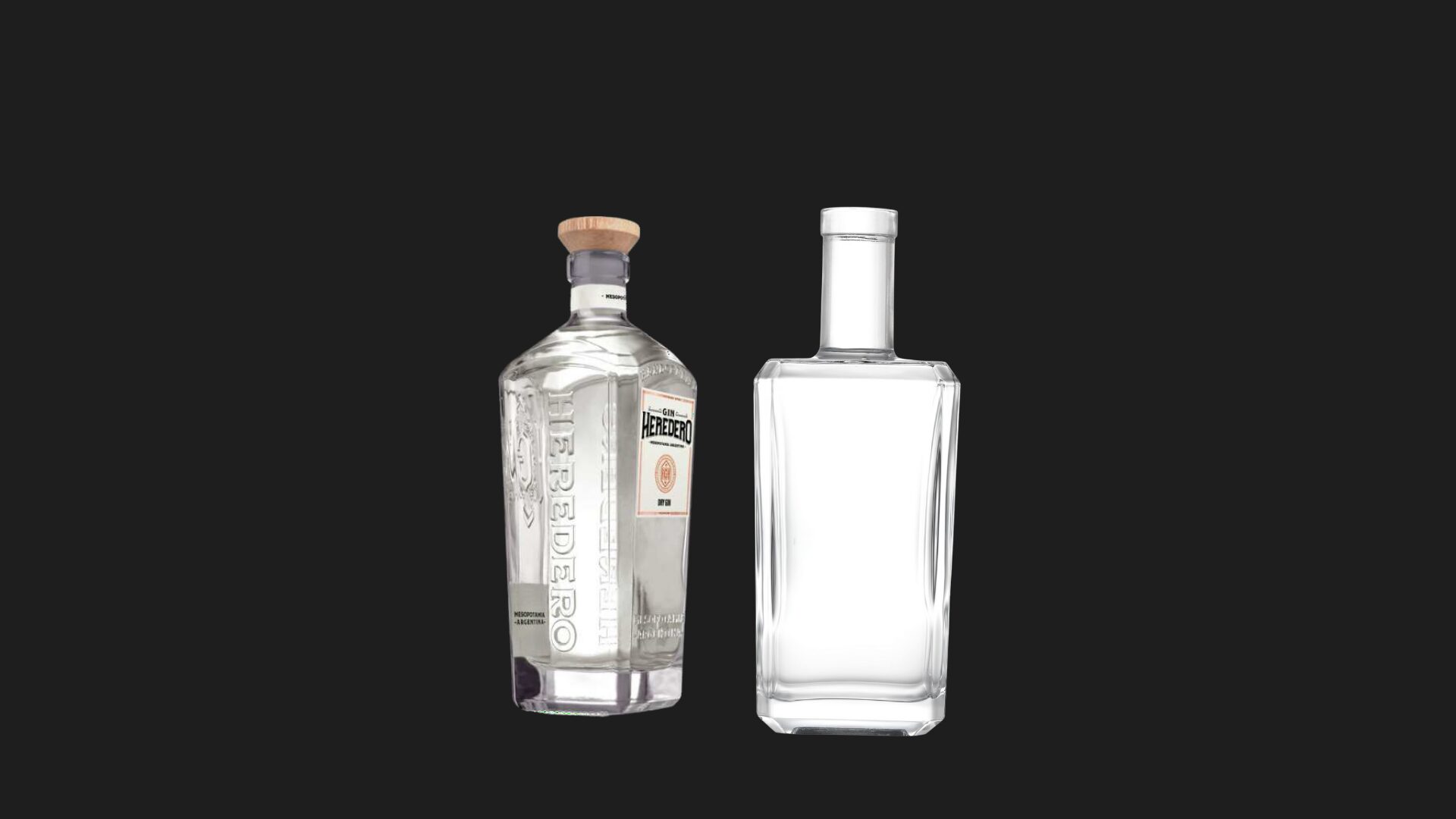
Ready to put your spirit in glass? Request a quotation for any format in this guide, or view our spirits bottles from 50 mL miniatures to large-format display bottles.
All conversions in this guide use the exact factors 1 US fl oz = 29.5735295625 mL (NIST Handbook 44) and 1 imperial fl oz = 28.4130625 mL, rounded for display. Need a volume that isn’t listed? Use our mL to oz converter for any custom volume.

 English
 French
 Spanish
 Portuguese
 German
 Italian
 Japanese
 Korean
 Arabic
 Russian