
China Cancels Export VAT Rebates on Glass Bottles: Why China Still Remains Highly Competitive
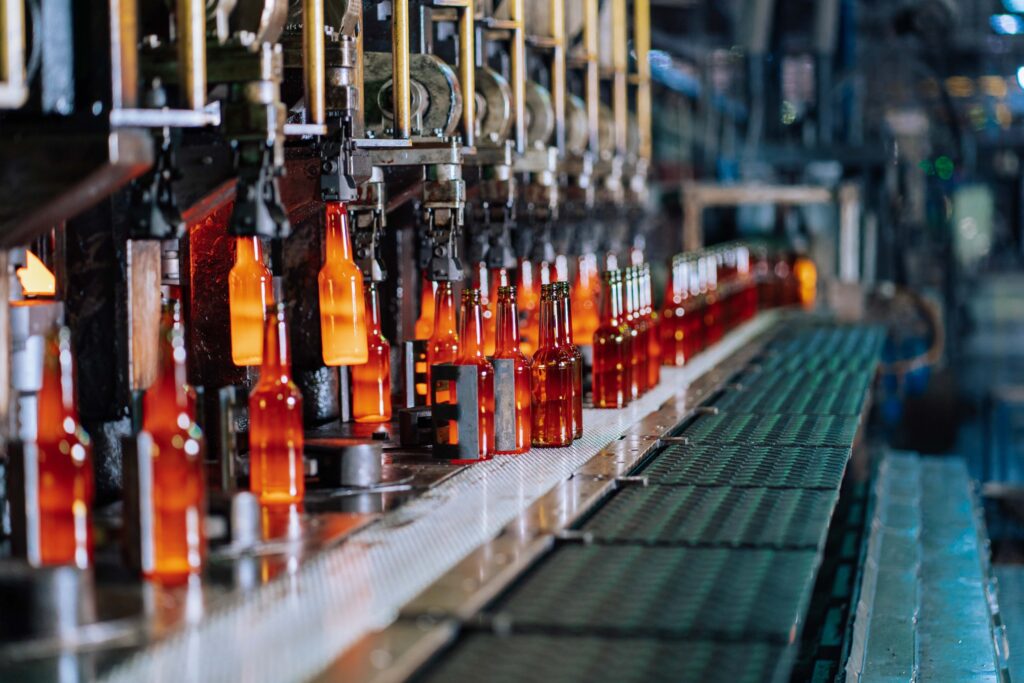
From April 1, 2026, China officially cancelled the China glass bottle VAT rebate — removing the export tax advantage that had applied to several glass packaging categories, including glass containers for transport and preservation of goods. For importers of wine bottles, spirits bottles, water bottles, food jars, cosmetic glass containers, and other customized glass packaging, this is not a minor administrative change. It directly affects export pricing, supplier margins, and long-term procurement strategy. But it does not change the fundamental reality of the market: China remains one of the most competitive sourcing bases in the world for glass packaging. On the extra flint glass bottle segment, GlassRock remains around 50% […]
Lightweight Glass Bottles: Reduce Weight, Cut Shipping Costs
Lightweight glass bottles can shave 15–30% off package weight. Here is how design, glass distribution, and forming choices unlock the savings.
Glass Bottles vs Plastic for Spirits: 5 Key Reasons
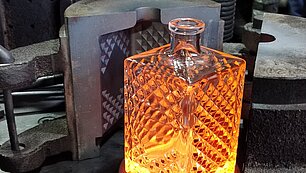
Discover five reasons glass bottles outperform plastic for spirits and liquors, from flavor preservation and UV protection to brand perception and recyclability.
China Eases the Global Glass Bottle Production Crisis
How Chinese manufacturing is easing the global glass bottle production crisis — and what procurement teams should evaluate before sourcing.
Wet-Glue Labels for Premium Glass Bottles
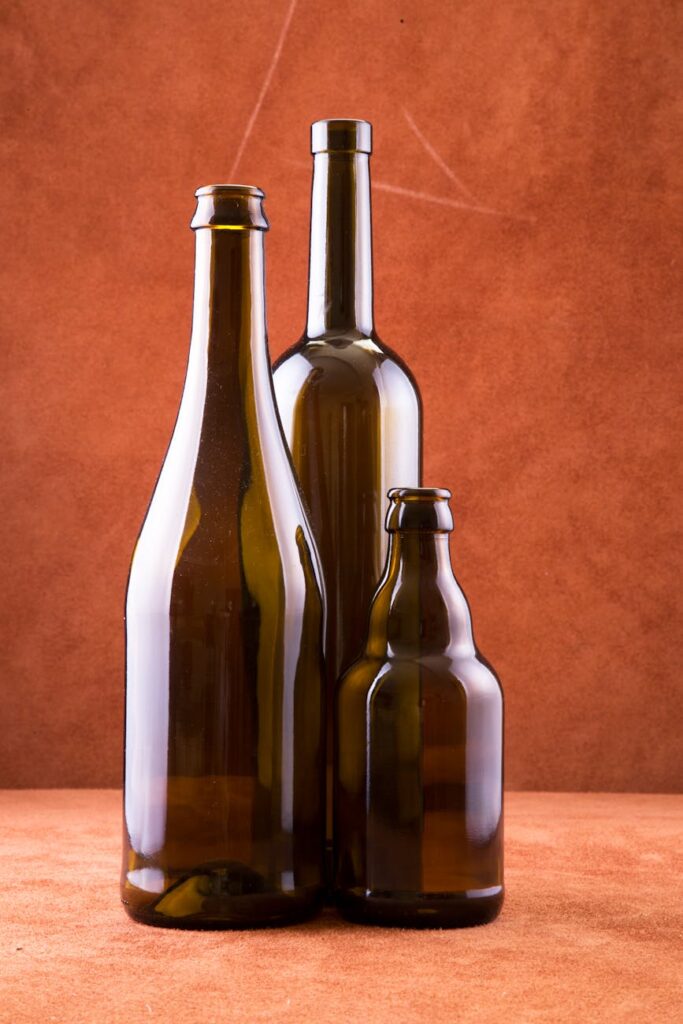
Choosing the right labeling solution for premium glass bottles is a critical decision that impacts both brand presentation and production efficiency. At GlassRock, we understand that every detail matters when it comes to packaging excellence. Whether you’re launching a craft beverage, gourmet food product, or pharmaceutical solution, the labeling method you select can significantly influence consumer perception and operational costs. The glass bottle industry offers two primary labeling technologies: wet-glue labels and self-adhesive labels. Each method brings distinct advantages depending on your production volume, budget constraints, and aesthetic goals. Understanding these differences empowers manufacturers to make informed decisions that align with their brand identity and operational requirements. Understanding Wet-Glue Label […]
AI Bottle Design and Glass Manufacturing: What Actually Works
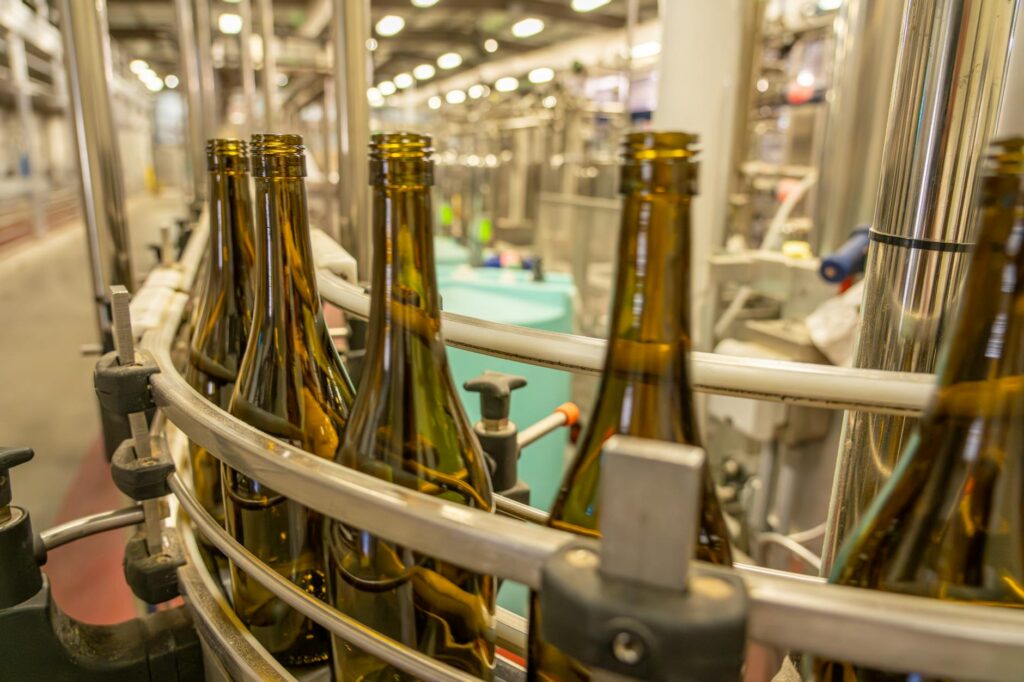
What AI design tools deliver for glass bottle concepts, the design-for-manufacture gap they cannot close, how a concept becomes a producible bottle, and where AI is already proven inside glass plants.
Custom Glass Bottles: The Complete Manufacturing Guide
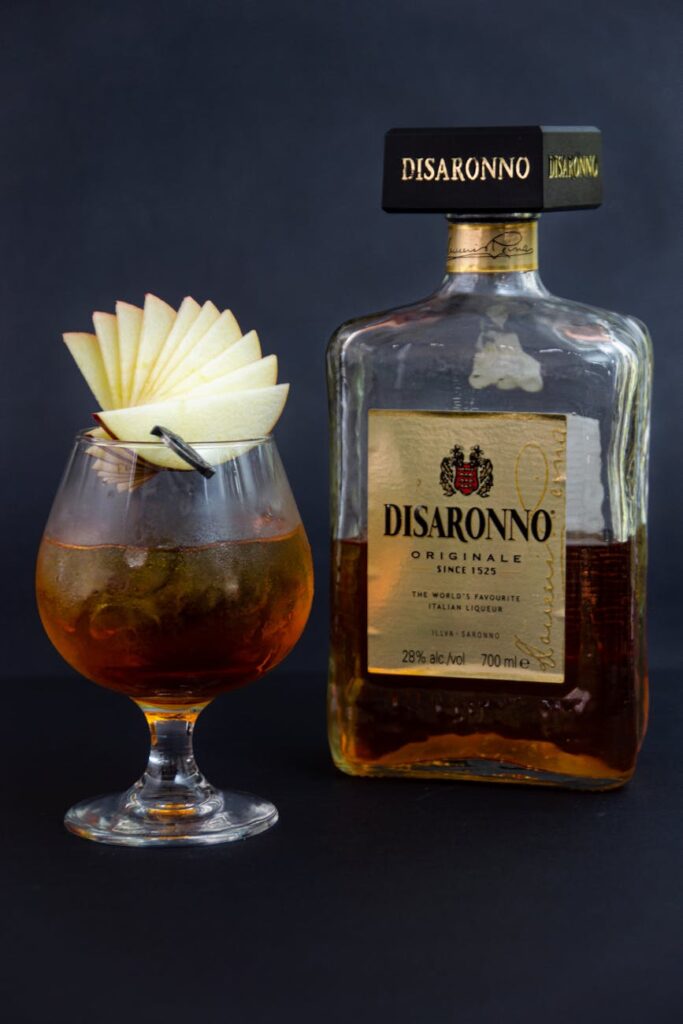
Everything a brand needs to commission a custom glass bottle: custom versus stock, the eight project stages, design-for-manufacture limits, mould cost and MOQ, colour, decoration, closures and the twelve-field brief.
Glass Bottle Freight Savings for US Importers

The logistics landscape for glass and ceramic bottle transport has undergone a dramatic transformation in 2025. Freight rates from Shanghai, China to the West Coast USA have plummeted by an astonishing 85%, creating unprecedented opportunities for beverage brands, food producers, and packaging distributors across North America. Understanding the 85% Drop in Glass Bottle Shipping Costs This remarkable decline in glass bottle transport costs stems from multiple converging factors in the global shipping industry. Container availability has increased significantly, while demand normalization following post-pandemic spikes has created excess capacity on transpacific routes. For businesses importing premium glass packaging from manufacturers like GlassRock, this shift represents a game-changing cost reduction. What previously […]
品質の良いガラス瓶のための適切な金型材料の選択
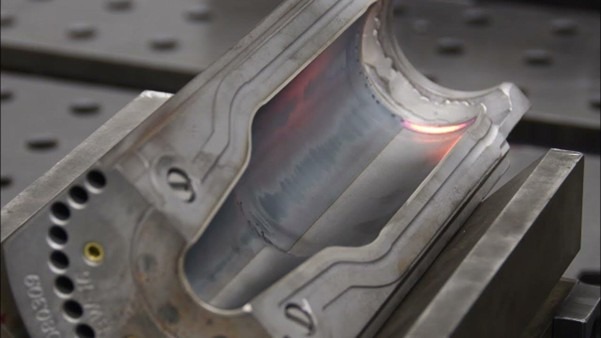
The glass bottle mold material you choose is one of the most underrated decisions a brand or buyer ever makes. Most clients focus on the bottle shape, the colour, the closure. Yet the metal poured into the mold cavity at over 1,100 °C is what really controls your unit cost, your reject rate, and the visual quality your customers will see on the shelf. At GlassRock, our in-house mold workshop has opened more than 2,500 custom molds since 2001, and the single biggest predictor of a successful production run is the mold material specification. This guide explains what we have learned, so you can ask the right questions before signing […]
ワインボトルの形状と熟成:デザインがワインに与える影響
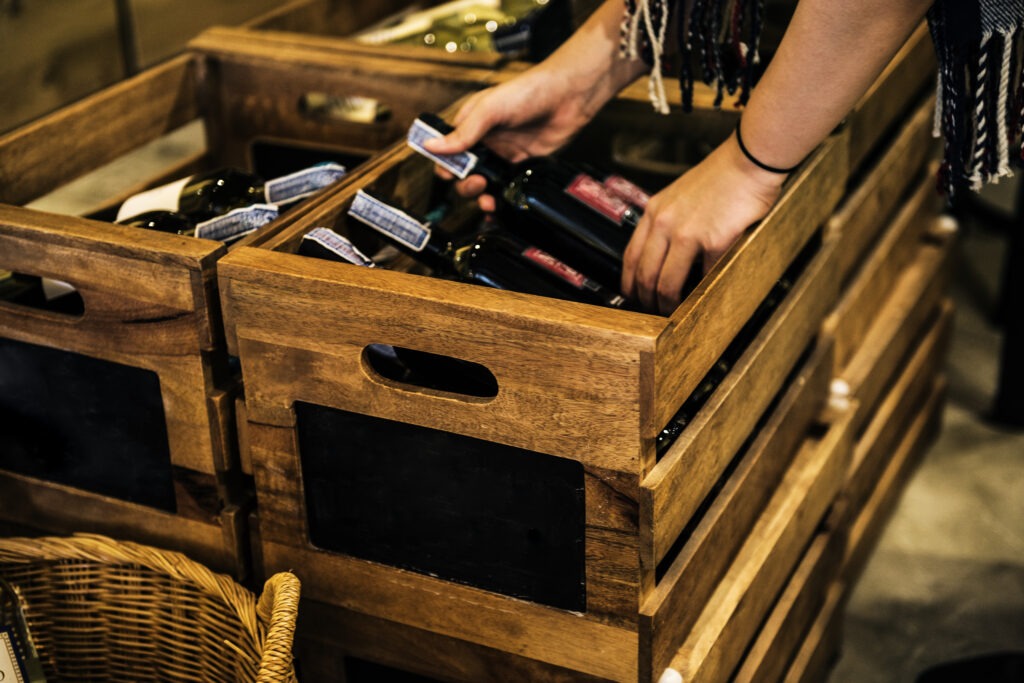
Pour two glasses of the same wine — one stored in a Bordeaux bottle, one in a Burgundy. Open them side by side after five years. You will likely notice differences in texture, colour depth, and aroma integration. Wine bottle shape aging is a genuine phenomenon, rooted in physics, geometry, and centuries of regional tradition. For producers, importers, and packaging buyers, understanding why different bottle silhouettes exist is both a quality decision and a commercial one. This guide covers the key variables. Why Bottle Shape Matters Beyond Aesthetics A glass bottle is not a passive container. It is an active participant in the aging process. Specifically, it governs how much […]
 English
 French
 Spanish
 Portuguese
 German
 Italian
 Japanese
 Korean
 Arabic
 Russian