
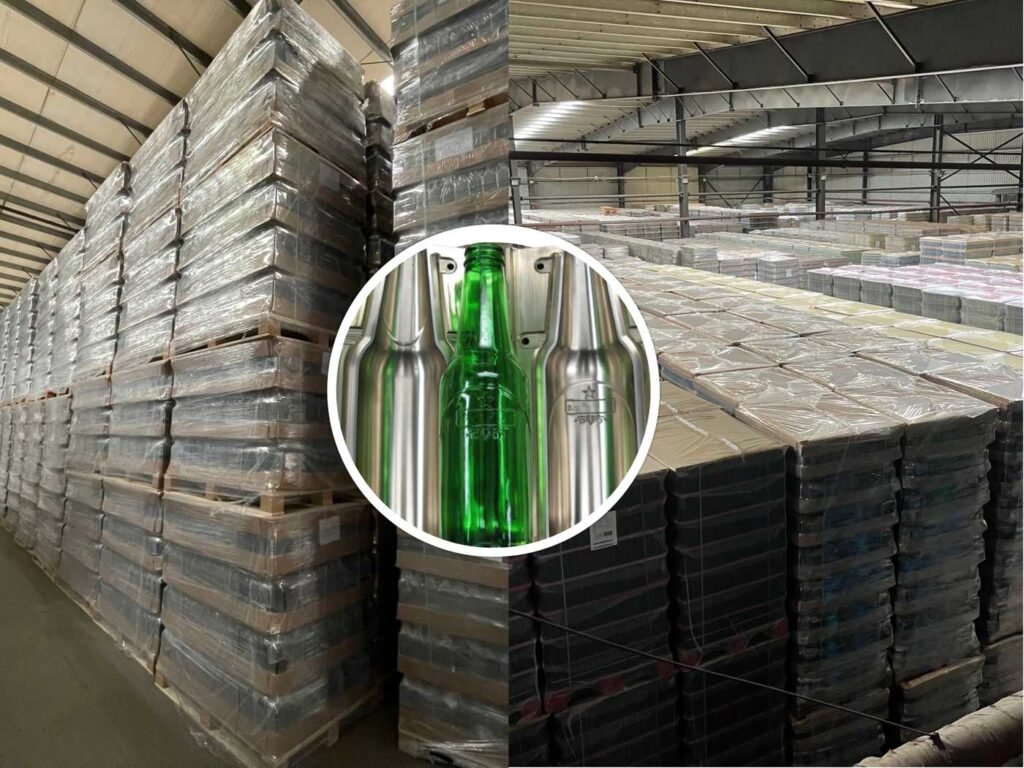
Glass Bottle Coatings: Hot End, Cold End and Anti-Scratch Protection Explained

Hot end and cold end coatings on glass bottles: what each one does, the temperature windows, CTU and friction specifications, returnable versus one-way, and how to verify quality.
4 oz and 8 oz Container Sizes: How Much They Hold and How to Choose the Right Jar

4 oz and 8 oz Container Sizes: How Much They Hold and How to Choose the Right Jar Four US fluid ounces equal 118.29 mL, half a US cup, or 8 tablespoons. Eight US fluid ounces equal 236.59 mL, exactly one US cup, or 16 tablespoons. These two capacities are among the most common glass jar and container sizes for food, cosmetics, candles and sampling. This guide covers the exact conversions, what fits inside each size, and how to choose between them for a packaging project. 4 oz and 8 oz jars drawn to scale: 118 mL equals half a cup, 237 mL equals one cup4 oz — 118.29 mL½ […]
L×W×H Explained: How to Read Length, Width and Height on Packaging
L×W×H Explained: How to Read Length, Width and Height on Packaging L×W×H — often typed LxWxH — means Length × Width × Height, always in that order. Length is the longest horizontal side, width is the shorter horizontal side, and height is the vertical dimension when the package sits in its normal position. A box listed as 30 × 25 × 35 cm is therefore 30 cm long, 25 cm wide and 35 cm tall. Round bottles and jars use a different convention: diameter × height. Length (L) — longest side Width (W) Height (H) The standard L×W×H convention: length, then width, then height. What order do the numbers go […]
Glass Bottle Pallet Load Calculator | Bottles per Pallet

Calculate bottles per layer, layers per pallet and bottles per container using real bottle dimensions, pallet constraints, separator type, container door height and weight limits. A reliable glass bottle pallet calculation cannot be reduced to length times width times height. A production-ready estimate must compare several packing methods, check whether the loaded pallet can pass through the container door, control gross weight and produce figures that a sales or logistics team can use in a quotation for spirits bottles, wine bottles or custom glass packaging. This guide explains the logic behind a Glass Bottle Pallet Load Calculator for round, square and rectangular glass bottles. For SEO and quotation work, this […]
Bottle Closure Types: The Complete Neck Finish Compatibility Guide

Every glass bottle closure family, how to read a GPI finish code such as 28-400 or 28-410, liner selection, application torque, and a six-step compatibility check to run before you cut a mould.
Glass Bottle MOQ Guide: Stock vs Private Mold Minimums

Understand glass bottle MOQ: how stock and private molds set minimums, what drives the numbers, and how to keep your first order lean.
How Glass Bottles Are Made: The Complete Production Process

From silica sand to a packed pallet in 24 to 36 hours. The eight stages of container glass production explained: batch, furnace, gob, IS machine forming, annealing, coatings, inspection and palletising.
mL to oz Converter — US and UK Fluid Ounces
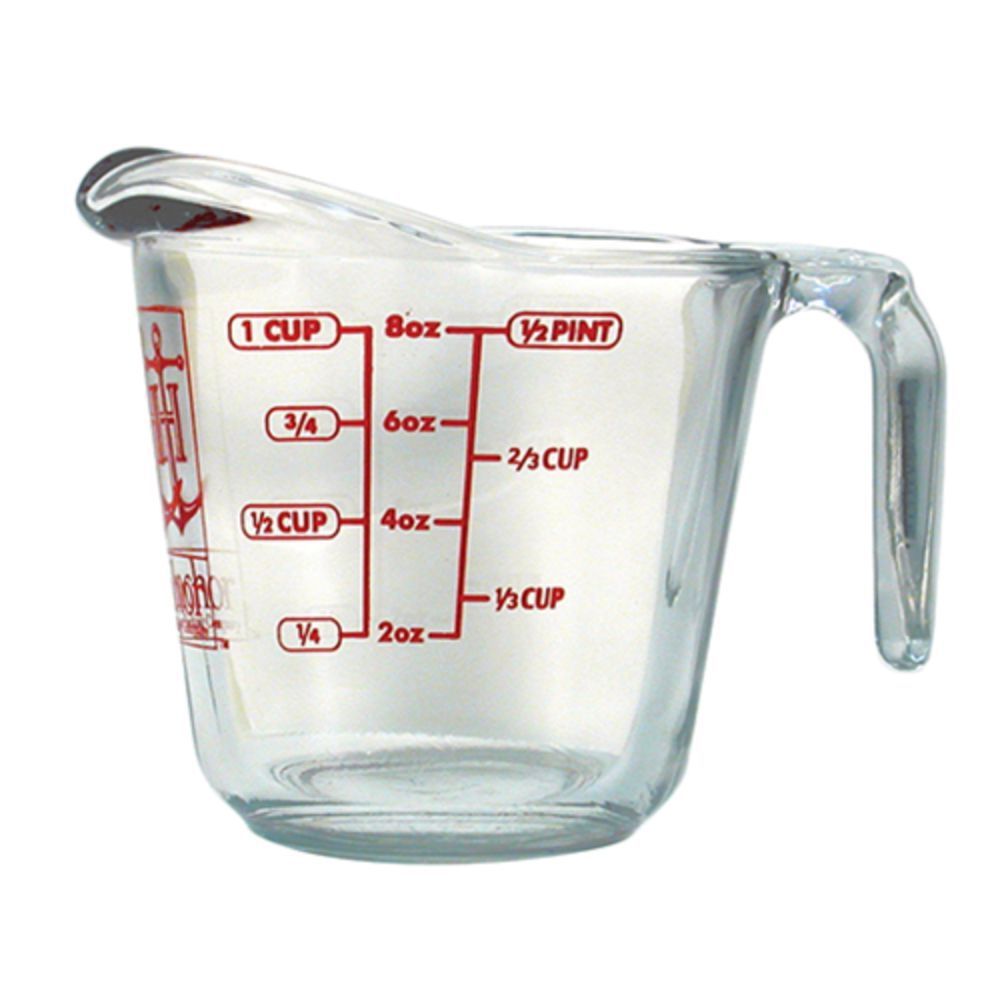
mL to oz Converter — US and UK Fluid Ounces To convert milliliters to US fluid ounces, divide the number of milliliters by 29.5735295625. To convert milliliters to imperial fluid ounces, divide by 28.4130625. The converter below handles any mL to oz — or oz to mL — value instantly. GlassRock volume tools mL ↔ oz converter Enter a value ⇅ From Milliliters — mLLiters — LUS fluid ounces — US fl ozImperial fluid ounces — imp fl oz To Milliliters — mLLiters — LUS fluid ounces — US fl ozImperial fluid ounces — imp fl oz Decimals 0123456 Convert Copy result Reset 350 mL = 11.83 US fl oz […]
Liquor Bottle Sizes: Complete Guide from Miniatures to Handles

Every liquor bottle size explained — from 50 ml minis to 1.75 L handles. A full mL-to-oz chart for spirits and wine, plus what each size is used for.
Glass Bottle Colors and UV Protection: A Complete Guide

Glass bottle colors are not just a styling choice. In fact, color decides how much ultraviolet and visible light reaches your product. That, in turn, controls flavor, shelf life, and the strength of sensitive ingredients. So before you pick a tint for its looks, it helps to know what each color actually protects against. This guide compares the main glass bottle colors, ranks them by UV protection, and shows how to choose the right one for beer, olive oil, skincare, and spirits. Why Light Damages What’s Inside the Bottle Light drives two kinds of damage. First, ultraviolet (UV) radiation carries enough energy to break chemical bonds directly. Second, visible blue […]
 English
 French
 Spanish
 Portuguese
 German
 Italian
 Japanese
 Korean
 Arabic
 Russian