
What Is Borosilicate Glass? Properties, Uses and When You Actually Need It
Borosilicate glass is a type of glass that contains boron trioxide (typically about 13%), which gives it a very low coefficient of thermal expansion — roughly 3.3 ppm/°C, about one-third that of ordinary soda-lime glass. Because it barely expands when heated, it resists thermal shock exceptionally well, along with being chemically durable and optically clear. That is why it is the glass of laboratory beakers, pharmaceutical vials and premium cookware. It also costs more and melts at a higher temperature than soda-lime glass, which is exactly why the overwhelming majority of bottles and jars are not made from it.
What is borosilicate glass?
Borosilicate glass is a silicate glass in which boron trioxide (B2O3) is a major component alongside silica. It was developed in the 1890s by the German glassmaker Otto Schott, and became famous under brand names like Duran, Schott and — historically — Pyrex. The addition of boron does one thing above all: it makes the glass expand far less when its temperature changes, which cascades into the heat resistance, chemical resistance and clarity the material is prized for.
It is worth being precise, because “borosilicate” is often used loosely as a synonym for “high-quality glass.” It is a specific composition, not a quality grade. Plenty of excellent glass — including most premium spirit and perfume bottles — is soda-lime, not borosilicate.
What it is made of
All common glass is built on a backbone of silica (silicon dioxide, from sand). The difference between glass types is what else goes into the melt. We cover the full recipe and melting process in how glass bottles are made; here is how the two families compare:
| Component | Soda-lime glass | Borosilicate glass | Role |
|---|---|---|---|
| Silica (SiO2) | ~72% | ~80% | The glass network former |
| Boron trioxide (B2O3) | — | ~13% | Lowers thermal expansion; the defining ingredient |
| Soda (Na2O) | ~14% | ~4% | Flux — lowers the melting temperature |
| Lime (CaO) | ~10% | — | Chemical durability in soda-lime |
| Alumina (Al2O3) | ~2% | ~2–3% | Durability and structure |
The trade-off is visible in that table. Borosilicate contains far less soda, and soda is the flux that makes glass melt at a workable temperature. Less flux means borosilicate has to be melted hotter — which is the root of its higher cost and energy use.
The defining property: low thermal expansion
The single number that explains borosilicate is its coefficient of thermal expansion (CTE): how much it grows when heated. Boron knits the silica network more tightly, so the glass moves very little across a temperature change.
Why does that matter? Glass breaks from thermal shock — a fast temperature change that makes one face expand while the other resists, cracking the surface under tension. The less a glass expands, the less stress a given temperature jump creates. Ordinary soda-lime glass tolerates a sudden change of only about 40 °C; borosilicate handles about 170 °C. That is the whole reason a borosilicate beaker can go from a flame to a cold bench, and an ordinary jar cannot. We explain the mechanism in full in the guide to whether glass is microwave, oven and freezer safe.
Borosilicate vs soda-lime vs tempered glass
These three are constantly confused, and the confusion matters because it changes what you should buy. The key distinction: tempered glass and borosilicate reach heat resistance by completely different routes.
| Annealed soda-lime | Tempered soda-lime | Borosilicate | |
|---|---|---|---|
| How heat resistance is achieved | None added | Physically — heat-treated surface compression | Chemically — low expansion from boron |
| Thermal shock tolerance | ~40 °C | ~125 °C | ~170 °C |
| Impact strength | Standard | High | Standard |
| Breakage pattern | Sharp shards | Small blunt cubes | Sharp shards |
| Relative cost | Lowest | Medium | Highest |
| Typical use | Bottles, jars | Oven dishes, tumblers, US Pyrex | Lab, pharma, European Pyrex |
This is also the answer to the perennial Pyrex question. Since 1998, US-made Pyrex has been tempered soda-lime glass; European Pyrex is still borosilicate. Both are oven-safe, but a US Pyrex dish resists a sudden temperature change less than a European one — a real, if rarely-mentioned, difference.
Its other properties: chemical, optical, mechanical
Low expansion is the headline, but borosilicate earns its place for two more reasons.
Chemical durability. Borosilicate is highly resistant to water, acids and most solvents, releasing very little into whatever it holds. This is why it defines pharmaceutical “Type I” glass for injectable drugs, and why it is standard for laboratory reagent bottles — the container must not contaminate the contents.
Optical clarity. Borosilicate can be made very clear and colourless, with high light transmission and low distortion. That serves lab work, lighting and sight glasses. It is worth noting, though, that soda-lime glass can also be made beautifully clear as extra-flint glass — clarity alone is not a reason to reach for borosilicate.
Mechanical behaviour. Here borosilicate is not superior: its impact resistance is similar to ordinary annealed glass, and unlike tempered glass it shatters into sharp shards. If your priority is surviving drops rather than heat, tempered soda-lime is the tougher choice.
Where borosilicate glass is used
- Laboratory glassware — beakers, flasks, test tubes, reagent bottles that face heat and aggressive chemistry.
- Pharmaceutical packaging — Type I vials, ampoules and cartridges for injectables, where leaching must be near-zero.
- Premium cookware and bakeware — European Pyrex, Duran, measuring jugs, teapots and coffee carafes.
- Lighting and optics — high-power lamp envelopes, flashlight lenses, telescope mirror blanks.
- Specialty and premium packaging — a small number of high-end perfume, cosmetic and spirit presentations use it for its clarity and feel, though this is the exception, not the rule.
Why most bottles and jars are not borosilicate
Given how good borosilicate sounds, the obvious question is why nearly every bottle and jar on a shelf is soda-lime. There are four solid reasons.
- Cost. Boron is an expensive raw material, and borosilicate can cost several times more than soda-lime per container.
- Energy and melting temperature. With less soda flux, borosilicate melts hotter, consuming more energy and running production lines slower — the opposite of what high-volume packaging needs.
- It is usually unnecessary. A cold-filled spirit, sauce, serum or beer never experiences thermal shock or aggressive chemistry. The borosilicate advantage would sit entirely unused while you pay for it.
- Sustainability. Soda-lime glass accepts a high proportion of recycled cullet, cutting energy and CO2; borosilicate does not fit that recycling stream (see below).
For the vast majority of food, beverage and cosmetic packaging, well-made soda-lime glass — correctly designed, annealed and coated — is the right answer. The engineering that makes a soda-lime bottle robust is a design question, covered in the custom glass bottle guide.
Is borosilicate glass safe?
Yes. Borosilicate is chemically inert, does not leach meaningfully into food or drink, and contains no BPA or plasticisers — those are concerns for plastics, not glass. It is trusted for injectable pharmaceuticals precisely because it is one of the most non-reactive container materials available. The same is true of good soda-lime glass for ordinary food and beverage use: both are inert, both are free of the leaching concerns associated with plastic packaging.
Borosilicate and recycling
This is the counter-intuitive part. Because borosilicate melts at a higher temperature, it must not be mixed into normal glass recycling. Even a small amount of borosilicate contaminates a soda-lime cullet batch, creating defects and unmelted inclusions. So oven dishes, lab glass and Pyrex are generally not accepted in kerbside glass collection and are handled separately. It is a genuine environmental mark against borosilicate for single-use packaging, and another reason soda-lime dominates.
Do you actually need it for your product?
A simple rule covers most cases. Specify borosilicate if your product will be heated in the container, subjected to rapid temperature cycling, sterilised at high temperature, or is chemically aggressive (strong acids, certain essential oils, injectable pharmaceuticals). Stay with soda-lime if your product is cold-filled or gently hot-filled and simply needs to look and feel premium — which describes almost all spirits, wine, beer, sauces, cosmetics and perfumes.
If you are unsure, the deciding factors are the fill and use temperatures and the chemistry of the contents. Tell your glass manufacturer those, and the right material follows. GlassRock manufactures primarily high-quality soda-lime bottles and jars, including high-clarity extra-flint for brands that want borosilicate-like clarity without the cost, and will advise honestly when a project genuinely calls for borosilicate instead.
Frequently asked questions
What is borosilicate glass in simple terms?
It is glass made with boron trioxide added to the usual silica base. The boron makes the glass expand very little when heated, so it resists sudden temperature changes and chemical attack far better than ordinary glass. It is what laboratory beakers, pharmaceutical vials and premium cookware are made of.
Is borosilicate glass safe for food and drink?
Yes. It is chemically inert, does not leach into contents, and contains no BPA or plasticisers — those are plastic concerns, not glass ones. It is trusted for injectable medicines precisely because it is so non-reactive.
What is the difference between borosilicate and tempered glass?
They achieve heat resistance differently. Tempered glass is ordinary soda-lime glass heat-treated to compress its surface, which triples its thermal shock tolerance and makes it tougher against impact. Borosilicate instead contains boron, giving it low thermal expansion and even higher thermal shock tolerance — but ordinary impact strength.
Is borosilicate glass microwave and oven safe?
Yes. Its low thermal expansion makes it one of the most oven- and microwave-safe glasses available, tolerating sudden temperature changes of around 170 °C. As with any glass, avoid direct flame or broiler contact and never place hot glass on a cold, wet surface.
Is Pyrex borosilicate glass?
It depends where it was made. European Pyrex is still borosilicate; US-made Pyrex has been tempered soda-lime glass since 1998. Both are oven-safe, but the European borosilicate version withstands larger, faster temperature swings.
Why is borosilicate glass more expensive?
Two reasons: boron is a costly raw material, and with less soda flux the glass melts at a higher temperature, using more energy and slowing production. For products that never need its heat or chemical resistance, that extra cost buys nothing.
Can bottles be made from borosilicate glass?
Yes, and some pharmaceutical and specialty bottles are. But for food, beverage and cosmetic packaging it is rarely worth it: the product is cold-filled and never stresses the glass thermally, so soda-lime — cheaper, greener and available in high-clarity flint — is almost always the better choice.
Is borosilicate glass recyclable?
Technically yes, but not through normal glass recycling. Its higher melting point means it contaminates the soda-lime cullet stream, so oven dishes, lab glass and borosilicate cookware are usually excluded from kerbside collection and must be recycled separately.
Does borosilicate glass contain lead?
No. Standard borosilicate glass contains no lead. Lead is found in leaded crystal, a different glass made for decorative sparkle, not in the borosilicate used for lab, pharmaceutical or cookware applications.
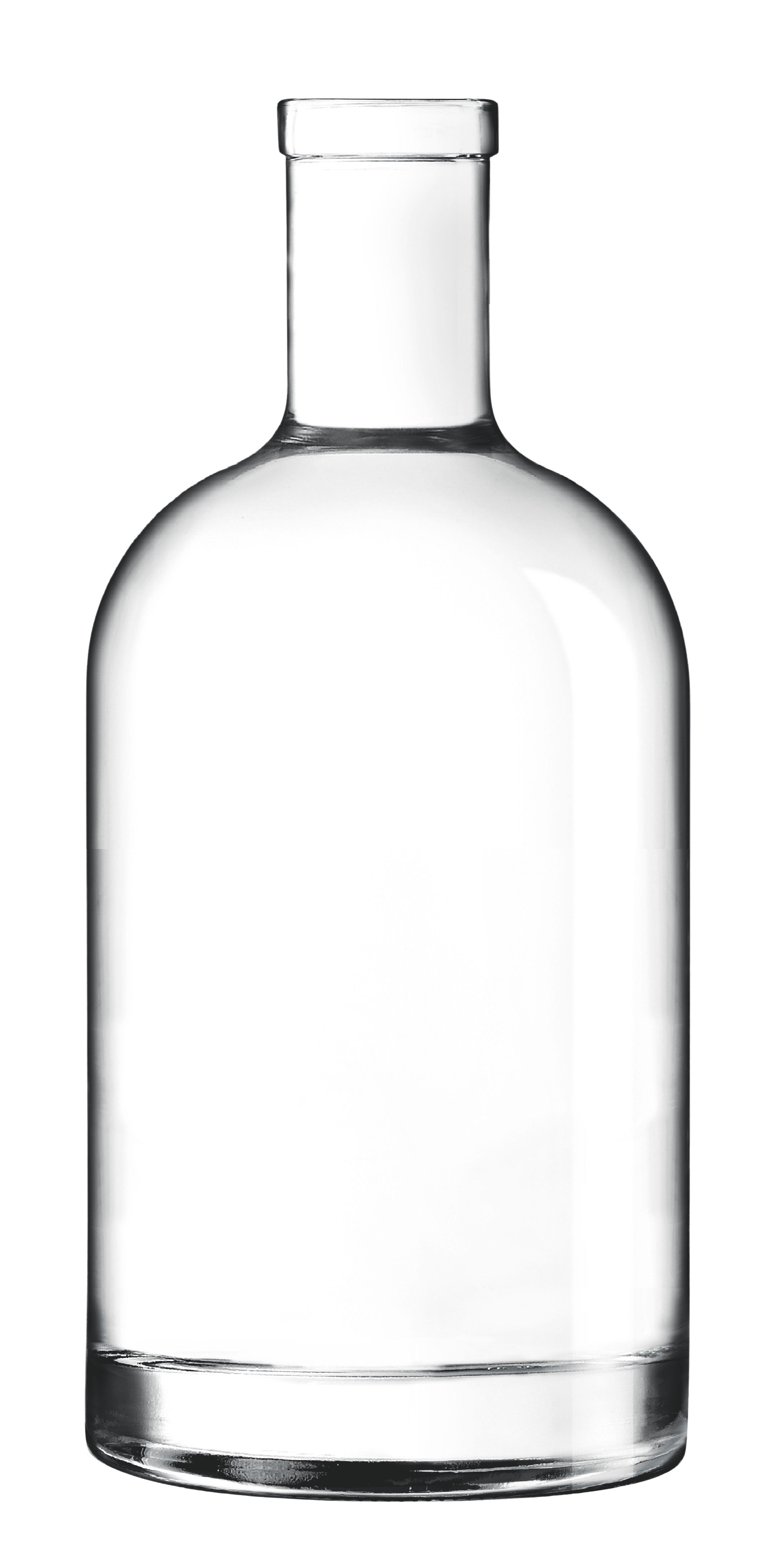
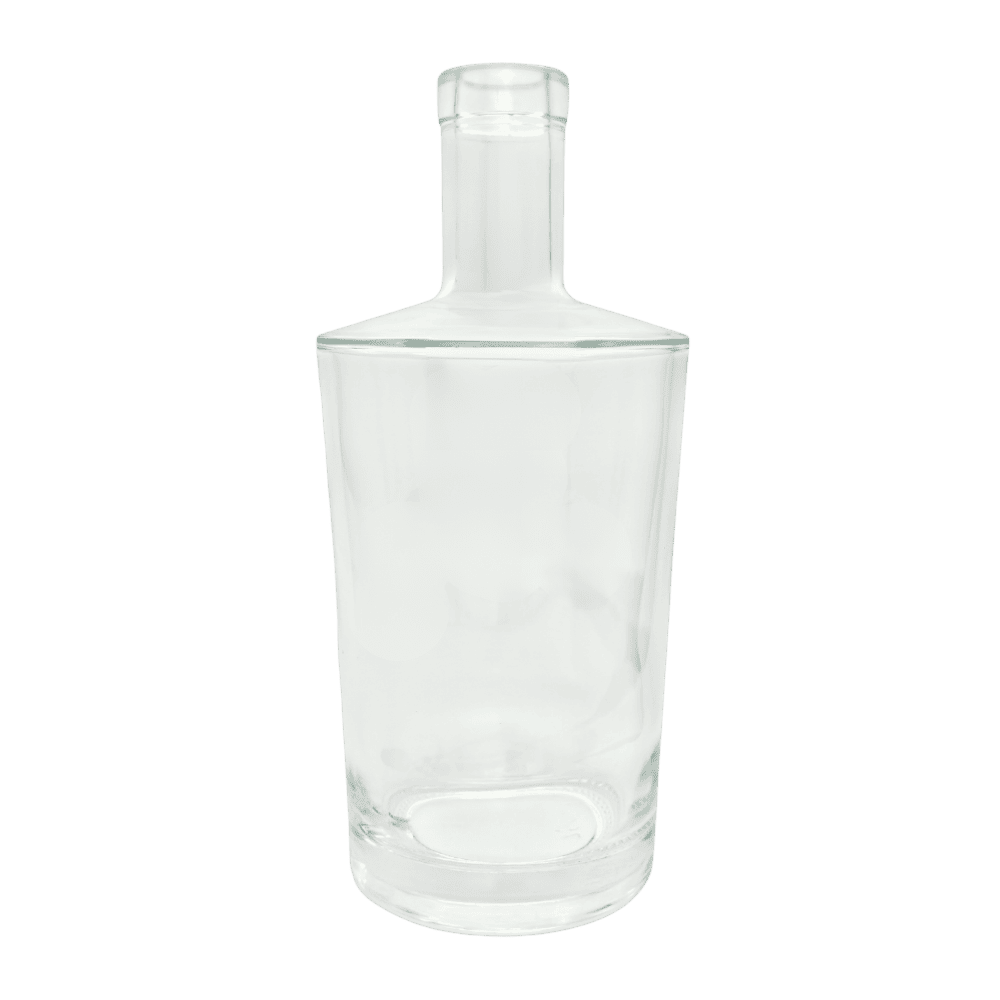
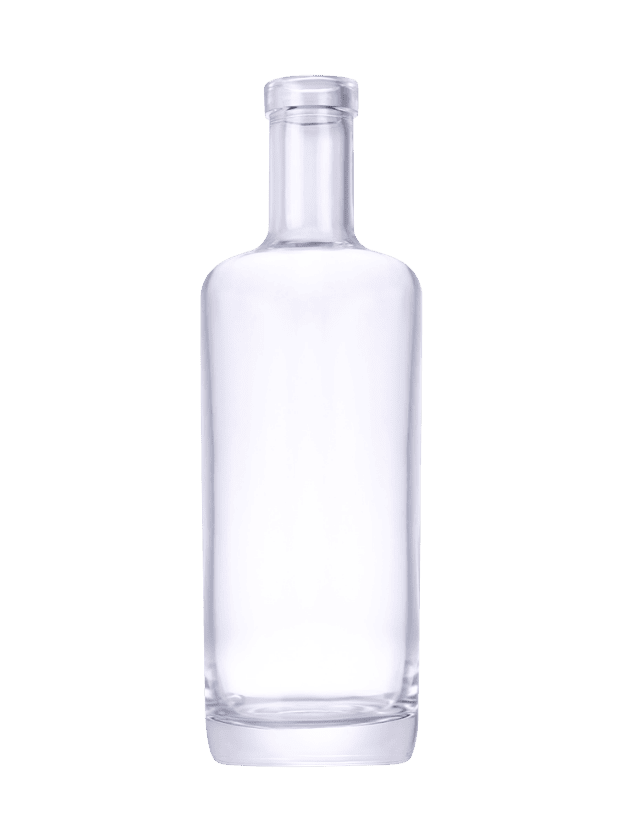
High-clarity flint bottles by GlassRock
Related guides
- How glass bottles are made: the complete production process
- Is glass microwave, oven, dishwasher and freezer safe?
- The different grades of flint glass in bottle production
- Glass bottle coatings: hot end, cold end and anti-scratch
- Custom glass bottles: the complete manufacturing guide
- Liquor bottle sizes: the complete reference
 English
 French
 Spanish
 Portuguese
 German
 Italian
 Japanese
 Korean
 Arabic
 Russian