
This guide is written for brand owners and buyers — in spirits, wine, beer, perfume, food and beverage — who are seriously comparing factories to produce custom glass bottles in China. By the end you will understand the full path a manufacturer should handle, from first sketch to a loaded export container, and how to judge one supplier against another.
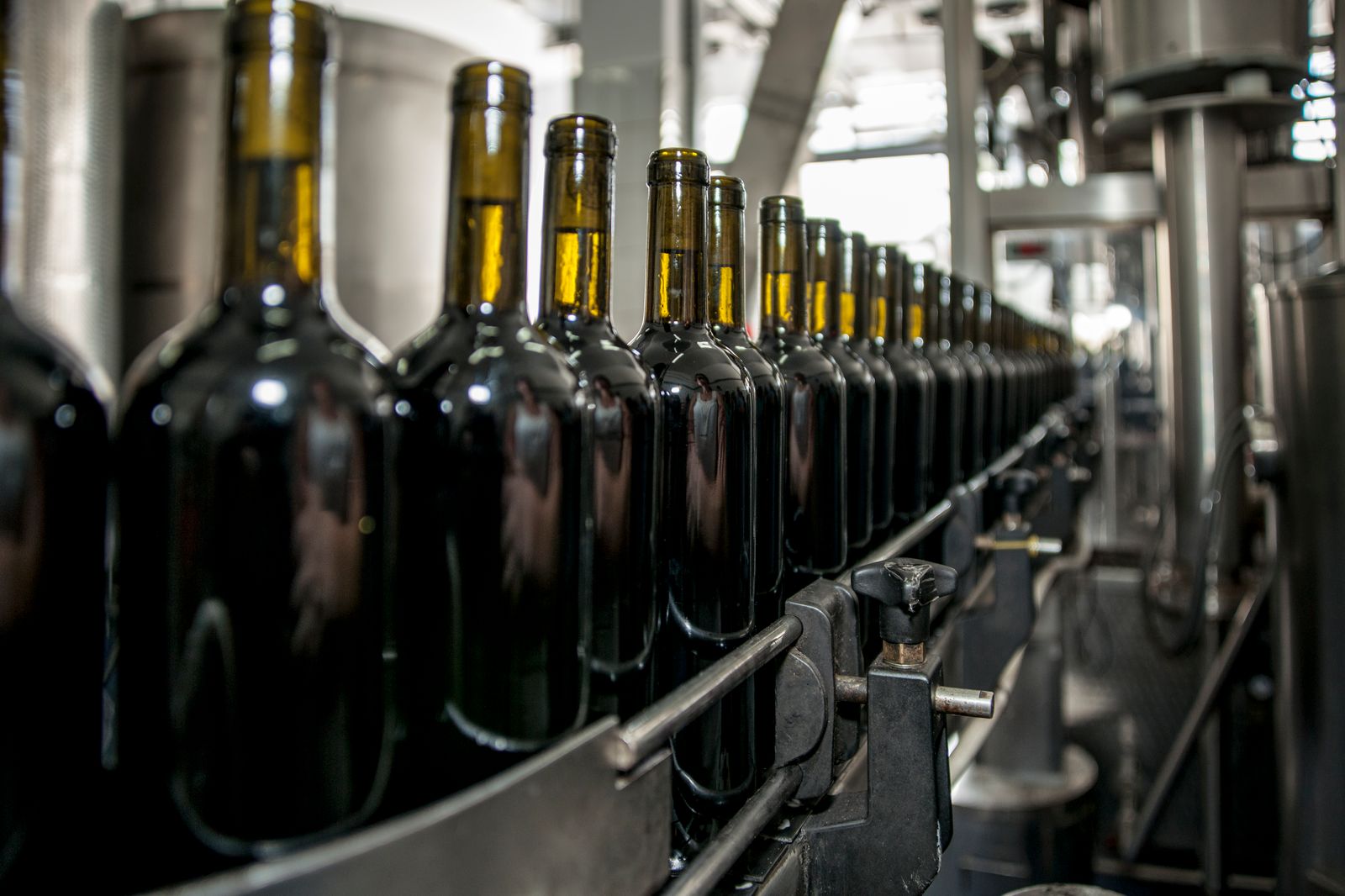
You will learn how a Chinese manufacturer:
- integrates the bottle, the closure and the labeling into one ready-to-fill packaging solution;
- reduces breakage and shipping cost — for example through anti-scratch surface coatings and glass-weight optimization;
- compares China vs. Europe on price, lead time and flexibility;
- and where Glassrock is genuinely different — mixing several designs in a single container, anti-scratch options at low MOQ, and container-scale execution.
This is a decision page, not a brochure. It links out to independent references such as FEVE on glass as a permanent, infinitely recyclable material, and internally to our custom bottle collection.
What a Custom Glass Bottle Manufacturer in China Actually Does
A genuine custom manufacturer is a one-stop partner that owns the project from design to export delivery. The core responsibilities are:
- Bottle design — technical CAD drawing, structural study (wall thickness, weight, center of gravity) and surface-finish planning (coating, frosting, decoration).
- Mold making — machining a metal mold for the blow-and-blow or press-and-blow forming process, built to the approved drawing. The mold belongs to the buyer.
- Sampling — producing pre-series samples so you validate shape, glass grade and decoration before committing to mass production.
- Decoration & finishing — printing, screen printing, engraving or labeling to your brand spec, plus supply of caps/closures and labels if required.
- Assembly & export logistics — container-load optimization, secure packing and palletizing, and FOB/CIF shipping to your destination port.
Instead of coordinating a glass supplier, a decorator and a freight forwarder separately, you deal with a single party that runs the whole chain: forming, decoration and logistics. This integrated-factory model shortens lead times and removes hand-off risk.
Stock vs. Semi-Custom vs. Full-Custom
The first decision is how custom you actually need to be:
- Stock bottles — standard catalog shapes. No mold to make, so the shortest lead time and lowest up-front cost. Ideal for testing a market or launching fast. Limited design freedom.
- Semi-custom — a light modification of an existing mold (changing engraving, glass color, or adjusting the shape). Lower mold cost and moderate lead time, with a more distinctive look than pure stock.
- Full-custom — a brand-new shape built from scratch. A new mold is machined to your exclusive drawing, which adds a mold cost and 2–3 weeks of mold making, but delivers a bottle that is 100% yours.
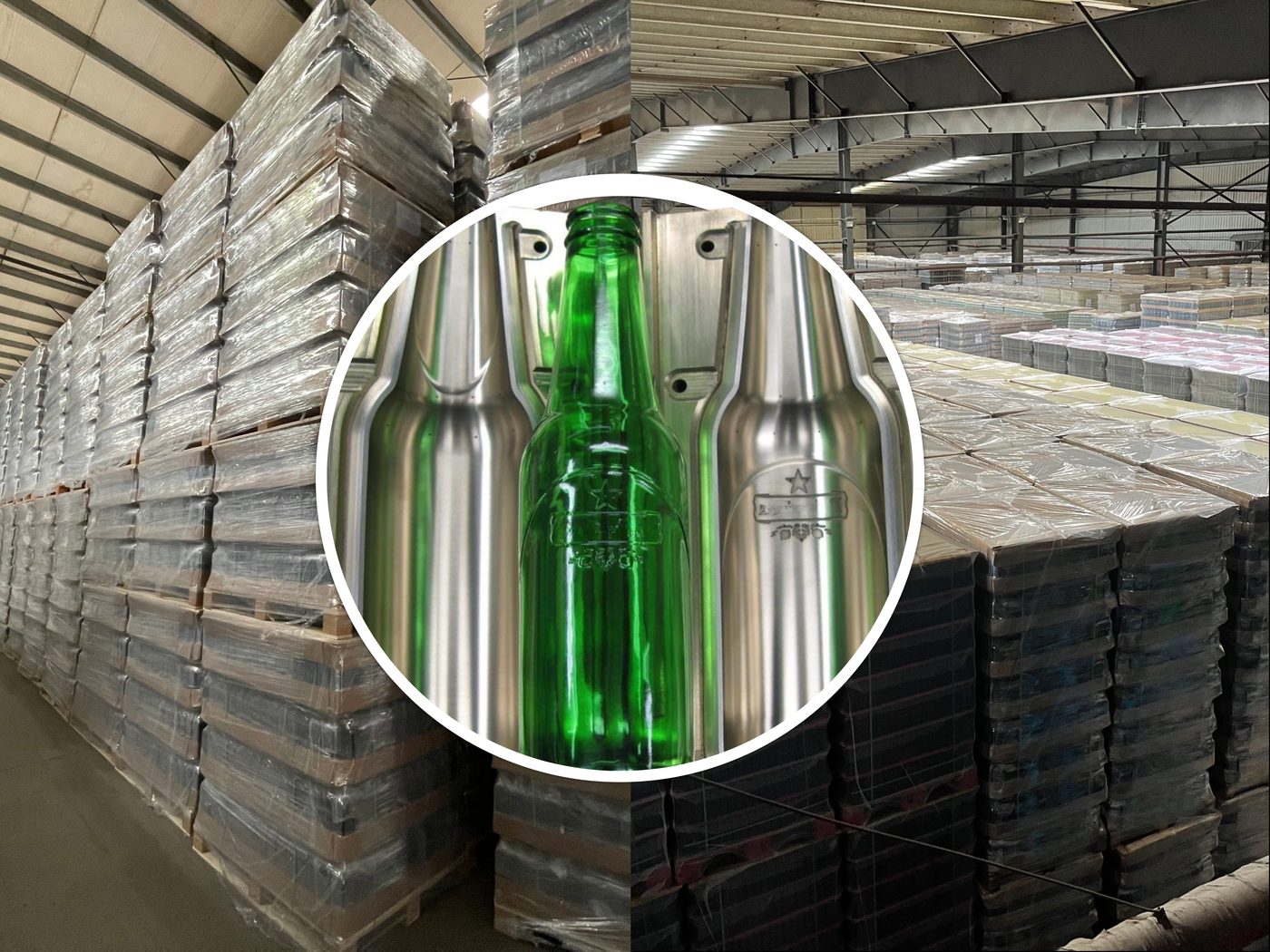
Glassrock covers all three. The rest of this guide focuses on full-custom, because that is where buyers ask the hardest questions: how much does it cost, how long does it take, and what is the minimum quantity?
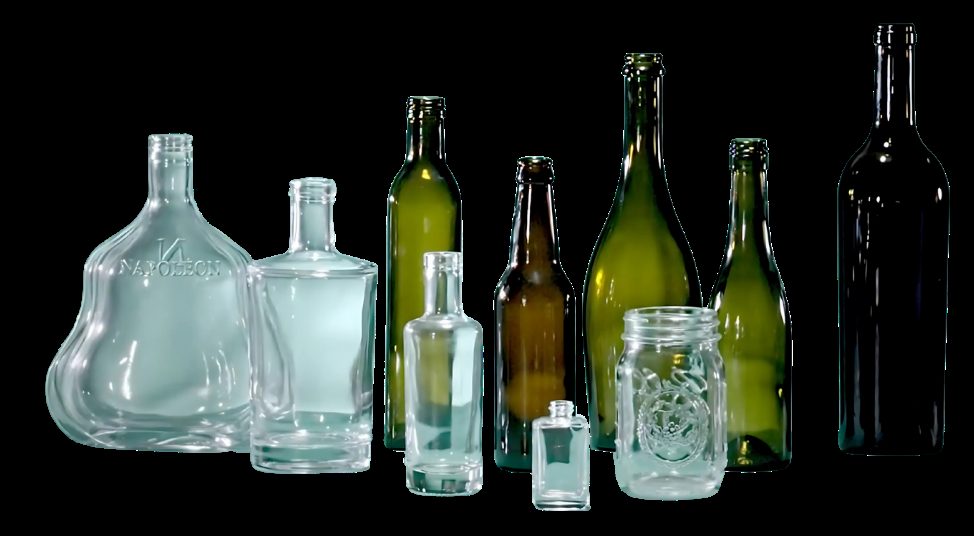
How Much a Custom Bottle Project Really Costs
Project cost breaks down into a few clear line items:
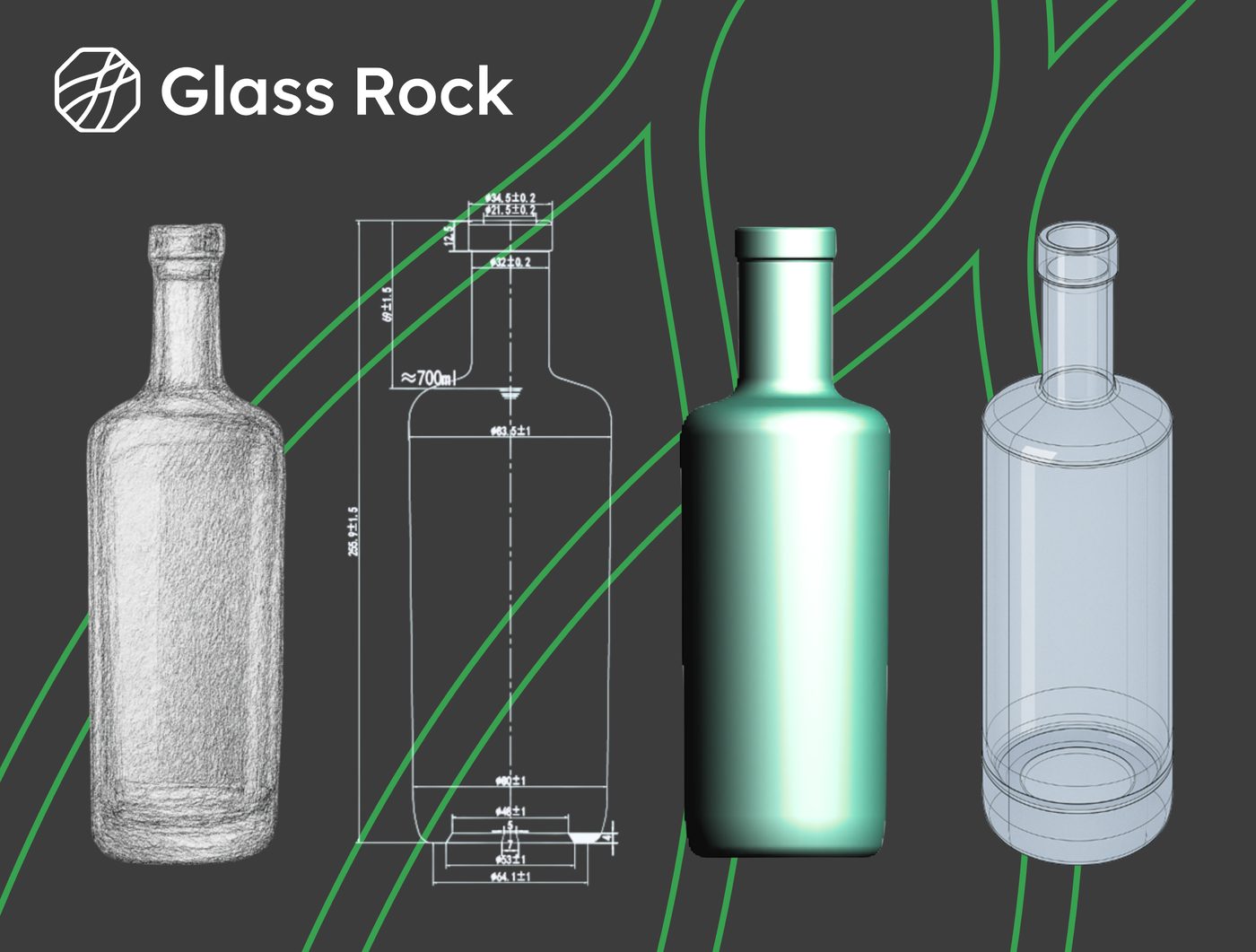
- Design (CAD) — the initial technical drawing and 3D render is free once the project is committed (new clients leave a refundable $100 deposit, returned when the mold is opened). Turnaround is typically about 3 days for a simple shape and up to 2 weeks for a complex design.
- Mold & first sample — for a standard spirits bottle, a production mold plus one approved first sample delivered to you costs around $1,800 (mold + first prototype + international delivery). Optionally, before opening the production mold, you can order a lower-cost sample mold at about $900 to confirm the sample first — a cheaper way to validate the project before committing to the full mold. The mold and sample are your exclusive property, and we can sign an NDA to protect your design.
- Unit price (mass production) — driven by volume, design (weight, complexity) and finishing (color, printing). As a guide, 700 ml flint bottles can start around $0.49/unit — a 40′HQ container holds roughly 26,000–28,000 of these bottles.
- Mix & flexibility — you can combine up to three designs (and their accessories — closures, labels, boxes) in one 40′HQ when their unit weights are within ~100 g of each other. Below standard MOQ, a modest surcharge can bring the floor down to 6,000 bottles per design, provided two designs together fill a 20′ container. One pallet of accessories can usually ride along in the container at no extra cost, even if the bottle count is adjusted slightly — the goal is always to fill the container.
- Finishing & packaging — self-adhesive labels, cartons, gift boxes and branding elements (aluminum capsules, wax, display cases) can ship with the bottles for a turnkey delivery. We confirm the exact bottle count per layer and per pallet before production to maximize container efficiency.
MOQ by Bottle Type, Glass Grade and Decoration
Minimum order quantity is the question most buyers get a vague answer on. Here is the honest version. MOQ depends mostly on bottle size and weight, because what really matters is filling the container. The standard MOQ is one 20′ container per reference; a full 40′HQ holds roughly 26,000–28,000 bottles. As a result, the smaller the bottle, the higher the piece count needed to fill the same space:
| Bottle size | Approx. MOQ (one 20′ / reference) | Notes |
|---|---|---|
| 50 ml (miniature) | ~30,000 bottles | Many units fit per container |
| 500 ml | ~18,000 bottles | Varies with glass weight |
| 700 ml (standard spirits) | ~12,000 bottles | A full 40′HQ holds ~26,000–28,000 |
Flexibility. Glassrock will go below the standard floor — down to 6,000 bottles per design, for a small surcharge — when two designs together fill one 20′. It is also generally fine to include one pallet of accessories (closures, labels, boxes) in the container at no extra cost, even if the bottle count is adjusted slightly to make room — the priority is always to fill the container efficiently. Up to three similar-weight designs (unit weights within ~100 g) can share a single 40′HQ.
Glass grade and decoration level shift the unit price more than the MOQ: extra-flint and heavy decoration raise cost per bottle, while lightweight glass lowers material and freight cost. See our guide on the different grades of flint for glass bottles for the trade-offs.
From Drawing to Mold to Sample to Mass Production
A typical full-custom timeline runs as follows:
| Stage | Duration | What happens |
|---|---|---|
| 1. Design validation | 1–2 weeks | 3D revisions and client approval (faster for simple shapes) |
| 2. Mold making | 2–3 weeks | Machining and polishing the metal mold |
| 3. Sampling | ~1 week | Pilot run of sample bottles for validation |
| 4. Sample shipping | 10–15 days | FOB or DDP to your address |
| 5. Mass production | 2–3 weeks | Full container run once the sample is approved |
| 6. Sea freight | ~30 days | Transit time depends on destination |
In practice, expect about 45 days from confirmed order to first sample, and roughly 2 to 3 months end-to-end for the first complete container delivery.
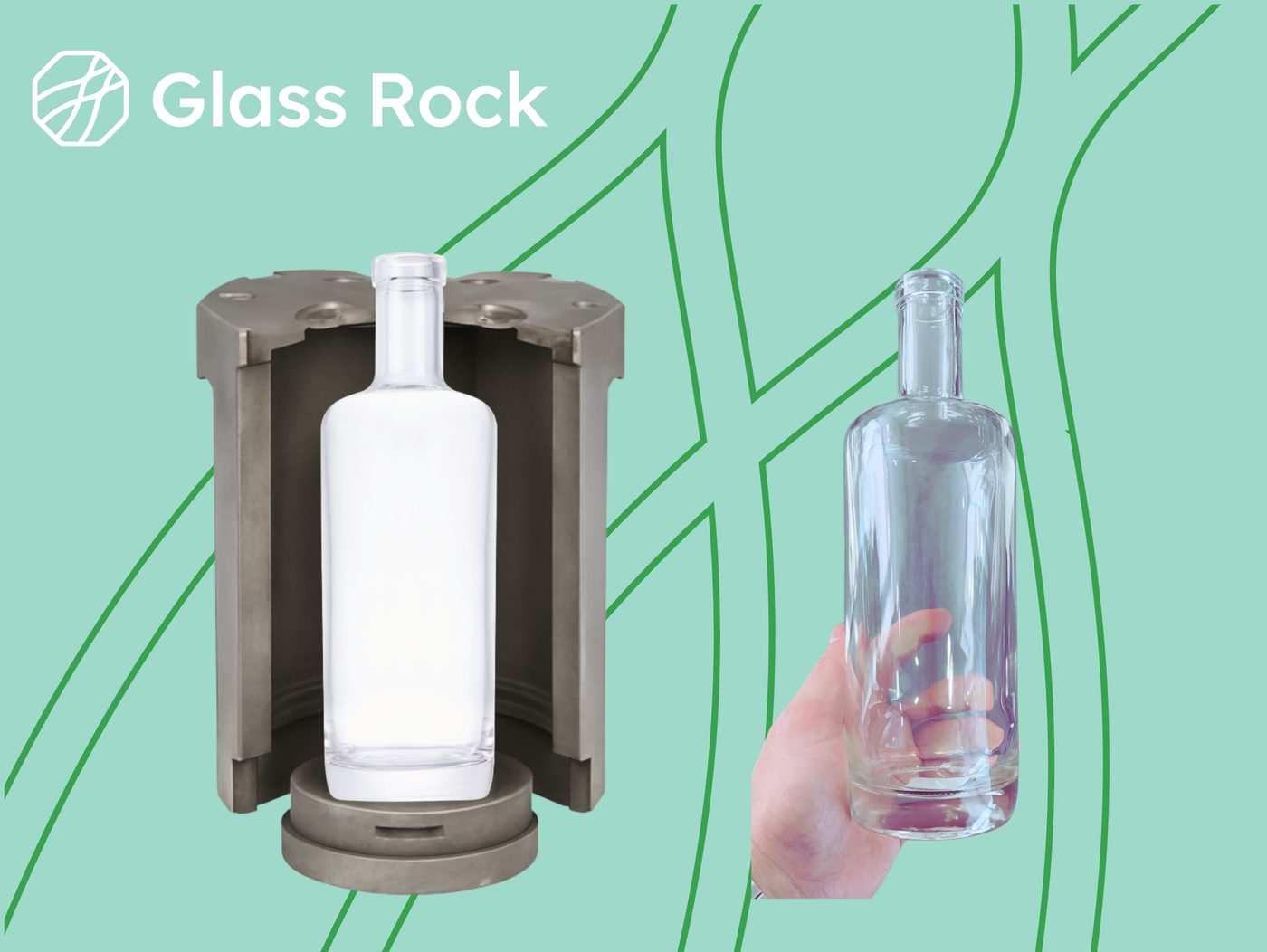
Decoration, Closures and Labeling as One Integrated Packaging System
Glassrock treats decoration as a complete pack system, not a bottle in isolation. For a premium perfume or spirits project, we coordinate the surrounding cluster of accessory and decoration workshops alongside the bottle we produce — the closure (cork, metal or custom plastic) and the label (self-adhesive or screen-printed). This “bottle + closure + label” approach removes multiple suppliers and gives you a turnkey project. Few competitors combine these smoothly; we guide you on label type, gift-box design and ink compliance so the finished product is consistent and ready to fill straight off the line.
Choosing the glass: flint, extra-flint (super-flint) and lightweight
Most spirits use flint (standard clear glass, with a slight green tint visible in the base) or extra-flint / super-flint (ultra-clear, comparable to crystal) for a higher-perceived-quality finish; wine and food jars typically use flint. Glassrock can also supply lightweight (thin-wall) glass to reduce bottle weight. Lighter glass uses less material and cuts the carbon emissions tied to transport, and some retailers (e.g. large-format grocery) now require lightweight wine bottles — often 400 g or less — in their specifications. A typical lightweight liquor bottle is around 520 g. For each project we study the weight/strength/durability trade-off; FEVE details why glass remains a permanent, infinitely recyclable material.
Surface finish and anti-scratch coating
Chinese glass is very competitively priced, but many low-cost factories run to weak standards, and surface scratching is a recurring problem on smaller runs. To limit transit damage and improve appearance, Glassrock offers an optional anti-scratch coating (hot-end + cold-end), available from a single 40′HQ — whereas most suppliers require >100,000 bottles. Industrial glass coatings such as Arkema’s Certincoat® and Tegoglas® provide scratch resistance and reduced breakage during conveying, with better durability through transport and handling. This lets you ship bottles ready to label and fill, with fewer surface defects.
The anti-scratch option carries a Glassrock-specific advantage: you can mix two coated designs in one 40′HQ when their unit weights are within ~100 g of each other (for example, a 700 g and a 750 g reference together). This “split container” is rare among competitors, who usually demand 100,000 bottles per reference for coating.
DFE dealkalization treatment (optional, for storage bloom and sensitive liquids)
Soda-lime glass naturally contains sodium, and under humidity that sodium can migrate to the surface and form a white haze or bloom — a common problem on bottles held in stock in humid or coastal climates (islands, seafront warehouses), and also a cause of pH drift or fine flaking when a sensitive liquid sits in the bottle for a long time. To address this, Glassrock offers an optional DFE dealkalization treatment. DFE stands for 1,1-difluoroethane: a controlled DFE/air mixture is injected into the bottle while it is still hot, just after forming, which depletes the extractable alkali at the glass surface. The result is a treated surface holding far less free sodium, so it resists white bloom in storage and interacts less with the liquid (higher hydrolytic resistance). It is an in-line factory step done before delivery — a surface modification, not an organic coating and not an additive in your product.
This is a premium option, recommended when it genuinely helps: bottles destined for humid or coastal storage; premium spirits, vodka, gin and other neutral alcohols; mineral waters and low-buffer beverages; liquid cosmetics; and products with a long shelf life. For the best result against exterior bloom, pair the treatment with sound storage and packing (sealed cartons, dividers, dry warehousing). The treatment helps prevent surface staining and reduces sodium extraction — it is not a “salt-proof” or marine-grade guarantee, and for sensitive liquids it does not replace product-compatibility testing. Glassrock can back it up with pH comparison, alkali-extraction and ISO 4802-type hydrolytic-resistance testing, including treated-vs-untreated samples.
Watch: cold-spray surface treatment in our factory
The short video below shows the cold-end coating step being applied on the production line — a key part of how we limit surface scratching and improve durability during transport.
How to Reduce Breakage, Shipping Risk and Hidden Cost
Careful packing. Even with sound glass, logistics decide your damage rate. Use rigid dividers (corrugated or foam) between bottles, fill carton voids completely, keep bottles upright and mark cartons “Fragile.” These simple steps cut breakage sharply.
Coating where it counts. Anti-scratch hot-end/cold-end coating (above) reduces scuffing and breakage in transit and on the filling line — and Glassrock makes it available from one container instead of three.
“Minimum viable premium” in one container. Standard suppliers often offer advanced treatments only at very large scale (e.g. 3 containers ordered at once). Because Glassrock accepts them from a single 40′HQ — and lets you mix two similar-weight references in one container — you can launch a complete, high-quality run (bottles, coatings, closures, labels) in one shipment instead of waiting months to reach 3×40′. For sustainability-driven brands, see also our article on returnable beer bottles and sustainability trends.
How Glassrock Compares With Standard Suppliers
| Topic | Typical supplier | Glassrock |
|---|---|---|
| Pricing & MOQ | Fixed high MOQ; small orders refused | Published mold price; flexible MOQ with small surcharge |
| Services | Glass only | Bottle + closure + label + logistics (turnkey) |
| Anti-scratch coating | From >100,000 bottles | From 1 × 40′HQ; two designs can share a container |
| Glass options | Rarely explained | Flint / extra-flint / lightweight, advised per project |
| Communication | Brochure-style | Plain-spoken; you see what you actually pay for |
In short, you get the factory economics of a Chinese producer with service closer to European standards. We are in China, but we run your project as if production were local. To learn more about our capabilities, see our products FAQ.
FAQ
How much does a custom bottle mold cost?
Around $1,800 for a standard 700–750 ml bottle — this is the production mold plus the first complete sample. Optionally, before opening the production mold, you can take a $900 sample mold to confirm the sample at lower cost first. The first design is free (refundable $100 deposit, returned when the mold opens) and there are no hidden fees.
What MOQ should I plan for?
For full-custom, the standard minimum is one 20′ container per reference — about 12,000 bottles (a full 40′HQ holds roughly 26,000–28,000). Glassrock accepts smaller runs — down to 6,000 bottles per design, for a small surcharge — when two designs together fill a 20′ container. We do not turn away smaller brands.
How long does a custom project take?
About 45 days from order to the first sample (design + mold + sample), then roughly a month of production plus transit for a container. Plan for 2–3 months end-to-end on the first complete order; simple designs move faster than complex shapes.
What does your service include versus a standard supplier?
Full service (bottle + closure + label + gift box), advanced treatments (anti-scratch hot/cold coating from a single container; optional DFE dealkalization that reduces white storage bloom and sodium leaching), flexibility (design mixing, adapted MOQ) and transparent quotes with no hidden costs.
Do I need DFE treatment?
Not for most products — standard soda-lime glass suits the majority of food and beverage uses. DFE dealkalization is worth it in two situations: when bottles will be stored in humid or coastal climates (islands, seafront warehouses), where untreated glass can develop a white surface bloom; and when the liquid is sensitive to sodium leaching or pH drift (neutral spirits, waters, low-buffer beverages) or has a long shelf life. Applied to the still-hot bottle just after forming, it depletes surface alkali so there is much less sodium left to stain the glass or migrate into the product. It is not a salt-proof or marine-grade guarantee, so for exterior protection pair it with proper storage and packing, and for sensitive liquids confirm compatibility with your filled product.
Why choose Glassrock over a European supplier?
The gap between sourcing from China and sourcing locally is wider than most buyers expect — and it goes well beyond price per unit. When you work with Glassrock, you benefit from four structural advantages that European suppliers simply cannot match.
Mold costs 5 to 10× lower
In Europe, a custom glass mold typically costs between €15,000 and €30,000 — an upfront investment that locks small and mid-size brands out of custom shapes entirely. At Glassrock, the same proprietary mold starts at around $1,800, a saving of 5 to 10 times. The mold remains your intellectual property and can be reused indefinitely across future orders.
Much lower minimum order quantities
European glass factories generally require 10,000 to 20,000 units per SKU before they will consider a custom run. Glassrock starts production at 6,000 bottles, allowing emerging brands, spirits producers, and specialty food companies to test new packaging concepts without over-committing capital or warehouse space.
A cluster of specialist factories — one seamless container
Glassrock operates within a dense ecosystem of complementary manufacturers: glass forming, closures, labels, secondary packaging, and certification labs are all within the same industrial cluster. This means your entire project — multiple SKUs, different formats, varied accessories — can be consolidated into a single shipping container. The practical benefits are substantial:
- Optimised logistics: one shipment, one customs declaration, one freight cost instead of coordinating multiple suppliers across countries.
- Reduced transit time: no waiting for components to arrive from separate sources before final assembly or dispatch.
- Compatibility checks included: caps, corks, pumps, and sleeves are verified against your bottles before the container is sealed — eliminating costly surprises on arrival.
A turnkey team that handles everything end to end
Working with an overseas factory should not mean managing dozens of email chains across time zones. Glassrock provides a multilingual commercial and technical team — fluent in English, French, and Mandarin — that coordinates every stage of your project: design validation, mold approval, AQL quality inspections, consolidation, and shipment. From the moment you share your brief to the moment the container arrives at your warehouse, one dedicated contact manages the full process so you can focus on your business.
Trusted External Sources
- FEVE — Is glass a sustainable material? — glass as a permanent, infinitely recyclable, reusable and refillable material, and the CO₂ savings of recycling.
- Arkema — glass coatings (Certincoat® / Tegoglas®) — how hot-end and cold-end coatings deliver scratch resistance and reduce breakage during handling and transport.
Ready to start a custom bottle project? Browse our custom bottle collection or visit our glass packaging blog for more in-depth guides.
 English
 French
 Spanish
 Portuguese
 German
 Italian
 Japanese
 Korean
 Arabic
 Russian