
When it comes to packaging premium liquor, the choice of container shapes everything from flavor integrity to brand perception. Glass bottles for spirits remain the gold standard across distilleries, craft brands, and luxury labels for clear, science-backed reasons. Plastic may seem cheaper or lighter, but it falls short where it matters most: protecting the liquid inside and reflecting the value of what’s on the label.
Below are five reasons procurement managers, distillers, and small-brand founders consistently choose glass over plastic for whiskey, gin, vodka, rum, and fine wines.
1. Glass Is Chemically Inert and Preserves Flavor
Spirits are sensitive. Ethanol is an aggressive solvent, and over time it can leach compounds from plastic containers, including trace amounts of plasticizers and other additives. This isn’t just a health consideration — it’s a flavor problem. Even small amounts of migration can dull the nose of a whiskey or introduce off-notes into a clean vodka.
Glass, on the other hand, is chemically inert. It does not react with alcohol, acids, or aromatic compounds, which means a 12-year-old single malt tastes the way the master distiller intended on day one and on day 4,000. For producers selling on quality and authenticity, that neutrality is non-negotiable.
2. Superior Barrier Properties for Long-Term Storage
Plastic is permeable. Oxygen slowly migrates through PET and HDPE walls, oxidizing delicate spirits and accelerating the loss of volatile aromatics. For liquors aged or stored for months — let alone years — this slow degradation is unacceptable.
Glass provides a near-perfect barrier against oxygen, moisture, and gases. Pair it with a quality closure and you have a sealed environment that keeps spirits stable on the shelf and in transit. A natural cork closure, in particular, has been the closure of choice for wine and aged spirits for centuries because it complements glass’s barrier properties without compromising the seal.
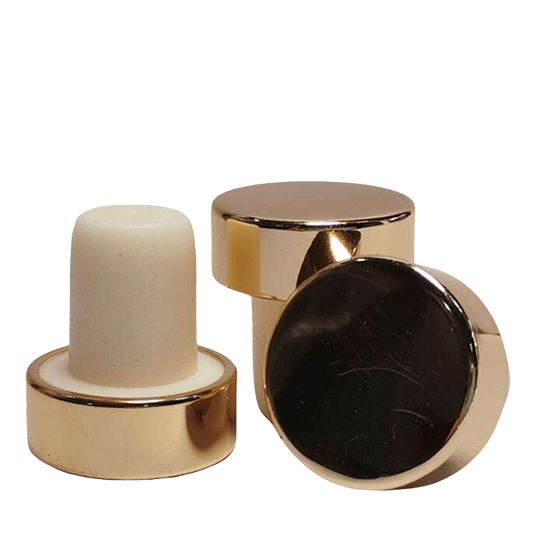
Produit vedette : Bouchon de bouteille de vin
Why the closure matters as much as the bottle
Even the best glass bottle underperforms with a poor closure. Specifying a fitted Bouchon de bouteille de vin ensures consistent compression, minimal oxygen ingress, and the tactile ritual consumers expect when opening a premium product.
3. Premium Brand Perception and Shelf Presence
Spirits compete on emotion as much as on liquid quality. Weight, clarity, light refraction, and the satisfying clink of glass all contribute to a perception of craftsmanship that plastic simply cannot replicate. Studies on consumer behavior consistently show that buyers associate glass packaging with higher quality and are willing to pay more for it.
Custom shapes also reinforce brand identity. A distinctive silhouette — whether a classic flask, a tall slim profile, or a textured decorative bottle — becomes a recognizable asset on a crowded back bar. Plastic struggles to hold sharp embossing, intricate molding, or the optical clarity that makes a bottle look like a collectible.
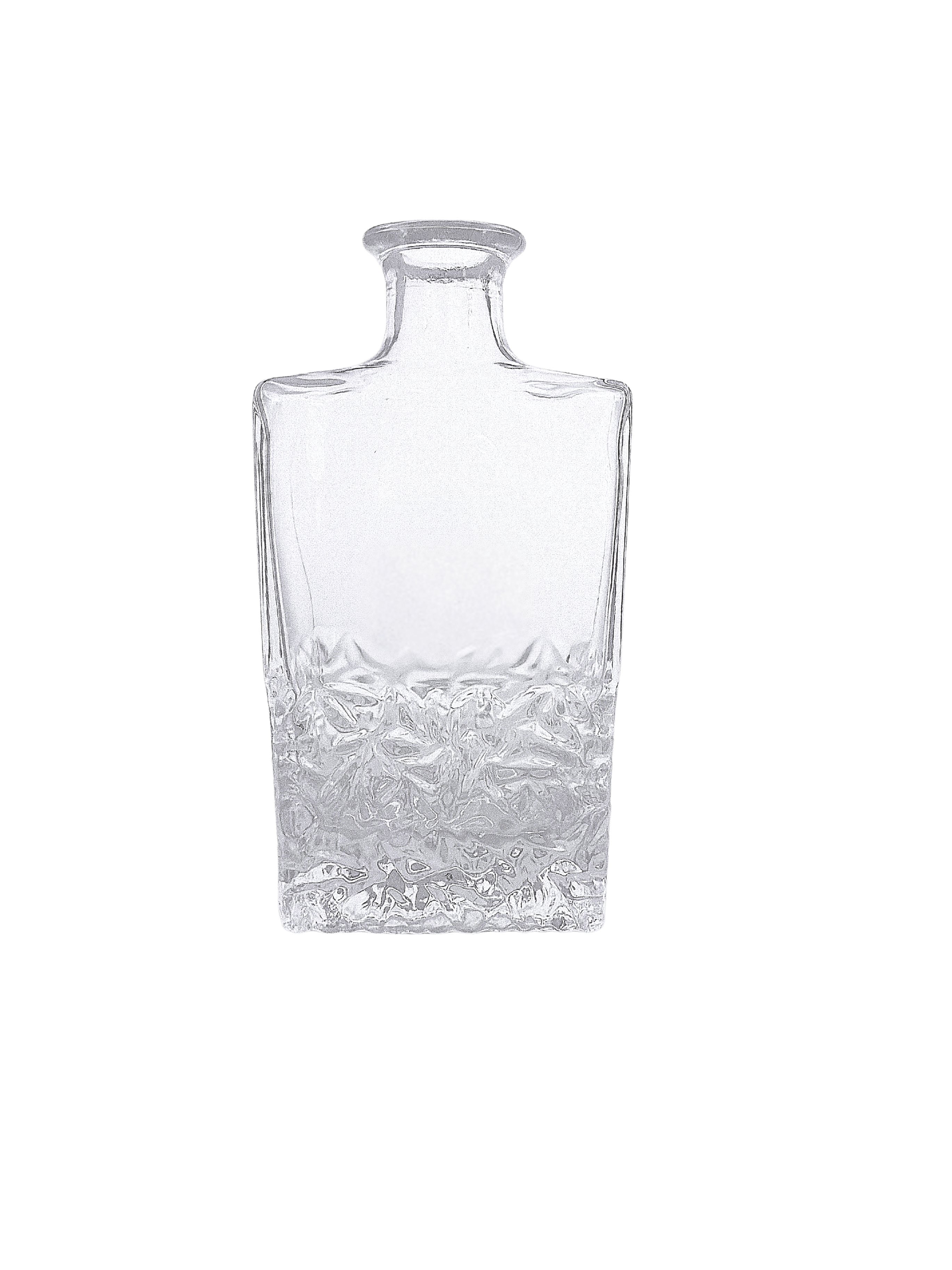
Produit vedette : Wine Flask
A heavy, well-balanced shape like the Wine Flask communicates heritage and intention before the consumer ever pours a glass.
4. UV Protection Options That Plastic Can’t Match
Light is another silent enemy of spirits. UV radiation can break down flavor compounds in clear distillates and fade the natural color of barrel-aged liquors. Glass can be produced in a wide range of tints — amber, antique green, cobalt, and frosted finishes — that filter harmful wavelengths while preserving visual appeal.
Decorative finishes, color overlays, and specialty molded surfaces also let brands signal their category at a glance. A textured or patterned bottle is more than aesthetic; it differentiates the SKU on the shelf and adds tactile cues that reinforce premium pricing.

Produit vedette : Striped Fruit Bottle
Pairing protection with personality
Patterned and textured bottles, like striped or fluted designs, combine functional light diffusion with strong visual identity — useful for fruit liqueurs, infused spirits, and limited editions where shelf differentiation drives sales.
5. Sustainability and Circularity
Plastic bottles dominate landfill statistics, and recycled plastic generally cannot be reused for food-contact applications without downcycling. Glass is fundamentally different: it is 100% recyclable, infinitely, with no loss of quality or purity. A glass bottle melted down today can become a new bottle of identical food-grade quality tomorrow.
For brands building sustainability narratives — and for retailers facing pressure on packaging waste — glass offers a credible, measurable advantage. Increasingly, distributors and on-premise accounts ask for documentation around recyclability and recycled content. Glass makes that conversation straightforward.
The total cost picture
Plastic looks cheaper per unit, but factor in shorter shelf life, weaker brand perception, lower price points at retail, and growing regulatory pressure on single-use plastics, and the math shifts. For any spirit positioned above the value tier, glass is the more economical long-term decision.
Choosing the Right Glass Bottle for Your Spirit
Selecting the right format means matching bottle weight, neck finish, closure type, and color to your liquid, your distribution channels, and your brand story. Heavier base weights signal premium positioning. Standardized neck finishes simplify capping line setup. Tinted glass extends shelf stability for sensitive products.
Work with your packaging supplier early in the development process to align bottle geometry with filling line specs, label panel size, and case-pack dimensions — small decisions that prevent expensive retooling later.
Conclusion
For distillers and beverage brands focused on quality, longevity, and shelf appeal, glass bottles for spirits deliver advantages that plastic cannot replicate: chemical neutrality, superior barrier protection, premium perception, UV control, and genuine recyclability. Whether you are launching a craft gin or scaling a heritage whiskey, choosing glass is choosing the format that protects both the liquid and the brand built around it.
Looking to source premium glass spirits bottles? Browse GlassRock’s spirits bottle range →
Looking to source premium glass spirits bottles? Browse GlassRock’s spirits bottle range →
 English
 French
 Spanish
 Portuguese
 German
 Italian
 Japanese
 Korean
 Arabic
 Russian